No products in the cart.
Instrumentation
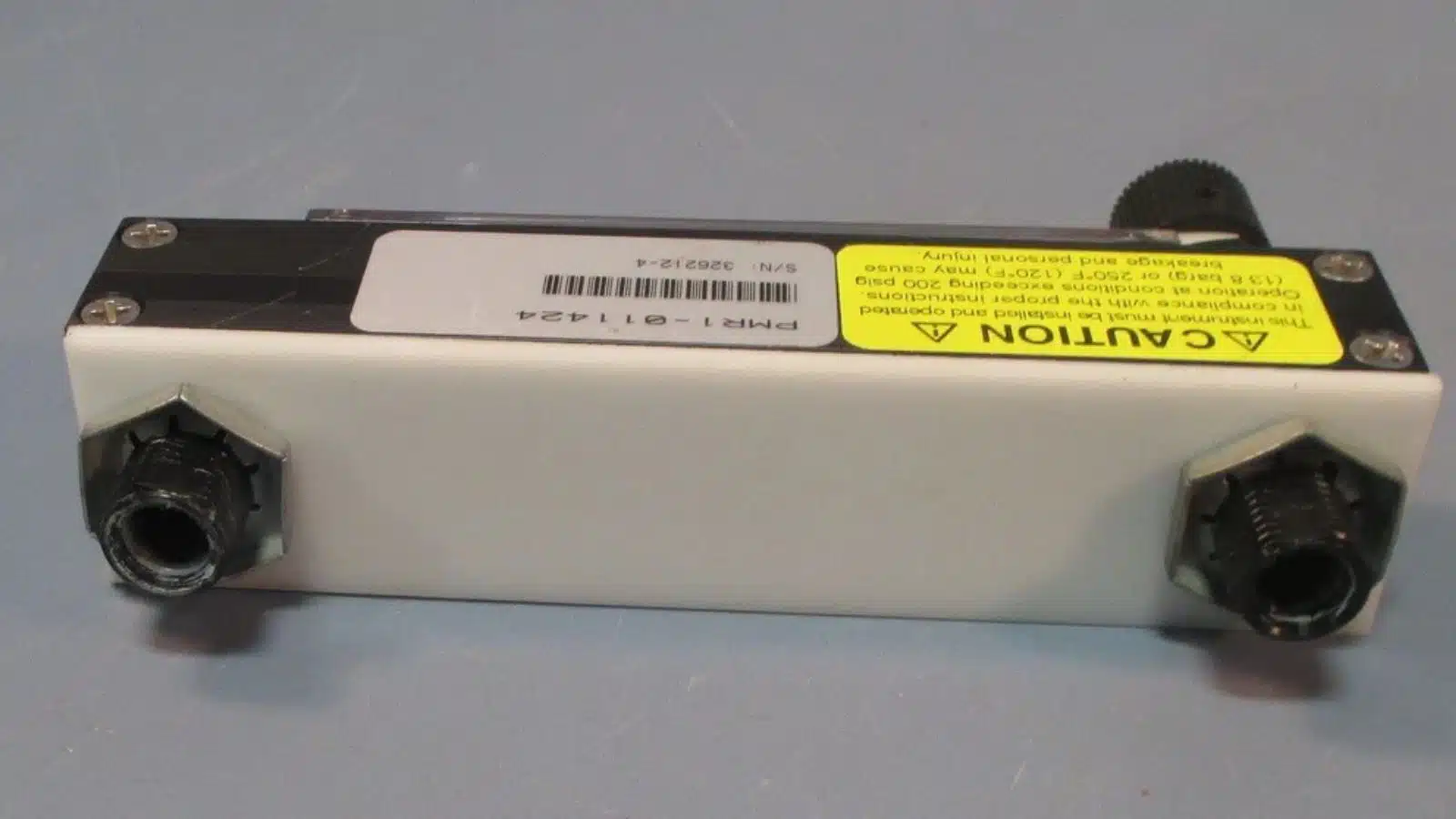
Boost Your Industrial Flow Monitoring Accuracy with Aalborg USA PMR1-013564
Boost Your Industrial Flow Monitoring Accuracy with Aalborg USA PMR1-013564: In today’s fast-paced industrial world,...

+966 59 204 1946
No products in the cart.
In today’s fast-paced industrial landscape, achieving optimal operational efficiency hinges significantly on the reliability and accuracy of your instrumentation. Every process, from manufacturing and energy production to pharmaceuticals and environmental monitoring, relies on precise measurements to maintain quality, ensure safety, and drive profitability. Errors, no matter how small, can cascade into costly downtime, product defects, regulatory non-compliance, and ultimately, a severe hit to your bottom line. At AskA Solution, we understand that mastering Precision Instrumentation Productivity is not merely about having the right tools, but about strategically deploying, maintaining, and integrating them within a robust operational framework.
Precision is the bedrock of modern industrial operations. It dictates the consistency of product quality, the efficiency of resource consumption, and the safety of personnel and equipment. When instruments provide inaccurate data, decision-making becomes flawed, leading to suboptimal process control, increased waste, and unforeseen operational risks. For instance, in a chemical plant, even minor industrial measurement errors in temperature or pressure readings can compromise reaction stability, potentially causing hazardous conditions or producing off-spec batches. Our extensive experience working with diverse industrial clients consistently highlights that investments in metrology importance and proper instrumentation directly correlate with enhanced output and reduced operational expenditures. We see time and again how foundational accurate measurement is to the success of any complex project.
Many businesses mistakenly view instrumentation as a static asset, assuming that once installed, it will continue to perform flawlessly without ongoing attention. Another common misconception is that upgrading instruments is an unnecessary expense, rather than a strategic investment in Precision Instrumentation Productivity. We often encounter clients who believe that “good enough” measurements suffice, only to discover later that minor inaccuracies were quietly eroding their efficiency and profitability over time. Such oversights can lead to a reactive approach to maintenance, where issues are only addressed after a failure has occurred, rather than proactively prevented. Our mission is to dispel these myths and guide our partners toward a proactive, precision-driven approach that maximizes their operational potential.
—
One of the most pervasive and damaging mistakes industrial facilities make is underestimating the absolute necessity of regular instrument calibration. Calibration is not a one-time event; it’s a continuous process of comparing an instrument’s readings against a known standard and making necessary adjustments to ensure accuracy. Neglecting this fundamental step is a direct pathway to industrial measurement errors, compromising the integrity of all data collected and decisions made based on it. We’ve observed facilities experience significant deviations in product quality and resource consumption simply because their critical sensors had drifted outside acceptable tolerances, completely undermining their Precision Instrumentation Productivity. Without a stringent calibration regimen, the trustworthiness of your entire measurement system is in question.
Inaccurate calibration can silently cripple productivity in numerous ways. Imagine a temperature sensor in a critical process where a deviation of just a few degrees can impact product curing times or energy consumption. If this sensor is uncalibrated and reads consistently low, the process might run hotter than intended, wasting energy and potentially degrading product quality, or it might run cooler, increasing batch times and reducing throughput. Similarly, an uncalibrated pressure gauge could lead to over-pressurization of equipment, posing safety risks and accelerating wear, or under-pressurization, hindering optimal performance. These hidden inefficiencies accumulate, directly impacting operational costs, increasing waste, and ultimately diminishing Precision Instrumentation Productivity. The domino effect of a single inaccurate reading can be devastating across an entire production line.
To truly unlock Precision Instrumentation Productivity, implementing a robust and systematic calibration program is non-negotiable. This involves establishing clear schedules, defining responsibilities, and ensuring access to appropriate calibration standards and equipment. We always recommend integrating calibration activities into your computerized maintenance management system (CMMS) to ensure timely execution and comprehensive record-keeping. A well-structured program goes beyond simply checking instruments; it’s about understanding the specific accuracy requirements of each measurement point and tailoring calibration intervals accordingly. For many of our contracting clients, we’ve observed that a proactive calibration strategy leads to significantly fewer unexpected downtimes and a marked improvement in overall process consistency.
Adhering to ISO-compliant calibration standards is crucial for guaranteeing the quality and traceability of your measurements. ISO/IEC 17025, for instance, sets out the general requirements for the competence of testing and calibration laboratories, ensuring that the results produced are accurate, reliable, and legally defensible. By following these international standards, you not only meet regulatory requirements but also enhance the credibility of your processes and products in the global marketplace. We emphasize the value of accredited calibration services, as they provide an independent verification of competence, offering peace of mind and building trust in your quality control measurement systems. Ensuring traceability back to national and international standards is a cornerstone of sound metrology.
Determining the optimal calibration frequency is a critical aspect of effective calibration best practices. It’s not a one-size-fits-all solution; rather, it depends on several factors, including the instrument’s criticality, manufacturer recommendations, environmental conditions, historical drift data, and regulatory requirements. Instruments subjected to harsh environments or frequent usage may require more frequent calibration than those in stable conditions or intermittent use. We often work with clients to analyze their operational data and develop risk-based calibration schedules that optimize maintenance efforts without compromising accuracy or Precision Instrumentation Productivity. This tailored approach ensures resources are allocated effectively, maximizing instrument uptime and reliability.
—
Sensors are the eyes and ears of your industrial processes, constantly feeding data that dictates control actions and operational decisions. However, these critical components are susceptible to drift and degradation over time, often silently, without obvious signs of failure. Sensor drift refers to the gradual deviation of an instrument’s output from its true value, even when measuring a constant input. This phenomenon, if overlooked, leads to a slow, insidious erosion of measurement accuracy, directly contributing to industrial measurement errors and eroding Precision Instrumentation Productivity. Environmental factors, physical stress, and chemical exposure can all contribute to this insidious process, making it a persistent challenge in any industrial setting.
Sensor drift is a silent killer of data accuracy because it doesn’t manifest as a sudden breakdown. Instead, it subtly introduces inaccuracies that can be hard to detect without consistent monitoring and comparison. A temperature sensor that consistently reads 2 degrees lower than actual might cause a heater to over-compensate, consuming excess energy and potentially damaging heat-sensitive materials. Similarly, a flow sensor that drifts could lead to incorrect batch volumes, impacting ingredient ratios and product consistency. These seemingly minor deviations can have significant financial implications over time, leading to increased material waste, energy consumption, and product rework. We’ve seen firsthand how unaddressed sensor drift can undermine even the most sophisticated quality control measurement systems, costing businesses millions annually.
The key to combating sensor drift and degradation is to adopt a proactive approach to sensor monitoring and replacement. This involves not only regular calibration but also continuous performance checks, trend analysis, and a structured replacement strategy based on expected sensor lifespan and operational criticality. Modern process optimization tools often include features for monitoring sensor health and flagging potential drift. By closely tracking sensor performance, facilities can anticipate when a sensor is likely to become unreliable before it causes significant problems. This forward-thinking strategy is fundamental to maintaining high levels of Precision Instrumentation Productivity and data integrity.
Predictive maintenance strategies are invaluable in identifying and addressing potential sensor issues before they escalate into costly failures. By leveraging advanced analytics and industrial IoT solutions, data from sensors can be continuously analyzed for anomalies, trends, and deviations from normal operating parameters. For example, a sudden increase in noise in a signal, or a consistent deviation from historical averages, could indicate impending sensor failure or significant drift. We help our clients implement condition-based monitoring systems that trigger alerts when specific thresholds are crossed, allowing maintenance teams to schedule interventions proactively. This not only prevents unexpected downtime but also optimizes maintenance schedules, extending the useful life of assets and ensuring consistent sensor accuracy improvement.
Environmental factors play a significant role in accelerating sensor degradation and influencing their operational lifespan. Exposure to extreme temperatures, high humidity, corrosive chemicals, vibration, and electromagnetic interference can all compromise sensor integrity and lead to premature failure or increased drift. Understanding these environmental impacts is crucial for selecting appropriate sensors and implementing protective measures. For instance, using explosion-proof enclosures in hazardous areas or selecting sensors with specific material coatings for corrosive environments can dramatically extend their reliability. Our multi-disciplinary team often conducts site assessments to identify potential environmental stressors and recommend robust solutions, ensuring sustained sensor accuracy improvement even in challenging conditions.
—
In the era of big data and real-time insights, continuing to rely on manual data collection and analysis methods is a major impediment to Precision Instrumentation Productivity. Traditional pen-and-paper logging, manual meter readings, and spreadsheet-based analysis are not only prone to human error but are also inherently inefficient, time-consuming, and incapable of providing the immediate, actionable insights required for agile decision-making. This outdated approach creates significant delays in identifying performance anomalies, optimizing processes, and responding to changing conditions, thereby directly impacting overall operational efficiency.
The inefficiencies of analog processes are manifold. Manual data entry is a common source of industrial measurement errors, from transposition mistakes to misinterpretation of readings. Data collected manually is often sporadic, lacking the continuous flow necessary for accurate trend analysis or precise process control. Furthermore, the time lag between data collection, entry, and analysis means that critical information may not be available when it’s most needed, leading to reactive rather than proactive management. We’ve observed facilities where production issues went unaddressed for hours, even days, simply because the manual data collection cycle was too slow to flag the problem in real-time, significantly hindering their process optimization tools utilization.
To overcome the limitations of manual processes, embracing automated data collection systems is paramount for boosting Precision Instrumentation Productivity. These systems collect data directly from instruments, eliminating human error, providing continuous monitoring, and making data available instantly for analysis. This shift allows for real-time visibility into operations, enabling immediate adjustments, faster problem-solving, and more informed decision-making. Automated systems form the backbone of modern industrial control, transforming raw data into valuable operational intelligence. We guide our clients through the selection and implementation of these powerful systems, ensuring a seamless transition and immediate benefits.
Integrating Supervisory Control and Data Acquisition (SCADA) and Distributed Control Systems (DCS) offers immense benefits for automated data collection and process control. SCADA systems are ideal for large-scale, geographically dispersed operations, providing centralized monitoring and control over various instruments and processes. DCS, on the other hand, excels in complex, continuous processes within a single facility, offering robust, redundant control with high reliability. Both systems facilitate real-time data acquisition, alarm management, historical trending, and advanced control algorithms. Their integration ensures a holistic view of operations, significantly enhancing Precision Instrumentation Productivity and enabling sophisticated process optimization tools. We routinely assist businesses in leveraging these powerful platforms to streamline their most critical operations.
The rise of the Industrial Internet of Things (IIoT) has revolutionized automated data collection and the generation of real-time insights. By deploying smart sensors and devices connected to a network, IIoT solutions enable ubiquitous data collection from virtually every point in an industrial process. This vast amount of data can then be analyzed using cloud-based platforms and artificial intelligence to identify patterns, predict failures, and optimize performance in ways previously unimaginable. Industrial IoT solutions provide unparalleled transparency, allowing for granular control and optimization, driving unprecedented levels of Precision Instrumentation Productivity. We specialize in designing and implementing bespoke IIoT architectures that provide our clients with a competitive edge, turning raw data into actionable intelligence across their multi-disciplinary operations.
—
The operational environment profoundly impacts instrument performance, accuracy, and lifespan. Failing to adequately address environmental control for instruments is a significant mistake that can lead to rampant industrial measurement errors, premature equipment degradation, and compromised Precision Instrumentation Productivity. Factors such as temperature fluctuations, excessive humidity, dust, vibration, and electromagnetic interference can all directly skew readings and accelerate the wear and tear of sensitive components. Ignoring these external influences is akin to running a race with tied shoelaces – you’re unnecessarily hindering your performance.
Temperature variations can cause thermal expansion or contraction in sensor components, leading to drift in readings. For example, a pressure transducer calibrated at 20°C might provide inaccurate readings if the ambient temperature shifts significantly. High humidity can lead to condensation, corrosion, and electrical shorts, particularly in non-hermetically sealed instruments, directly affecting their reliability and sensor accuracy improvement. Vibration, a common occurrence in many industrial settings, can cause mechanical stress, loosening connections, accelerating wear on moving parts, and introducing noise into electrical signals. Each of these factors, individually or in combination, can introduce significant industrial measurement errors, making it impossible to achieve consistent quality control measurement.
Optimizing the operational environment is a critical step in preserving instrument accuracy and extending their service life. This involves a comprehensive assessment of the environmental conditions at each instrument’s location and implementing targeted solutions to mitigate adverse effects. Strategic placement of instruments, shielding from direct heat sources, and isolating them from vibration-prone machinery are fundamental starting points. Beyond these passive measures, active environmental control for instruments through climate control and vibration dampening techniques is often necessary to safeguard sensitive equipment and maintain Precision Instrumentation Productivity. Our engineers frequently conduct detailed environmental impact assessments to identify and rectify such issues.
Implementing climate control solutions is essential for instruments that are sensitive to temperature and humidity. This can range from localized enclosures with dedicated heating, ventilation, and air conditioning (HVAC) systems to facility-wide climate-controlled rooms for calibration labs or critical control equipment. Maintaining a stable temperature and humidity within the instrument’s specified operating range minimizes thermal drift and prevents moisture-related damage. Such controlled environments are vital for ensuring consistent sensor accuracy improvement and extending the lifespan of valuable instrumentation. We’ve helped numerous clients design and install bespoke climate control solutions, leading to measurable improvements in their quality control measurement capabilities.
Vibration isolation and robust mounting practices are crucial for instruments installed in areas with significant mechanical disturbances. This involves using vibration-dampening materials, spring isolators, or pneumatic mounts to decouple the instrument from vibrating machinery or structural elements. Proper mounting ensures that the instrument is securely fastened and less susceptible to external forces that could introduce noise into readings or cause physical damage. Consulting with our structural and instrumentation experts ensures that the mounting solutions are tailored to the specific instrument type and the prevailing vibration profile of the operational environment, thereby guaranteeing optimal sensor accuracy improvement and prolonging equipment life. This attention to detail is paramount for maintaining Precision Instrumentation Productivity.
—
Even the most advanced instrumentation systems are only as effective as the people who operate and maintain them. A significant mistake that many companies make is providing inadequate workforce training instrumentation to their personnel. This oversight creates a knowledge gap, leading to improper instrument usage, incorrect interpretation of readings, and an inability to perform routine maintenance or troubleshooting effectively. The human factor, when not properly developed, becomes a bottleneck to Precision Instrumentation Productivity and a source of avoidable industrial measurement errors. We often find that a lack of proper training is a root cause for many persistent operational issues our clients face.
The human factor is a pervasive element in industrial measurement errors. Personnel lacking adequate training may use instruments outside their specified range, misinterpret complex readings, or fail to follow critical operating procedures. They might not recognize signs of impending instrument failure or perform incorrect calibration adjustments, inadvertently introducing new errors. Furthermore, a lack of understanding of the underlying principles of measurement can prevent them from effectively diagnosing problems or optimizing instrument performance. This directly impacts quality control measurement efforts and can lead to costly mistakes. Our observations confirm that a well-trained workforce is the first line of defense against operational inconsistencies.
To mitigate the risks associated with the human factor, investing in comprehensive workforce training instrumentation is essential. This involves developing structured training programs that cover instrument operation, maintenance, troubleshooting, and safety protocols. Continuous learning opportunities are vital to keep personnel updated with evolving technologies and best practices. A skilled and knowledgeable workforce is empowered to utilize instruments to their full potential, identify and rectify issues promptly, and contribute actively to enhancing Precision Instrumentation Productivity. We advocate for a multi-faceted training approach that combines theoretical knowledge with practical, hands-on experience, significantly reducing the occurrence of industrial measurement errors.
Encouraging participation in industry-recognized certification programs significantly elevates the competence of instrumentation personnel. Certifications validate their skills and knowledge against established industry standards, ensuring a baseline level of proficiency. Beyond initial certification, fostering a culture of continuous learning is crucial. This includes regular refresher courses, workshops on new technologies, and access to online learning resources. As industrial IoT solutions and advanced process optimization tools become more prevalent, ongoing education ensures that your team remains adept at leveraging these innovations for sustained Precision Instrumentation Productivity. We support clients in identifying and implementing robust training matrices that align with their operational goals and technological roadmap.
Theoretical knowledge alone is often insufficient. Hands-on training, particularly for new and complex instrumentation technologies, is indispensable. This practical experience allows personnel to interact directly with instruments, practice troubleshooting scenarios in a controlled environment, and build confidence in their operational capabilities. Simulation tools and dedicated training labs can provide safe and effective platforms for learning without impacting live production. When new industrial IoT solutions or advanced sensors are introduced, we emphasize immersive, practical training to ensure quick adoption and efficient utilization, directly contributing to sensor accuracy improvement and preventing user-induced industrial measurement errors. Our tailored training modules are designed to bridge the gap between theory and practical application.
—
A fundamental mistake that can severely hinder Precision Instrumentation Productivity is the selection of an instrument that is ill-suited for its intended application. This isn’t merely about buying an expensive instrument when a cheaper one would suffice; it’s about mismatching the instrument’s capabilities, accuracy, range, and environmental resilience with the specific requirements of the process. An instrument that is either over-specified or under-specified for the task will invariably lead to suboptimal performance, unreliable data, and increased operational costs. We consistently encounter scenarios where a basic misunderstanding of metrology importance leads to poor instrument selection.
Mismatching tools to tasks is a costly error in several dimensions. An under-specified instrument may lack the necessary accuracy or resolution for a critical measurement, leading to industrial measurement errors that compromise product quality or safety. It might also fail prematurely if exposed to conditions beyond its design limits. Conversely, an over-specified instrument, while accurate, represents an unnecessary capital expense and might be more complex to operate and maintain, adding to operational overhead without providing proportional benefits to Precision Instrumentation Productivity. This inefficiency in resource allocation is a direct drain on profitability and a sign of neglecting proper planning.
To avoid the pitfalls of incorrect instrument selection, it is imperative to conduct thorough needs assessments. This involves a detailed analysis of the measurement requirements, including the desired accuracy, precision, range, response time, and environmental conditions of the application. Consideration must also be given to the material compatibility, regulatory compliance, and ease of integration with existing systems. A comprehensive needs assessment ensures that the chosen instrument is perfectly aligned with the technical and operational demands, thereby maximizing its contribution to Precision Instrumentation Productivity and minimizing future problems. We provide expert consultation to guide clients through this critical decision-making process.
A key component of the needs assessment is a deep understanding of the required measurement ranges and accuracy. For example, a flow meter designed for high-volume, low-accuracy applications will be completely unsuitable for measuring precise ingredient dosages in a pharmaceutical process. Similarly, specifying an instrument with 0.01% accuracy when 1% is more than adequate for the application represents an overinvestment that doesn’t yield additional value. Precise definition of these parameters helps in narrowing down instrument choices to those that offer the optimal balance of performance and cost-effectiveness, ensuring that quality control measurement is both effective and efficient. This attention to detail is central to effective metrology importance.
For complex or highly critical applications, consulting with instrumentation experts is invaluable. Specialists possess the in-depth knowledge of various instrument technologies, their limitations, and their suitability for specific industrial environments. They can provide unbiased recommendations, help navigate the vast array of available products, and ensure that the selected instrument meets all technical and regulatory requirements. At AskA Solution, our engineers regularly collaborate with clients to analyze their unique operational challenges and recommend tailored solutions that guarantee optimal sensor accuracy improvement and long-term Precision Instrumentation Productivity. Leveraging this expertise minimizes risks and optimizes investment in critical instrumentation.
—
In an industrial world driven by continuous innovation, operating with outdated instrumentation technology is a significant impediment to Precision Instrumentation Productivity. Legacy systems often lack the accuracy, speed, communication capabilities, and diagnostic features of modern equipment. This performance gap translates directly into missed opportunities for process optimization tools, increased maintenance burdens, higher energy consumption, and a competitive disadvantage. While initial investment in older technology might seem cost-effective, the long-term operational expenses and lost productivity quickly outweigh any perceived savings.
Legacy instrumentation systems inherently suffer from a performance gap compared to their modern counterparts. Older sensors may have lower accuracy, slower response times, and a higher susceptibility to drift, contributing significantly to industrial measurement errors. Analog outputs require more complex interfaces and are less immune to noise, contrasting sharply with the robust digital communication protocols of new instruments. Furthermore, older systems often lack advanced self-diagnostic capabilities, making troubleshooting more time-consuming and increasing the risk of unexpected failures. This translates into less reliable data, slower decision-making, and an inability to fully leverage advanced process optimization tools for Precision Instrumentation Productivity.
To bridge the performance gap and maintain a competitive edge, strategic technology upgrades and modernization are crucial. This involves systematically evaluating existing instrumentation, identifying outdated or underperforming assets, and planning for their replacement with modern equivalents. Prioritizing upgrades based on criticality, age, and maintenance burden ensures that investments yield the greatest impact on Precision Instrumentation Productivity. Embracing new technologies such as industrial IoT solutions and smart sensors can provide unparalleled insights and control, transforming operational efficiency. We partner with clients to develop comprehensive modernization roadmaps, ensuring a smooth transition with minimal disruption.
Any investment in new instrumentation technology should be preceded by a thorough Return on Investment (ROI) analysis. This analysis should consider not only the upfront capital cost but also the long-term benefits, such as reduced maintenance expenses, improved product quality, decreased energy consumption, enhanced safety, and increased throughput. Quantifying these benefits helps to build a strong business case for modernization, demonstrating how new instruments contribute directly to Precision Instrumentation Productivity and profitability. For example, a new instrument offering sensor accuracy improvement and real-time data might significantly reduce material waste, quickly offsetting its initial cost. Our experts assist in performing these critical financial analyses.
Implementing new instrumentation technology can be a complex undertaking, and minimizing downtime during the transition is a primary concern. Phased implementation strategies are often the most effective approach. This involves replacing instruments or upgrading systems in stages, allowing for careful testing and integration at each step, rather than attempting a wholesale change all at once. For critical systems, parallel operation of old and new instruments for a validation period can further reduce risks. This methodical approach ensures a smooth transition, preserves operational continuity, and quickly unlocks the full potential of advanced process optimization tools for sustained Precision Instrumentation Productivity. We specialize in managing these complex transitions, ensuring a seamless upgrade path.
—
In many industrial environments, data remains siloed within individual systems or departments, hindering a holistic view of operations and severely limiting Precision Instrumentation Productivity. Instruments might feed data into local control loops, but that information rarely makes its way to enterprise resource planning (ERP) systems, quality management systems (QMS), or even other operational departments. This lack of integration creates islands of information, preventing comprehensive analysis, impeding cross-departmental collaboration, and obscuring critical insights into overall performance. The absence of unified data platforms is a major barrier to true process optimization tools utilization.
Siloed data is a stealthy saboteur of Precision Instrumentation Productivity. When production data, maintenance records, quality control measurements, and supply chain information reside in separate, unconnected databases, it becomes nearly impossible to identify the intricate relationships and correlations that drive overall efficiency. For example, production slowdowns might be linked to specific instrument calibration issues, but without integrated data, this connection remains hidden. This fragmented view prevents effective root cause analysis, delays problem-solving, and hinders strategic decision-making. We often find that breaking down these data silos is one of the quickest ways for clients to uncover significant opportunities for process optimization tools.
“The true power of industrial data isn’t in its volume, but in its interconnectedness. Integrated systems transform raw numbers into a symphony of actionable intelligence, revealing hidden efficiencies and unlocking unprecedented levels of productivity.” – Dr. Elena Petrova, Lead Systems Architect
To achieve optimal Precision Instrumentation Productivity, implementing unified data platforms is essential. These platforms act as central repositories, consolidating data from all instruments, control systems, and enterprise applications. By providing a single source of truth, unified platforms enable comprehensive analysis, real-time dashboards, and advanced reporting across all operational domains. This integration facilitates a more holistic understanding of performance, allowing for proactive adjustments and strategic improvements. Leveraging industrial IoT solutions with robust communication protocols is a cornerstone of building these powerful, integrated environments. Our expertise lies in designing and deploying these interconnected systems for enhanced operational visibility.
Centralized monitoring and control systems, often built around SCADA or DCS architectures, are foundational to unified data platforms. They gather data from thousands of measurement points, providing operators with a single interface to monitor process variables, manage alarms, and execute control actions across the entire facility. This centralization not only enhances operational efficiency but also improves safety by providing a comprehensive overview of critical parameters. Such systems are vital for leveraging the full potential of automated data collection and ensuring consistent quality control measurement. We help clients architect and deploy these powerful systems, transforming their ability to manage complex operations.
Unified data platforms significantly enhance cross-departmental collaboration by providing all stakeholders with access to consistent, real-time information. Production managers can instantly see quality control data, maintenance teams can anticipate equipment needs based on operational parameters, and executive leadership gains insights into overall plant performance. This shared visibility fosters a collaborative environment where departments can work together more effectively to identify and resolve issues, optimize processes, and drive collective Precision Instrumentation Productivity. Our solutions are designed to break down organizational silos, enabling a truly integrated and responsive operational ecosystem, where metrology importance is understood across the board.
—
In an increasingly digital industrial landscape, ignoring software and firmware updates for smart instruments and control systems is a critical mistake that undermines Precision Instrumentation Productivity. Just like consumer electronics, industrial software and firmware require regular updates to patch security vulnerabilities, fix bugs, improve performance, and introduce new features. Neglecting these updates leaves systems exposed to cyber threats, can lead to operational instabilities, and prevents access to the latest enhancements in process optimization tools. This oversight is particularly concerning given the growing interconnectedness of industrial IoT solutions.
Operating with outdated software and firmware carries significant risks. Unpatched vulnerabilities can be exploited by malicious actors, leading to cyberattacks that disrupt operations, compromise data integrity, or even cause physical damage to industrial assets. Beyond security, outdated versions may contain bugs that cause erratic behavior, provide inaccurate readings, or lead to system crashes, directly contributing to industrial measurement errors. Furthermore, performance enhancements and new functionalities, which could significantly boost Precision Instrumentation Productivity and sensor accuracy improvement, remain inaccessible. This neglect creates an unnecessary operational burden and introduces preventable risks.
To safeguard digital assets and ensure optimal performance, regular maintenance of software and firmware components is essential. This involves establishing a clear schedule for checking and applying updates, performing thorough testing after each update, and maintaining strict version control. It’s not just about the instruments themselves; it extends to the operating systems, applications, and network components that support them. A proactive approach to digital maintenance is as critical as physical maintenance for maintaining high levels of Precision Instrumentation Productivity and system resilience. We assist our clients in developing robust digital asset management strategies.
Scheduled firmware updates are particularly important for smart instruments, which increasingly incorporate advanced processing capabilities and network connectivity. Firmware updates can enhance their accuracy, improve communication protocols, add new diagnostic features, and patch security flaws specific to the device. Integrating these updates into a routine maintenance schedule, perhaps during planned downtime, ensures that instruments are always operating with the most stable and feature-rich software available, thereby maximizing sensor accuracy improvement and preventing the accumulation of industrial measurement errors. We advise on best practices for safe and efficient firmware deployment.
With the increasing integration of industrial IoT solutions and automated data collection, robust cybersecurity protocols for industrial control systems (ICS) are non-negotiable. This goes beyond just firmware updates; it encompasses network segmentation, strong access controls, intrusion detection systems, regular security audits, and comprehensive incident response plans. Protecting critical infrastructure from cyber threats is paramount for maintaining operational continuity, data integrity, and safety. Our cybersecurity experts work with clients to design and implement multi-layered defense strategies that shield their process optimization tools and instrumentation from evolving threats, ensuring the continuous Precision Instrumentation Productivity of their systems.
—
A glaring mistake that undermines Precision Instrumentation Productivity and introduces widespread industrial measurement errors is the absence of clear, well-documented Standard Operating Procedures (SOPs). Without standardized guidelines for instrument operation, calibration, maintenance, and data interpretation, personnel are left to their own devices, leading to inconsistent practices, varying levels of quality, and an increased risk of mistakes. This lack of standardization creates an unpredictable environment where achieving consistent quality control measurement becomes an uphill battle.
Inconsistent practices inevitably lead to inconsistent results. If different operators perform the same measurement task using slightly different methods, the data collected will vary, making it difficult to draw reliable conclusions or maintain product consistency. Similarly, a lack of standardized maintenance procedures can result in overlooked critical steps, leading to premature instrument failure or reduced sensor accuracy improvement. These variances undermine the very purpose of instrumentation, which is to provide reliable and repeatable data. We have consistently observed that facilities with robust SOPs experience significantly fewer operational discrepancies and higher Precision Instrumentation Productivity.
To combat inconsistency and enhance Precision Instrumentation Productivity, developing and rigorously enforcing clear, comprehensive SOPs is essential. These documents should provide step-by-step instructions for every task involving instrumentation, from initial setup and calibration to routine checks and emergency procedures. SOPs serve as a foundational guide for workforce training instrumentation, ensuring that all personnel perform tasks uniformly and correctly. Regular reviews and updates of SOPs are also crucial to incorporate new technologies, lessons learned, and evolving best practices, further reinforcing quality control measurement efforts. We assist clients in drafting and implementing these vital procedural documents.
Standardization of all measurement and testing methods is a core component of effective SOPs. This means defining precise parameters for how measurements are taken, what equipment is used, the environmental conditions required, and how data is recorded and interpreted. For instance, an SOP for a pH meter might specify the calibration buffer solutions to be used, the temperature stabilization period, and the acceptable range for readings. Such detail minimizes ambiguity and ensures repeatability, significantly reducing industrial measurement errors and improving overall sensor accuracy improvement. This dedication to method standardization is a hallmark of robust metrology importance.
Effective SOP management requires robust documentation and version control. All SOPs should be easily accessible to relevant personnel, clearly labeled with their latest version number, and have a clear revision history. A system for reviewing and updating SOPs at regular intervals, or in response to changes in equipment or processes, is also critical. This ensures that personnel always refer to the most current and accurate instructions, preventing the use of outdated or incorrect procedures. Our solutions include digital platforms for SOP management, ensuring that your workforce training instrumentation and operational guidelines are always current, consistent, and contribute to unwavering Precision Instrumentation Productivity.
—
Achieving and sustaining Precision Instrumentation Productivity is a multifaceted endeavor that demands vigilance, strategic investment, and a commitment to continuous improvement. By proactively addressing common mistakes such as neglecting calibration, overlooking sensor drift, relying on manual data, ignoring environmental control, and under-investing in training, organizations can significantly elevate their operational efficiency and product quality. Embracing automated systems, modern technologies, integrated data platforms, and robust SOPs are not just best practices; they are essential strategies for thriving in today’s competitive industrial landscape. We, at AskA Solution, have seen how these concerted efforts lead to substantial reductions in industrial measurement errors and notable enhancements in overall output and profitability. Mastering the precision of your instrumentation is not merely about avoiding pitfalls, but about consistently optimizing every facet of your operations for unparalleled success.
To truly master industrial excellence, focus on these critical areas:
—
Q1: How frequently should industrial instruments be calibrated?
A1: Calibration frequency depends on several factors, including the instrument’s criticality, manufacturer recommendations, historical drift data, usage patterns, and the operating environment. Critical instruments in harsh conditions may require monthly or quarterly calibration, while less critical ones in stable environments might be annually. A risk-based approach, often guided by calibration best practices and expert consultation, is recommended to determine optimal schedules and ensure sensor accuracy improvement.
Q2: What are the biggest risks of neglecting regular instrument maintenance?
A2: Neglecting regular instrument maintenance leads to numerous risks, including increased industrial measurement errors, decreased product quality, regulatory non-compliance, higher energy consumption, increased operational costs due to rework and waste, and a greater likelihood of unexpected downtime. Ultimately, it significantly diminishes Precision Instrumentation Productivity and can compromise safety.
Q3: How can Industrial IoT (IIoT) solutions improve precision instrumentation?
A3: Industrial IoT solutions enhance precision instrumentation by enabling automated data collection from a vast network of smart sensors and devices. This allows for real-time monitoring, advanced analytics, predictive maintenance strategies for sensors, and seamless integration with control systems. IIoT provides unprecedented visibility into processes, leading to significant process optimization tools and sensor accuracy improvement.
Q4: Is it always necessary to upgrade to the latest instrumentation technology?
A4: Not always. While modern instrumentation often offers superior accuracy and features, the decision to upgrade should be based on a thorough ROI analysis. Consider the performance gap of your legacy systems, the potential for Precision Instrumentation Productivity gains, and the costs associated with maintaining older equipment. Strategic, phased upgrades focusing on critical areas often provide the best balance of investment and benefit.
Q5: What role does workforce training play in preventing instrumentation mistakes?
A5: Workforce training instrumentation is crucial because the human element is often a source of industrial measurement errors. Comprehensive training ensures personnel understand proper instrument operation, calibration, troubleshooting, and data interpretation. It empowers them to use process optimization tools effectively and adhere to quality control measurement standards, directly boosting Precision Instrumentation Productivity. Continuous learning keeps skills current with evolving technologies.
Q6: What is the significance of “metrology importance” in industrial settings?
A6: Metrology importance refers to the science of measurement and its critical role in ensuring accuracy and reliability across all industrial processes. It underpins quality control measurement, product consistency, regulatory compliance, and process efficiency. Understanding and valuing metrology ensures that instrument selection, calibration, and data interpretation are all handled with the precision necessary to achieve high levels of Precision Instrumentation Productivity.
Don’t forget to share it
Related Articles
Boost Your Industrial Flow Monitoring Accuracy with Aalborg USA PMR1-013564

Workplace H₂S Protection with Honeywell BWC2-H BW Clip

How the KITAGAWA AP-20 Enhances Workplace Air Quality Monitoring

A Comprehensive Guide to KITAGAWA Gas Detector Tubes

A Complete Review of the Werther Silent Air Compressor
Unlocking Peak Performance: The Power of Precision Tools
We have received your inquiry and our team will review your requested items and get back to you as soon as possible.