No products in the cart.
Instrumentation
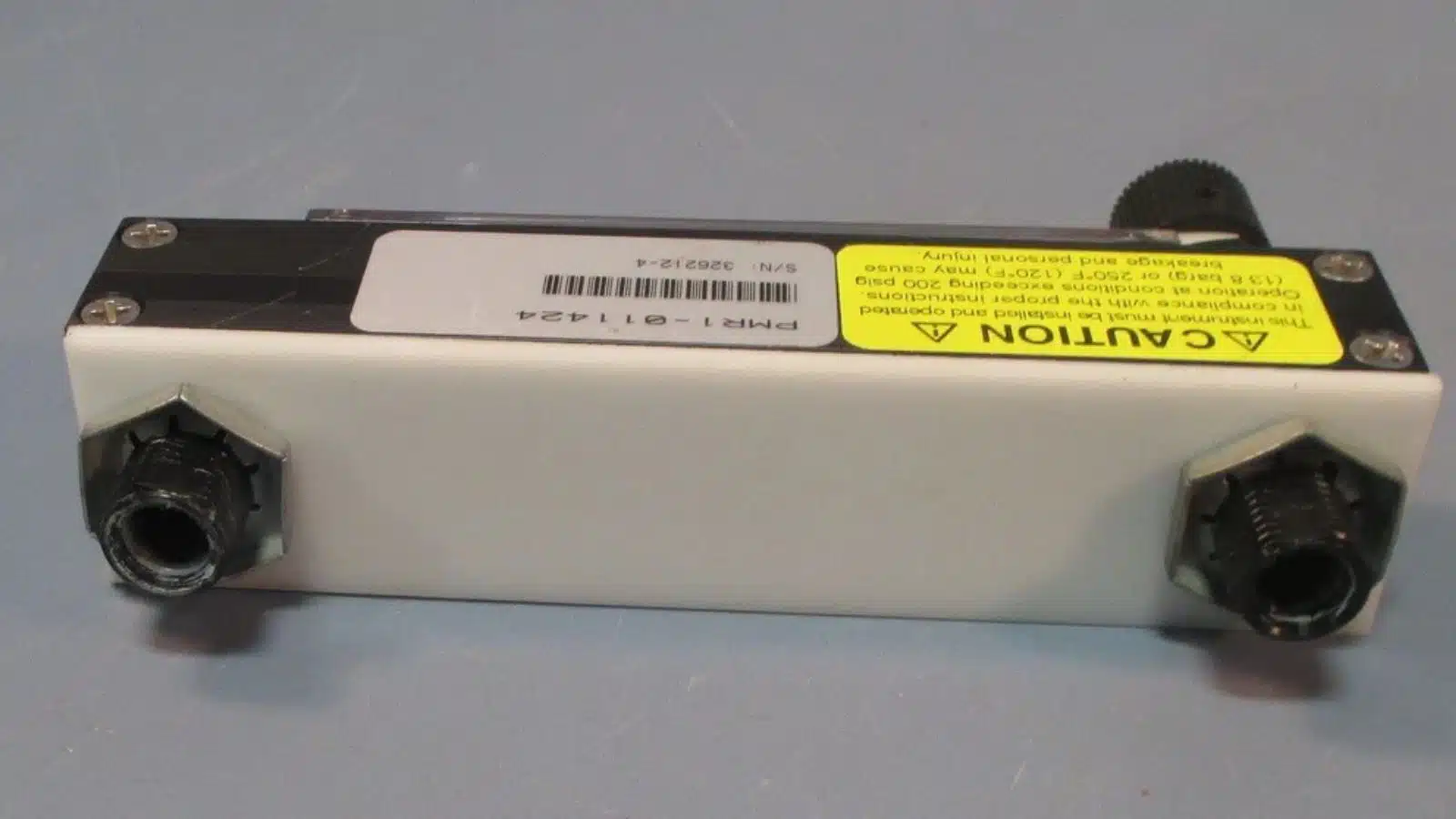
Boost Your Industrial Flow Monitoring Accuracy with Aalborg USA PMR1-013564
Boost Your Industrial Flow Monitoring Accuracy with Aalborg USA PMR1-013564: In today’s fast-paced industrial world,...

+966 59 204 1946
No products in the cart.
The modern industrial landscape is a complex tapestry woven with threads of efficiency, reliability, and quality. In this intricate environment, the subtle nuances of operation often dictate the difference between success and struggle. Many organizations operate under the assumption that their current measurement capabilities are “good enough,” only to find themselves perpetually battling unforeseen costs, inconsistent output, and a gnawing sense that they could be doing better. This silent struggle against imprecision is a significant barrier to unlocking true operational excellence and achieving competitive advantage.
Our journey with clients across diverse sectors has repeatedly shown us that the benchmarks for “good enough” are constantly shifting, pushed higher by technological advancements and market demands. What sufficed yesterday often falls short today. The insidious nature of imprecision is that its costs are frequently hidden, manifesting as wasted materials, excessive energy consumption, increased rework, or even product recalls that erode customer trust and brand reputation. Businesses inadvertently absorb these costs, mistaking them for unavoidable operational expenses rather than symptoms of a solvable problem. It’s a cycle that prevents true industrial process optimization and stunts growth.
In our extensive service experience, we’ve observed that many industrial processes operate with a foundational layer of imprecision that is often tolerated or simply not recognized. This isn’t necessarily due to a lack of effort, but often a lack of awareness regarding the true impact of minor inaccuracies compounding over time. The machinery might be running, products might be leaving the facility, but beneath the surface, inefficiencies are eroding profitability and hindering potential for innovation. This struggle is particularly pronounced in environments where legacy systems meet modern demands, creating a gap that “good enough” solutions can no longer bridge.
We understand the pressures businesses face to maintain production while simultaneously looking for avenues of improvement. However, without a clear and accurate understanding of process variables, improvements become guesswork, and optimizations are based on incomplete or flawed data. This creates a ceiling on performance, preventing organizations from reaching their full potential. The silent struggle isn’t just about a few misplaced decimal points; it’s about a fundamental misalignment between perceived operational health and actual performance, which ultimately impacts every facet of a business, from raw material intake to final product delivery.
The immediate consequence of imprecision is often shrugged off as negligible deviation. However, when these small errors accumulate across thousands of cycles, products, or hours of operation, they morph into substantial, unseen costs. Consider a manufacturing line where a temperature sensor is consistently off by just half a degree, or a pressure gauge reads slightly high. Over time, this can lead to subtle variations in product quality, requiring more rigorous inspection, leading to higher scrap rates, or even necessitating costly rework. These aren’t just isolated incidents; they’re systemic drains on resources.
For instance, a client in the food processing industry once approached us, perplexed by persistent variations in their batch consistency despite following their recipes to the letter. Upon investigation, we discovered their existing accurate measurement tools for ingredient weight and temperature were slightly out of calibration. This seemingly minor imprecision led to an average 5% increase in ingredient usage per batch, and a 10% increase in batches failing initial quality control checks. These weren’t line-stopping failures, but they chipped away at margins daily, silently inflating operational expenses and delaying production cycles, ultimately impacting their efficiency gains.
The challenges posed by imprecision are significant, but they are not insurmountable. The solution lies in a proactive embrace of exactitude, moving beyond the complacency of “good enough” to the strategic advantage of “precisely right.” This shift is powered by a commitment to Precision Instrumentation—a suite of advanced technologies designed to measure, monitor, and control industrial processes with unparalleled accuracy and reliability. It’s about empowering businesses with the data and control necessary to make informed decisions, optimize workflows, and consistently achieve desired outcomes.
The promise of exactitude offered by Precision Instrumentation is not merely about achieving tighter tolerances; it’s about transforming the fundamental way an operation functions. It opens the door to truly data-driven decision-making, enabling real-time adjustments and predictive capabilities that were once aspirational. By integrating these sophisticated tools, companies can move from reactive problem-solving to proactive optimization, unlocking new levels of performance, reducing waste, and enhancing the overall quality of their products and services. This is where true operational excellence begins to take shape.
At its core, Precision Instrumentation refers to the specialized tools, devices, and systems engineered to measure and control physical quantities with extremely high accuracy, repeatability, and resolution. These instruments are designed to minimize errors, providing reliable data that reflects the true state of a process or system. Unlike general-purpose gauges or sensors that offer acceptable readings for broad applications, Precision Instrumentation is calibrated to exacting standards, often with traceability to national or international measurement standards. This ensures that the data they provide is not just a reading, but a trustworthy foundation for critical decisions.
In our work, we often explain Precision Instrumentation as the nervous system of modern industrial operations. Just as the human nervous system provides incredibly precise feedback loops for complex actions, these instruments provide the critical data streams that allow process automation systems to operate effectively. They are the bedrock upon which quality control initiatives are built, and the eyes and ears that enable sophisticated predictive maintenance programs. Without this foundational accuracy, even the most advanced control systems would be operating in the dark, making educated guesses rather than precise adjustments.
What sets Precision Instrumentation apart from standard measurement tools? It’s primarily defined by several key characteristics:
These attributes combine to create accurate measurement tools that don’t just provide a number, but provide a number that can be trusted. This trust is vital in industries where slight variations can have monumental consequences, such as pharmaceuticals, aerospace, or semiconductor manufacturing. When our technical teams handle an electro-mechanical installation involving Precision Instrumentation, they ensure that these defining characteristics are rigorously tested and verified, guaranteeing optimal performance from day one and contributing significantly to industrial process optimization.
The toolkit of Precision Instrumentation is vast and diverse, encompassing an array of specialized devices, each tailored for specific measurement challenges. This includes everything from ultra-sensitive pressure transducers that can detect minute variations in fluid systems to high-resolution flow meters crucial for accurate dosing in chemical processes. The advancements in sensor technology have been particularly revolutionary, leading to instruments that are smaller, more robust, and capable of operating in extreme environments.
Here’s a glimpse into the types of instruments that constitute this critical domain:
These instruments, when integrated into a cohesive system, perform a symphony of data collection, constantly feeding information into control systems and data acquisition platforms. This robust data forms the backbone of any initiative aiming for industrial process optimization and sustained efficiency gains.
The notion of “good enough” is a deceptive comfort in industry. While it might seem to save upfront costs by avoiding investment in Precision Instrumentation, the long-term repercussions far outweigh any perceived savings. Imprecision doesn’t just lead to minor inconveniences; it fundamentally undermines profitability, competitiveness, and sustainability. We’ve witnessed firsthand how organizations operating with imprecise measurements struggle with chronic issues that subtly but relentlessly erode their bottom line, making it difficult to pinpoint the exact cause of their operational woes.
The challenge is often in identifying that the root cause of these issues isn’t a faulty machine or an untrained operator, but rather the unreliable data upon which decisions are being made. When you can’t trust your measurements, every subsequent action, from process adjustment to product inspection, is compromised. This creates a cascade of inefficiencies that can be difficult to diagnose without a fundamental shift in approach. The hidden costs are precisely that—hidden—until a comprehensive audit or a major failure brings them to light.
Imprecision initiates a detrimental ripple effect throughout an entire operation. One common manifestation is material waste. Inaccurate measurements of raw ingredients, chemical reagents, or other components lead to either under-dosing (resulting in substandard products) or over-dosing (resulting in unnecessary consumption of expensive materials). This waste isn’t just financial; it also carries environmental implications and contributes to unsustainable practices.
Another significant cost is rework. When products fail quality control checks due to variations caused by imprecise processes, they either need to be remanufactured, repaired, or scrapped entirely. Each of these options incurs additional labor, material, and energy costs, extending production cycles and delaying time to market. Imagine a scenario where a specific coating thickness must be applied precisely; if the application process lacks Precision Instrumentation, an entire batch could require stripping and re-coating, consuming valuable time and resources.
Furthermore, imprecision leads to missed opportunities. Without precise data on process variables, it’s impossible to truly optimize for peak performance. Energy consumption might be higher than necessary, throughput might be lower, and innovation might be stifled because the effects of small experimental changes cannot be accurately measured. This prevents true industrial process optimization and inhibits the ability to achieve significant efficiency gains.
A client in the plastics extrusion industry was facing significant challenges with product consistency. Their extruded pipes and profiles frequently exhibited unacceptable variations in wall thickness and dimensional stability, leading to a high rejection rate by their customers. Despite adjustments to their machinery, the problem persisted, costing them significant material, labor, and reputation.
We conducted a thorough assessment and discovered that their existing melt pressure transducers and extruder speed sensors, while functional, lacked the necessary resolution and repeatability for their demanding process. The data they were receiving was “good enough” for basic operation but too coarse for fine-tuning. This subpar data meant their process automation system was making adjustments based on noisy and inconsistent inputs, leading to overcorrections and under-corrections.
Here’s a simplified breakdown of the impact we uncovered:
| Metric | Before AskA Solution (Subpar Instrumentation) | After AskA Solution (Precision Instrumentation) | Impact/Improvement |
|---|---|---|---|
| Product Rejection Rate | 12% | 2% | 10% reduction in waste |
| Raw Material Usage | 105% of theoretical | 100.5% of theoretical | 4.5% material savings |
| Energy Consumption (per unit) | High variability | Consistent, 8% lower | Significant energy savings |
| Production Throughput | 70 units/hour (with stoppages) | 85 units/hour (consistent) | 21% increase in output |
| Customer Returns/Complaints | Frequent | Virtually eliminated | Enhanced reputation, reduced liability |
| Time for Process Troubleshooting | Days/Weeks | Hours/Minutes | Faster problem resolution |
By upgrading to Precision Instrumentation and integrating it with a finely tuned control system, we were able to provide them with truly accurate measurement tools. This led to a dramatic reduction in rejection rates, substantial material savings, and a significant boost in production throughput. The investment in Precision Instrumentation paid for itself within eight months, demonstrating the undeniable ROI of moving beyond “good enough.” This case clearly illustrates how foundational data integrity can unlock massive efficiency gains and foster genuine operational excellence.
In today’s competitive global market, product quality is not merely a desirable trait; it is a fundamental requirement for survival and growth. Consumers and industrial clients alike expect consistency, reliability, and adherence to specified standards. Precision Instrumentation plays an absolutely pivotal role in revolutionizing quality control by providing the granular data and precise control necessary to meet and exceed these expectations consistently. It transforms quality from a post-production inspection process into an integrated, real-time aspect of manufacturing.
With Precision Instrumentation, quality isn’t just about catching defects at the end of the line; it’s about preventing them from occurring in the first place. By continuously monitoring critical process parameters with high accuracy, operators and automated systems can detect even minute deviations and make immediate corrections, ensuring that every product unit conforms to specifications. This proactive approach significantly reduces the need for extensive post-production checks and minimizes the costs associated with scrap, rework, and customer complaints, leading to true operational excellence.
The ability of Precision Instrumentation to deliver extremely accurate measurement tools directly translates into the capacity to manufacture products with tighter tolerances and superior consistency. For instance, in a pharmaceutical setting, precise dosing of active ingredients is not just a matter of quality but also patient safety. High-accuracy weigh cells and flow meters ensure that every pill or liquid dose contains the exact specified amount, eliminating variability that could impact efficacy or safety. This isn’t just about meeting minimum acceptable standards; it’s about aspiring to and achieving exceptional standards.
In advanced manufacturing, where components often have intricate geometries and require micron-level accuracy, Precision Instrumentation like laser micrometers and vision systems are indispensable. They verify dimensions, surface finishes, and component alignments with such exactitude that they allow for the production of parts that perform flawlessly in complex assemblies. Our integrated calibration services ensure these instruments maintain their peak accuracy over time, guaranteeing that the “exceptional” remains consistent, day after day, year after year. This commitment to precision helps our clients achieve unprecedented quality control and product integrity.
Beyond the tangible aspects of product quality, Precision Instrumentation is also fundamental for establishing robust traceability and ensuring regulatory compliance. Many industries, such as food and beverage, pharmaceuticals, and aerospace, are subject to stringent regulations that require detailed records of manufacturing processes, including specific environmental conditions, ingredient quantities, and process parameters. The high-fidelity data acquisition capabilities of precision instruments make it possible to collect, store, and retrieve this critical information with ease and confidence.
This data provides an irrefutable audit trail, proving that products were manufactured according to prescribed standards and protocols. Should an issue arise, precise data allows for quick identification of the root cause and targeted recall actions, minimizing scope and cost. Furthermore, this transparency builds immense trust with customers and regulatory bodies. A client once asked us about the necessity of specialized laboratory filters for environmental monitoring. We showed them how applying the correct grade, verified by Precision Instrumentation for pore size and flow rate, led to a measurable lift in their quality control metrics and significantly enhanced their regulatory compliance confidence. This level of detail isn’t just about ticking boxes; it’s about building an unshakeable foundation of trust.
Operational efficiency is the holy grail for any industrial enterprise. It’s about maximizing output while minimizing input – whether that input is raw materials, energy, labor, or time. While many factors contribute to efficiency, the role of Precision Instrumentation is often underestimated. It is the silent engine that drives lean operations, enabling businesses to fine-tune their processes, eliminate waste, and optimize resource utilization to an extent that is simply not possible with less accurate methods. True industrial process optimization hinges on this granular level of control and insight.
When processes are precisely measured and controlled, variability is drastically reduced. This stability allows for tighter operating margins, higher throughput, and more predictable outcomes. We’ve seen firsthand how an investment in Precision Instrumentation can transform a chaotic, reactive environment into a streamlined, proactive one, yielding substantial efficiency gains and contributing directly to the client’s competitive edge. It fundamentally changes how resources are allocated and managed, turning potential waste into productive output.
The most direct impact of Precision Instrumentation on efficiency is the elimination of guesswork from process control. When operators and automated systems receive real-time, highly accurate data from sensor technology, they can make informed, precise adjustments. This means avoiding over-processing, which consumes unnecessary energy and materials, and under-processing, which leads to rework or scrap. In a complex chemical reaction, for example, maintaining optimal temperature and pressure with precise control can significantly reduce reaction time and increase yield, directly translating to efficiency gains.
Consider a filling line for beverages. If the filling nozzles are controlled by Precision Instrumentation, each bottle can be filled to the exact specified volume with minimal overfill, saving vast quantities of product over millions of bottles. Without this precision, manufacturers often set higher fill levels to avoid under-fills and potential regulatory issues, inadvertently wasting product. This is where process automation, when fed by accurate measurement tools, truly shines, allowing for seamless, self-correcting operations that are both faster and more reliable.
Beyond streamlining individual steps, Precision Instrumentation enables a holistic optimization of resource utilization across the entire operation.
The cumulative effect of these savings is profound. They contribute directly to the bottom line, enhance sustainability initiatives, and allow businesses to allocate resources more strategically. This deep level of industrial process optimization is a hallmark of truly advanced manufacturing and is essential for achieving long-term operational excellence.
The true power of Precision Instrumentation extends far beyond real-time control; it lays the foundation for a future where operational issues are foreseen rather than reacted to, and where every decision is informed by comprehensive, actionable intelligence. This is the realm of predictive maintenance and advanced data acquisition, where the vast streams of accurate data generated by precision instruments are transformed into strategic assets, propelling businesses into the era of intelligent operations.
We believe that the next frontier in industrial process optimization isn’t just about automation, but about intelligent automation – systems that learn, anticipate, and adapt. Precision Instrumentation is the indispensable sensory input for these intelligent systems, providing the high-fidelity data needed to build accurate models and make reliable predictions. This capability not only saves money but also enhances safety, reliability, and innovation.
Traditionally, maintenance has been either reactive (fixing things when they break) or preventive (fixing things on a schedule, whether they need it or not). Predictive maintenance, powered by Precision Instrumentation, represents a paradigm shift. By continuously monitoring the condition of machinery and critical components using sensor technology like vibration sensors, temperature probes, and current transducers, subtle anomalies can be detected long before they escalate into catastrophic failures.
For example, a slight, consistent increase in vibration frequency or an abnormal temperature spike in a motor bearing, as detected by accurate measurement tools, can indicate impending failure. With this early warning, maintenance teams can schedule interventions precisely when needed, minimizing downtime, avoiding emergency repairs, and optimizing the lifespan of expensive equipment. This proactive approach saves substantial costs associated with unexpected outages, allows for better resource planning, and ensures consistent production, contributing directly to efficiency gains.
“The shift from reactive to predictive maintenance, enabled by high-fidelity data from Precision Instrumentation, isn’t just a cost-saving measure; it’s a fundamental change in how industries perceive and manage asset reliability. It transforms operations from a series of educated guesses into a symphony of data-driven certainties.” – Dr. Eleanor Vance, Industrial Analytics Specialist
The sheer volume of accurate data generated by modern Precision Instrumentation would be overwhelming without the means to interpret it. This is where advanced data acquisition systems and analytical tools come into play. They collect, process, and analyze this rich dataset, uncovering patterns, correlations, and insights that would be impossible for human observation alone. This turns raw numbers into actionable intelligence.
This intelligence can be used for:
In advanced manufacturing, this level of data insight is critical for continuous improvement and innovation. It allows engineers to experiment with new processes, knowing that they can precisely measure the impact of every change. Our industrial process optimization experts integrate these data acquisition systems, ensuring that our clients are not just collecting data, but effectively leveraging it to drive decision-making and achieve sustained operational excellence.
The sheer variety of Precision Instrumentation available today can be daunting. Choosing the right instruments for a specific application requires more than just knowing what to measure; it demands a deep understanding of process conditions, required accuracy levels, environmental factors, and integration capabilities. A common pitfall we observe is the “one-size-fits-all” approach, which often leads to either over-specification (unnecessary cost) or under-specification (inadequate performance).
At AskA Solution, we emphasize a consultative approach, working closely with our clients to fully understand their unique challenges and operational goals. This ensures that the investment in Precision Instrumentation is strategic, targeted, and delivers maximum return. It’s not just about selecting a sensor; it’s about building a measurement ecosystem that precisely serves the needs of the industrial process. Our expertise spans both the hardware and the engineering services required to make these systems work seamlessly, achieving true industrial process optimization.
Every industrial process has its own quirks, its own critical variables, and its own set of environmental considerations. What works perfectly in a cleanroom environment for semiconductor manufacturing might be entirely unsuitable for a harsh chemical processing plant. Therefore, a tailored approach is essential. When we engage with a client, we consider:
For example, selecting a flow meter for a high-viscosity fluid requires different considerations than for a low-viscosity gas. Our team leverages extensive experience across various industries to recommend accurate measurement tools that are not only technically sound but also economically viable for the specific application. This tailored advice is crucial for successful industrial process optimization.
While selecting the right hardware is critical, the lifecycle of Precision Instrumentation extends far beyond its initial purchase and installation. To maintain their unparalleled accuracy and reliability, these instruments require ongoing care, most notably through rigorous calibration services. Calibration is the process of adjusting an instrument to ensure its readings are as accurate as possible, traceable to known standards. Without regular calibration, even the most advanced precision instrument will eventually drift, and its readings will become unreliable, eroding the very benefits it was designed to provide.
We provide comprehensive calibration services that adhere to international standards, ensuring that our clients’ Precision Instrumentation consistently delivers dependable data. This includes:
Furthermore, ongoing technical support, maintenance, and training are vital. When our technical teams handle an electro-mechanical installation of Precision Instrumentation, we don’t just walk away once it’s powered on. We provide training for client personnel, offer troubleshooting assistance, and support the long-term maintenance of the system. This holistic approach ensures that the investment in Precision Instrumentation continues to deliver maximum value, contributing significantly to operational excellence and the longevity of the equipment.
Despite its undeniable benefits, Precision Instrumentation is often misunderstood, leading to common misconceptions that can deter businesses from adopting these transformative technologies. Addressing these myths is crucial for helping organizations make informed decisions and recognize the true value proposition of investing in enhanced measurement and control capabilities. As trusted industry experts, we frequently encounter and debunk these notions in our consultations.
It’s vital to recognize that overlooking the potential of Precision Instrumentation often stems from outdated perceptions or a lack of understanding regarding the long-term ROI. Many businesses, while striving for industrial process optimization, inadvertently limit their own potential by adhering to these common fallacies, preventing themselves from achieving significant efficiency gains.
This is perhaps the most prevalent misconception. While the initial capital outlay for Precision Instrumentation can be higher than for standard equipment, this perspective overlooks the substantial long-term savings and return on investment (ROI). As detailed earlier, imprecision leads to hidden costs in the form of material waste, energy inefficiency, rework, product recalls, and missed production opportunities. When these costs are accurately calculated, the investment in Precision Instrumentation often pays for itself surprisingly quickly.
We’ve demonstrated to numerous clients how the reduction in scrap rates, optimization of resource usage, and improvement in product quality directly translate into measurable financial benefits that far outweigh the upfront cost. It’s not an expense; it’s a strategic investment that fundamentally strengthens the bottom line and improves competitive positioning. Moreover, advancements in sensor technology are continuously making precision solutions more accessible and cost-effective, expanding their applicability to a wider range of operations, including small and medium-sized enterprises seeking operational excellence.
The “good enough” mentality is a dangerous trap. It assumes that because an operation is running and products are being produced, there’s no significant room for improvement. However, “good enough” rarely means “optimal” or “competitive.” As we’ve extensively discussed, subpar data leads to hidden costs, limits innovation, and prevents true industrial process optimization. In a rapidly evolving market, maintaining a “good enough” stance inevitably leads to falling behind competitors who embrace more accurate and efficient methods.
A client once remarked that their existing pressure gauges had been working for decades, so why change? We showed them how the inherent drift and lack of resolution in those old gauges contributed to inconsistent product quality, costing them market share. By upgrading to modern, accurate measurement tools, they not only resolved their quality issues but also discovered new opportunities for energy saving they hadn’t known existed. “Good enough” today is often unsustainable tomorrow.
This myth undervalues the strategic role of Precision Instrumentation. It implies that these tools simply provide numbers without contributing to tangible operational enhancements. In reality, Precision Instrumentation is the indispensable foundation for continuous improvement across all facets of an industrial operation. The precise data it provides is the fuel for:
It’s not just about collecting data; it’s about generating high-fidelity data acquisition that informs action, drives efficiency gains, and fosters a culture of continuous enhancement. Precision Instrumentation is the starting point for meaningful, measurable, and sustainable improvement, pushing organizations toward advanced manufacturing and sustained operational excellence.
At AskA Solution, we understand that implementing Precision Instrumentation is more than just purchasing equipment; it’s about integrating a sophisticated ecosystem into your existing operations. Our approach is holistic and client-centric, designed to guide you through every step of the journey, from initial concept to ongoing maintenance. We pride ourselves on offering a seamless experience, leveraging our deep expertise in both hardware and engineering services to ensure maximum value and minimal disruption. Our commitment is to empower your business with the tools and knowledge necessary for true industrial process optimization.
We don’t just sell instruments; we offer solutions. This integrated methodology ensures that your investment in Precision Instrumentation is not just a transaction but a strategic partnership focused on achieving your long-term operational excellence goals. Our team acts as an extension of yours, bringing specialized knowledge and resources to tackle even the most complex measurement challenges.
Our process begins with a thorough consultation, where we take the time to deeply understand your specific challenges, goals, and existing infrastructure. We believe that effective solutions are built on a foundation of clear communication and mutual understanding. This initial phase involves:
1. Needs Assessment: Detailed analysis of your current processes, pain points, and desired outcomes.
2. Solution Design: Proposing tailored Precision Instrumentation systems, incorporating the latest sensor technology and accurate measurement tools.
3. System Integration: Engineering seamless integration with your existing process automation and data acquisition systems.
4. Installation & Commissioning: Expert installation by our certified technicians, ensuring optimal performance from day one.
5. Calibration Services: Providing initial and ongoing calibration services to maintain instrument accuracy and compliance.
6. Training & Support: Empowering your team with the knowledge to operate and manage the new systems effectively, backed by our responsive technical support.
This end-to-end service model ensures that you receive a fully functional, optimized solution, not just a collection of parts. Our goal is to make the transition to enhanced precision as smooth and beneficial as possible, unlocking immediate and long-term efficiency gains.
When our technical teams handle an electro-mechanical installation, they bring a level of expertise and meticulousness that goes beyond standard practice. We understand that the performance of Precision Instrumentation is highly dependent on correct installation and environmental considerations. Our engineers and technicians are highly trained in industry best practices, ensuring that every instrument is installed according to manufacturer specifications and optimized for your specific operational environment.
This involves:
This attention to detail during installation is a critical differentiator. It means your Precision Instrumentation systems are set up for peak performance from the very beginning, minimizing future issues and maximizing your investment’s return. It is an integral part of our commitment to delivering comprehensive industrial process optimization solutions.
The theoretical benefits of Precision Instrumentation are compelling, but its true power is best demonstrated through real-world applications. We’ve had the privilege of partnering with diverse companies, helping them overcome significant operational hurdles and achieve remarkable improvements. These stories underscore how a strategic investment in accurate measurement tools can lead to profound, measurable transformations, proving that Precision Instrumentation is not just a technological upgrade, but a catalyst for fundamental business change and operational excellence.
These case studies highlight not just efficiency gains or cost reductions, but also enhancements in product quality, compliance, and overall competitiveness. They serve as powerful reminders that even seemingly minor improvements in measurement accuracy can have a cascading positive effect throughout an entire organization.
A small, family-owned metal fabrication shop specializing in precision components for the aerospace industry was struggling with inconsistent part dimensions. Their legacy manual measurement techniques and older-generation digital calipers were barely meeting the increasingly tight tolerances required by their high-stakes customers. They feared losing contracts to larger, more technologically advanced competitors.
AskA Solution stepped in to assess their manufacturing process. We identified that while their machining centers were capable, the feedback loop for dimensional quality control was slow and imprecise. We recommended and installed a suite of Precision Instrumentation, including non-contact laser micrometers for real-time dimensional checks on their CNC machines and a sophisticated coordinate measuring machine (CMM) for final inspection. We integrated these new sensor technology systems with a new data acquisition platform.
The impact was immediate and profound:
This small manufacturer made a big leap, leveraging Precision Instrumentation to not only meet but exceed aerospace standards, securing their future in a highly competitive market and demonstrating significant efficiency gains.
A major beverage producer was grappling with an intermittent, yet persistent, off-flavor issue in one of their flagship products. Despite exhaustive troubleshooting and routine preventive maintenance, the cause remained elusive. This led to periodic product recalls and significant brand damage. Their existing accurate measurement tools for pH, sugar content, and temperature seemed sufficient, but the problem persisted.
Our team deployed Precision Instrumentation designed for hyper-accurate, continuous inline monitoring of critical parameters at various stages of their process, focusing on subtle chemical and temperature fluctuations. This included highly stable pH sensors with integrated temperature compensation, and real-time spectrophotometers for precise color and turbidity analysis. We implemented a robust data acquisition system that logged data at a much finer resolution and frequency than their previous setup.
Within weeks, the enhanced sensor technology provided the answer. We identified minute, transient deviations in temperature at a specific mixing stage, often missed by their slower, less precise sensors. These slight temperature fluctuations were sufficient to alter the delicate balance of flavor compounds, causing the off-flavor. With this precise data, they were able to implement targeted process automation to maintain temperature within a tighter, optimal range.
Resulting in:
This client’s experience underscores that sometimes, the solution to a complex problem isn’t more data, but more precise data delivered by Precision Instrumentation. It paved the way for them to achieve greater operational excellence and maintain their market leadership.
The industrial landscape of [year] demands more than just incremental improvements; it calls for a fundamental shift towards exactitude and intelligence. The era of “good enough” is rapidly fading, replaced by a competitive environment where Precision Instrumentation is not merely an advantage but a necessity for sustained success. Embracing this era means recognizing the profound, transformative power of accurate data and investing strategically in the tools and expertise that deliver it. This commitment to precision paves the way for unprecedented levels of industrial process optimization and enduring operational excellence.
We believe that every organization, regardless of size or industry, has the potential to unlock significant value by refining its measurement capabilities. The path forward is clear: to leverage the advancements in sensor technology and data analytics to drive better decisions, eliminate waste, enhance quality, and ultimately, secure a stronger, more profitable future.
The financial argument for Precision Instrumentation is compelling. While initial investments may seem substantial, the return on investment comes swiftly through:
These benefits are not abstract; they are quantifiable and directly impact a company’s financial health and strategic position. Precision Instrumentation serves as the bedrock for advanced manufacturing and ensures continuous industrial process optimization.
The journey towards greater precision might seem complex, but it begins with a single, informed step. It starts with an assessment of your current measurement capabilities and an understanding of where imprecision is costing you most. Identifying these critical areas allows for targeted interventions that deliver the most immediate and impactful results.
Whether it’s upgrading a single critical sensor, implementing a comprehensive data acquisition system, or establishing rigorous calibration services, every step towards greater precision contributes to a sharper, more efficient, and more profitable future. We encourage businesses to challenge the status quo, question the “good enough,” and actively seek out opportunities to harness the power of exactitude.
In conclusion, Precision Instrumentation is no longer a luxury reserved for niche, high-tech industries. It is a fundamental necessity for any organization striving for excellence in today’s demanding industrial climate. The cumulative benefits—from dramatic reductions in waste and substantial efficiency gains to unparalleled quality control and the foresight offered by predictive maintenance—make the investment in accurate measurement tools an imperative. It underpins every facet of industrial process optimization, propelling businesses towards true operational excellence and sustainable growth.
By embracing Precision Instrumentation, companies don’t just upgrade their equipment; they elevate their entire operational philosophy, transforming challenges into opportunities and uncertainty into certainty. We are dedicated to partnering with businesses to unlock this transformative power, guiding them through the complexities of sensor technology, data acquisition, and process automation to achieve their fullest potential.
A1: The primary difference lies in the degree of accuracy, repeatability, and resolution. Standard instrumentation provides generally acceptable readings, while Precision Instrumentation is designed, built, and calibrated to deliver extremely high levels of accuracy and consistency, minimizing error and drift. This allows for much tighter process control, superior quality control, and more reliable data for industrial process optimization.
A2: If your operation experiences consistent issues with product quality variations, high scrap rates, unexplained downtime, excessive material or energy consumption, or difficulty meeting stringent compliance standards, your current instrumentation may not be “good enough.” An expert assessment from AskA Solution can help identify hidden costs of imprecision and recommend specific accurate measurement tools that can significantly improve your efficiency gains and operational excellence.
A3: Absolutely not. While critical in industries like aerospace and pharmaceuticals, Precision Instrumentation offers significant benefits to operations of all sizes and across nearly all industrial sectors. From small manufacturers improving their quality control to large plants enhancing predictive maintenance and data acquisition, the principles of exactitude and the resultant efficiency gains are universally valuable. The ROI can be particularly impactful for smaller operations looking to compete effectively.
A4: Calibration services are absolutely critical. Even the most precise instrument will drift over time due to wear, environmental factors, or usage. Regular and accredited calibration ensures that your Precision Instrumentation maintains its specified accuracy and traceability to national or international standards. Without proper calibration, the reliability of your accurate measurement tools diminishes, undermining the very purpose of your investment and hindering industrial process optimization.
A5: Precision Instrumentation provides the high-fidelity, real-time data acquisition necessary for effective predictive maintenance and process automation. For predictive maintenance, precise sensors monitor equipment health, detecting minute anomalies that signal impending failure, allowing for proactive interventions. For process automation, accurate and consistent data from sensor technology feeds into control systems, enabling them to make precise, automated adjustments, optimizing processes and achieving significant efficiency gains without human intervention.
Don’t forget to share it
Related Articles
Boost Your Industrial Flow Monitoring Accuracy with Aalborg USA PMR1-013564

Workplace H₂S Protection with Honeywell BWC2-H BW Clip

How the KITAGAWA AP-20 Enhances Workplace Air Quality Monitoring

A Comprehensive Guide to KITAGAWA Gas Detector Tubes

A Complete Review of the Werther Silent Air Compressor
Smart Instrumentation: Your Path to Peak Performance
AskA Solution
We firmly believe that the internet should be available and accessible to anyone, and are committed to providing a website that is accessible to the widest possible audience, regardless of circumstance and ability.
To fulfill this, we aim to adhere as strictly as possible to the World Wide Web Consortium’s (W3C) Web Content Accessibility Guidelines 2.1 (WCAG 2.1) at the AA level. These guidelines explain how to make web content accessible to people with a wide array of disabilities. Complying with those guidelines helps us ensure that the website is accessible to all people: blind people, people with motor impairments, visual impairment, cognitive disabilities, and more.
This website utilizes various technologies that are meant to make it as accessible as possible at all times. We utilize an accessibility interface that allows persons with specific disabilities to adjust the website’s UI (user interface) and design it to their personal needs.
Additionally, the website utilizes an AI-based application that runs in the background and optimizes its accessibility level constantly. This application remediates the website’s HTML, adapts Its functionality and behavior for screen-readers used by the blind users, and for keyboard functions used by individuals with motor impairments.
If you’ve found a malfunction or have ideas for improvement, we’ll be happy to hear from you. You can reach out to the website’s operators by using the following email
Our website implements the ARIA attributes (Accessible Rich Internet Applications) technique, alongside various different behavioral changes, to ensure blind users visiting with screen-readers are able to read, comprehend, and enjoy the website’s functions. As soon as a user with a screen-reader enters your site, they immediately receive a prompt to enter the Screen-Reader Profile so they can browse and operate your site effectively. Here’s how our website covers some of the most important screen-reader requirements, alongside console screenshots of code examples:
Screen-reader optimization: we run a background process that learns the website’s components from top to bottom, to ensure ongoing compliance even when updating the website. In this process, we provide screen-readers with meaningful data using the ARIA set of attributes. For example, we provide accurate form labels; descriptions for actionable icons (social media icons, search icons, cart icons, etc.); validation guidance for form inputs; element roles such as buttons, menus, modal dialogues (popups), and others. Additionally, the background process scans all the website’s images and provides an accurate and meaningful image-object-recognition-based description as an ALT (alternate text) tag for images that are not described. It will also extract texts that are embedded within the image, using an OCR (optical character recognition) technology. To turn on screen-reader adjustments at any time, users need only to press the Alt+1 keyboard combination. Screen-reader users also get automatic announcements to turn the Screen-reader mode on as soon as they enter the website.
These adjustments are compatible with all popular screen readers, including JAWS and NVDA.
Keyboard navigation optimization: The background process also adjusts the website’s HTML, and adds various behaviors using JavaScript code to make the website operable by the keyboard. This includes the ability to navigate the website using the Tab and Shift+Tab keys, operate dropdowns with the arrow keys, close them with Esc, trigger buttons and links using the Enter key, navigate between radio and checkbox elements using the arrow keys, and fill them in with the Spacebar or Enter key.Additionally, keyboard users will find quick-navigation and content-skip menus, available at any time by clicking Alt+1, or as the first elements of the site while navigating with the keyboard. The background process also handles triggered popups by moving the keyboard focus towards them as soon as they appear, and not allow the focus drift outside it.
Users can also use shortcuts such as “M” (menus), “H” (headings), “F” (forms), “B” (buttons), and “G” (graphics) to jump to specific elements.
We aim to support the widest array of browsers and assistive technologies as possible, so our users can choose the best fitting tools for them, with as few limitations as possible. Therefore, we have worked very hard to be able to support all major systems that comprise over 95% of the user market share including Google Chrome, Mozilla Firefox, Apple Safari, Opera and Microsoft Edge, JAWS and NVDA (screen readers).
Despite our very best efforts to allow anybody to adjust the website to their needs. There may still be pages or sections that are not fully accessible, are in the process of becoming accessible, or are lacking an adequate technological solution to make them accessible. Still, we are continually improving our accessibility, adding, updating and improving its options and features, and developing and adopting new technologies. All this is meant to reach the optimal level of accessibility, following technological advancements. For any assistance, please reach out to
We have received your inquiry and our team will review your requested items and get back to you as soon as possible.