No products in the cart.
Instrumentation
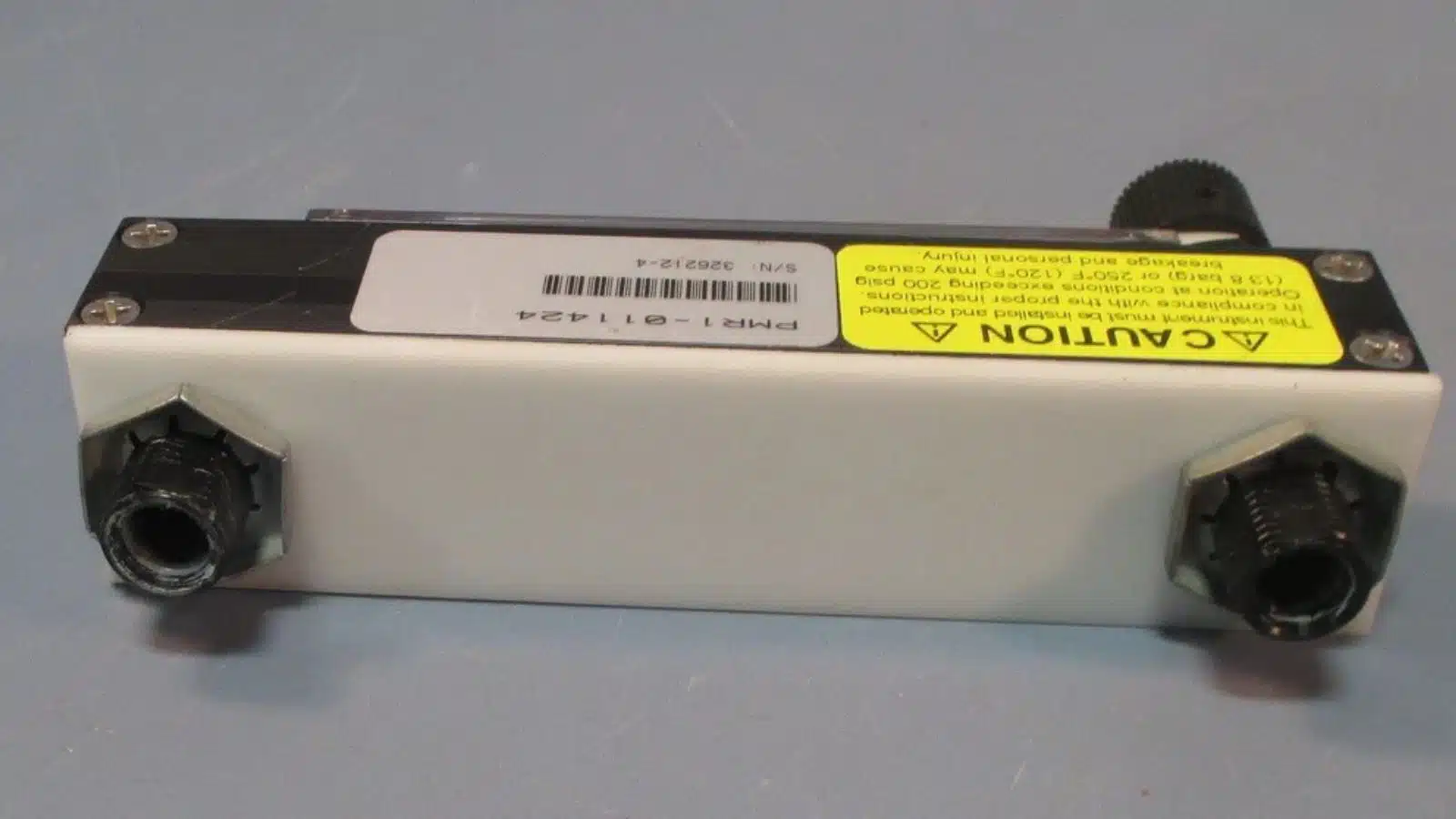
Boost Your Industrial Flow Monitoring Accuracy with Aalborg USA PMR1-013564
Boost Your Industrial Flow Monitoring Accuracy with Aalborg USA PMR1-013564: In today’s fast-paced industrial world,...

+966 59 204 1946
No products in the cart.
The backbone of modern industrial operations hinges on precision, reliability, and control. In complex manufacturing plants, processing facilities, and energy operations, the difference between peak efficiency and costly downtime often comes down to the quality and accuracy of your industrial instrumentation. This isn’t merely about installing a device; it’s about strategically selecting, integrating, and maintaining the right tools that provide real-time, actionable data, allowing you to optimize processes, enhance safety, and drive profitability.
Navigating the vast landscape of sensors, transmitters, controllers, and communication protocols can be daunting. From ensuring accurate flow measurement devices in a critical pipeline to deploying robust pressure sensors industrial environments demand, every decision carries significant weight. At Aska Solution, we understand these complexities. Our mission is to empower you with the knowledge and the solutions needed to build an instrumentation infrastructure that isn’t just functional, but truly transformative.
The journey to mastering industrial instrumentation begins not with a catalog, but with a deep dive into your operational reality. We’ve consistently seen that overlooking the nuances of the application environment is the primary reason for premature equipment failure and suboptimal performance. Without a precise understanding of the conditions under which your instruments must operate, even the most advanced technology can fall short.
A common pitfall we encounter is the selection of instruments based solely on their core function, without considering the harsh realities of the industrial setting. This leads to a cascade of issues, impacting reliability and incurring unexpected costs. In our experience managing complex installations, we’ve found that many operational inefficiencies stem directly from this initial misstep.
Choosing an instrument with inadequate environmental ratings is akin to sending a swimmer into a fire. For instance, a sensor designed for a controlled lab environment will quickly fail when exposed to the high temperatures, corrosive fumes, or intense vibrations common in heavy industry. This isn’t just about survival; it’s about maintaining accuracy under stress. We once worked with a client in a steel mill where their existing temperature measurement systems were constantly failing due to extreme radiant heat and mechanical shock. Their sensors, while accurate in ideal conditions, simply weren’t built for the furnace area’s relentless punishment. This led to frequent replacements and unreliable data, directly impacting product quality.
The materials of construction for your industrial instrumentation must be meticulously matched to the process fluids they will encounter. Using standard stainless steel where highly corrosive acids or alkalis are present will inevitably lead to material degradation, instrument failure, and potential leaks, posing significant safety and environmental risks. We emphasize understanding not just the primary fluid, but also any trace contaminants, cleaning agents, or even steam used during sterilization cycles. This foresight prevents costly component failures and ensures long-term reliability of crucial devices like flow measurement devices and pressure sensors industrial.
Every process has its unique rhythm and range. Selecting a level measurement technology without fully grasping the viscosity, density, or potential for foaming of the liquid, or choosing a flow measurement device without considering transient flow conditions, will lead to inaccurate readings and poor process control instrumentation. You need instruments that can handle the full spectrum of your operational envelope, including start-up, shutdown, and abnormal conditions, not just steady-state. Our team frequently helps clients analyze their process variability to recommend instruments capable of accurately capturing these dynamic changes, ensuring that their data acquisition systems provide a true representation of their operations.
To circumvent these problems, Aska Solution advocates for a meticulous, front-end engineering approach. This involves a comprehensive site assessment and detailed process mapping, ensuring that every piece of industrial instrumentation is perfectly matched to its intended application. This strategic framework allows for informed sensor selection industrial practices that drive long-term success.
An environmental audit involves systematically evaluating all physical and chemical conditions present at the instrument’s mounting location. This includes:
We work with your teams to perform these audits, often discovering previously unknown variables that significantly influence industrial automation components selection.
Based on the process fluid analysis, we meticulously specify the materials of construction. This goes beyond simple stainless steel versus Hastelloy. It includes:
This detailed approach ensures that pressure sensors industrial environments require, or sensitive flow measurement devices, will withstand the test of time and maintain integrity.
Understanding the full spectrum of your process is paramount. This involves defining:
This comprehensive mapping ensures that the chosen process control instrumentation can accurately and reliably operate across all anticipated conditions, feeding reliable data to your data acquisition systems.
In the realm of industrial instrumentation, data is currency. Inaccurate or unreliable measurements are not just minor inconveniences; they directly translate into wasted resources, off-spec products, increased safety risks, and lost revenue. We’ve consistently seen that businesses operating with compromised data are essentially flying blind, making decisions based on faulty information. This is where the importance of robust sensor selection industrial applications truly shines.
The consequences of poor data ripple through an entire operation, affecting everything from energy consumption to regulatory compliance. It’s a fundamental breakdown in process control instrumentation that can derail even the most sophisticated systems. We’ve helped numerous clients identify and rectify these hidden drains on their efficiency.
Imagine trying to drive a car when the speedometer gradually starts showing a different speed than your actual velocity. Sensor drift is precisely this phenomenon in an industrial context. Over time, due to aging components, exposure to harsh conditions, or inherent design limitations, a sensor’s output can slowly deviate from the true measured value. This is particularly problematic for critical loops where slight deviations can lead to significant process shifts. For instance, in applications involving precise temperature measurement systems or level measurement technology, drift can cause quality control issues or inefficient energy use. Without regular transmitter calibration, these drifts go unnoticed, compounding errors over weeks or months.
Industrial environments are rife with sources of electromagnetic interference (EMI) and radio frequency interference (RFI). Motors, variable frequency drives (VFDs), power lines, and even radio communications can generate noise that can corrupt sensor signals, leading to erratic or incorrect readings. This is a common challenge we address in field instrumentation troubleshooting. A client operating heavy machinery noticed their pressure sensors industrial were intermittently reporting spikes, leading to unnecessary shutdowns. Our investigation revealed that inadequate shielding on their instrument cabling, combined with close proximity to a large motor, was causing significant EMI, distorting the legitimate pressure readings.
Resolution refers to the smallest change a sensor can detect. If your process requires very fine adjustments or monitoring of minute changes, but your selected industrial instrumentation has a low resolution, you’re missing critical data points. For example, in a pharmaceutical process requiring precise ingredient dosing, a flow measurement device with insufficient resolution might not detect subtle variations that could impact batch quality. Conversely, over-specifying resolution can lead to unnecessary cost. The key is to match the instrument’s capability precisely to the process’s demands, ensuring your data acquisition systems capture all necessary detail without being overwhelmed by irrelevant precision.
At Aska Solution, our approach focuses on specifying and implementing industrial instrumentation that delivers consistent, reliable, and precise data. This proactive strategy minimizes measurement inaccuracies, enhances process control instrumentation, and ensures your operations run on trustworthy information.
It’s vital to differentiate between accuracy and precision:
Both are critical, but their relative importance varies by application. For a safety interlock, high accuracy is paramount. For maintaining a consistent blend, high precision might be more important. We help clients define these requirements for each measurement point, ensuring that the selected industrial automation components meet the specific needs, preventing both under- and over-specification. This impacts everything from flow measurement devices to temperature measurement systems.
Mitigating electrical noise is fundamental to reliable data. Our team ensures that proper installation practices are followed, including:
These techniques are critical for maintaining signal integrity, particularly for sensitive pressure sensors industrial applications and remote data acquisition systems.
This involves a careful analysis of your process control requirements. We guide clients through sensor selection industrial parameters, advising on instruments that offer:
By focusing on these attributes, we ensure that your industrial instrumentation provides accurate, stable, and actionable data, forming a reliable foundation for your operations.
“The cost of inaccurate data far outweighs the initial investment in high-quality instrumentation. Every operational decision, from product quality to safety protocols, relies on the integrity of your measurements. Compromise here, and you compromise everything.” – Dr. Eleanor Vance, Industrial Engineering Consultant
In today’s interconnected industrial landscape, individual instruments are rarely isolated. They are part of a larger ecosystem of process control instrumentation, feeding data into supervisory systems and control platforms. When these components fail to communicate seamlessly, it creates “integration headaches” that manifest as data silos, operational inefficiencies, and significant field instrumentation troubleshooting challenges. Aska Solution specializes in dissolving these barriers, enabling truly smarter operations.
The digital transformation of industry has brought an explosion of data, but this data is only valuable if it can be accessed, analyzed, and acted upon. When systems speak different languages, the flow of information grinds to a halt, limiting visibility and hindering automation potential.
Many facilities operate with a blend of aging and new technology. While legacy systems might still be perfectly functional for their original purpose, they often rely on older, proprietary communication protocols (e.g., 4-20mA analog signals, Modbus RTU) that struggle to integrate with modern, high-speed, Ethernet-based devices. This creates islands of information, preventing a unified view of the process. Upgrading one part of the system, such as introducing new, intelligent flow measurement devices, can inadvertently create communication gaps with existing PLC programming or SCADA systems integration.
Even when protocols are compatible, the sheer complexity of integrating dozens or hundreds of field devices—from temperature measurement systems to level measurement technology—into a centralized Programmable Logic Controller (PLC) or Supervisory Control and Data Acquisition (SCADA) system can be overwhelming. This involves mapping I/O points, configuring communication drivers, and developing custom software interfaces. Errors in this phase can lead to significant delays, incorrect data mapping, and unreliable control. We’ve seen projects stall for weeks due to unforeseen integration challenges between new industrial automation components and existing control infrastructure.
Where seamless digital integration fails, manual data entry often steps in as a workaround. Operators might have to physically read local displays on industrial instrumentation and then input those values into a computer system or logbook. This process is inherently prone to human error, time-consuming, and introduces significant delays in data availability. It also prevents real-time analysis and automated responses, rendering advanced data acquisition systems effectively useless for those points.
Our expertise at Aska Solution lies in designing instrumentation architectures that prioritize interoperability, ensuring all your industrial instrumentation speaks the same language. This proactive approach eliminates communication bottlenecks and lays the groundwork for truly integrated and intelligent operations.
The foundation of seamless integration is standardized communication. We guide clients in selecting industrial automation components that support widely adopted industrial protocols.
| Protocol Name | Key Characteristics | Typical Applications | Aska Solution Insight |
|---|---|---|---|
| Modbus RTU/TCP | Simple, robust, widely supported, cost-effective. RTU for serial, TCP for Ethernet. | Small to medium-scale control systems, interfacing with intelligent field devices like pressure sensors industrial and flow measurement devices. | Excellent for integrating diverse legacy and modern industrial instrumentation. We often use it for cost-effective data transfer where speed isn’t the absolute highest priority. |
| Profibus DP/PA | High-speed, deterministic, widely used in Europe, supports complex process control. DP for discrete I/O, PA for process automation. | Large-scale process control, high-speed data exchange, process control instrumentation in chemical, oil & gas. | Ideal for demanding applications requiring robust real-time communication. We deploy Profibus for clients needing stringent transmitter calibration feedback and control. |
| Ethernet/IP | Standard Ethernet infrastructure, high bandwidth, widely used in North America, object-oriented. | High-speed manufacturing, robotics, motion control, data acquisition systems, integration with business systems. | Our go-to for modern, scalable architectures. It offers unparalleled flexibility for SCADA systems integration and connecting diverse industrial automation components. |
| PROFINET | Real-time Ethernet, fast, robust, used heavily with Siemens PLCs, supports standard IT services. | High-speed discrete and process automation, motion control, extensive diagnostic capabilities. | Valuable for high-performance applications and large distributed systems, especially where a Siemens PLC backbone is in place. Enhances PLC programming efficiency. |
| HART (Highway Addressable Remote Transducer) | Analog 4-20mA with digital overlay, allows digital communication over existing analog wiring. | Smart industrial instrumentation, remote configuration and diagnostics of devices like temperature measurement systems and level measurement technology. | Maximizes value from existing analog infrastructure, enabling intelligent field instrumentation troubleshooting and transmitter calibration without new wiring. |
By standardizing on these, we streamline SCADA systems integration and reduce compatibility issues.
Effective SCADA systems integration (or Distributed Control System – DCS) requires careful planning from the architectural level. We design these integrations to ensure:
Our team provides the PLC programming and configuration expertise to connect your field devices to these supervisory systems, creating a cohesive control environment.
Beyond immediate control, we help clients implement solutions for long-term data storage and analysis.
By centralizing data, we unlock its full potential, transforming raw numbers into actionable intelligence for continuous improvement.
The true cost of industrial instrumentation extends far beyond its initial purchase price. Maintenance, repair, and transmitter calibration are ongoing operational expenses that can significantly impact a facility’s budget and uptime. When these tasks are difficult, time-consuming, or frequently required, they become a major burden. Aska Solution helps mitigate these challenges by emphasizing instruments designed for maintainability and incorporating intelligent diagnostics.
In our extensive experience in industrial settings, we’ve seen how poorly chosen or installed industrial instrumentation can become a constant drain on resources, leading to increased labor costs, extended downtime, and reduced operational efficiency. Proactive field instrumentation troubleshooting is often hindered by instrument design.
Imagine a critical pressure sensors industrial application mounted high in a pipe rack, requiring scaffolding and a lengthy permit process just to reach it for inspection or transmitter calibration. Or a flow measurement device embedded deep within a complex skid, necessitating partial disassembly of equipment to gain access. Such scenarios add significant time and cost to routine maintenance, sometimes leading to maintenance deferral, which can escalate into more serious problems. We advise clients on optimal instrument placement and accessible design during the planning phase to avoid these costly logistical nightmares.
Many sophisticated industrial instrumentation devices, particularly those with high accuracy requirements like certain temperature measurement systems or level measurement technology, can have intricate calibration procedures. These often demand highly trained technicians, specialized calibration equipment (e.g., precise pressure calibrators, temperature baths), and extensive documentation. If these tools or expertise are not readily available, it can lead to delays, inaccurate calibrations, or even sending instruments off-site for servicing, all of which contribute to prolonged downtime and higher operational expenses. We’ve seen situations where the complexity of transmitter calibration leads facilities to perform it less frequently than recommended, risking data integrity.
Without built-in diagnostics, industrial instrumentation often fails without warning. This forces a reactive maintenance strategy: waiting for a breakdown to occur before taking action. This approach is inherently inefficient and costly, leading to unscheduled downtime, scramble for parts, and potential process upsets. When a process control instrumentation component fails, operators might spend hours on field instrumentation troubleshooting, trying to identify the root cause, rather than immediately addressing the problem thanks to diagnostic information. This lack of visibility into instrument health is a significant barrier to predictive maintenance.
To combat these challenges, Aska Solution champions the selection of industrial instrumentation that is inherently designed for ease of maintenance, simplified transmitter calibration, and advanced diagnostic capabilities. This strategy minimizes downtime, reduces labor costs, and enables a more proactive maintenance approach, optimizing your industrial automation components.
Modularity is a game-changer for maintainability. Instruments with modular designs allow for quick replacement of specific components (e.g., sensor heads, electronic modules) without disturbing the entire unit or process. Hot-swappable components take this a step further, permitting replacement without even shutting down the process. This significantly reduces mean time to repair (MTTR). For instance, some modern level measurement technology offers modular sensor probes that can be easily exchanged. We guide clients towards industrial instrumentation that offers these features, knowing they translate directly into reduced maintenance overhead and improved uptime for critical process control instrumentation.
The future of maintenance is predictive, not reactive. Modern industrial instrumentation offers advanced diagnostic capabilities that allow for continuous monitoring of instrument health.
This proactive approach, often leveraging SCADA systems integration and IIoT platforms, transforms maintenance from a cost center into an efficiency driver.
For instruments requiring regular transmitter calibration, ease of calibration is paramount.
By prioritizing these design features during sensor selection industrial applications, we help clients dramatically reduce the time and effort associated with routine calibration, improving efficiency and data reliability.
Safety and compliance are non-negotiable pillars of industrial operations. The right industrial instrumentation plays a critical role in safeguarding personnel, protecting assets, and ensuring adherence to stringent industry regulations. Failures in this area can lead to catastrophic accidents, significant financial penalties, and irreparable damage to reputation. At Aska Solution, we embed safety and compliance into the very core of our instrumentation design and selection philosophy.
Ignoring or underestimating safety requirements in industrial instrumentation selection is a perilous path. The consequences range from minor infractions to major incidents, making it a priority for every facility. We’ve assisted many clients in rectifying non-compliant systems that posed significant risks.
In hazardous environments, such as those with flammable gases or combustible dusts, using instruments that lack specific safety certifications (e.g., ATEX, IECEx for explosive atmospheres; SIL – Safety Integrity Level for functional safety) is not only illegal but extremely dangerous. An uncertified pressure sensors industrial device could ignite an explosive atmosphere, or a non-SIL rated safety sensor might fail to detect a critical condition, leading to an uncontrolled event. These certifications ensure that the industrial instrumentation has been rigorously tested and designed to prevent or mitigate hazards, and are essential for any process control instrumentation located in risky areas.
Beyond general safety, many industries have highly specific regulations that dictate the type, installation, and operation of industrial instrumentation. For example, the pharmaceutical industry (FDA regulations), food and beverage (hygienic design), or oil and gas (API standards) all have unique requirements. Failure to comply can result in product recalls, operational shutdowns, and severe legal repercussions. We frequently find clients unaware of the full scope of regulations impacting their specific level measurement technology or flow measurement devices, leading to compliance gaps.
An instrument can provide accurate data, but if that data isn’t effectively communicated and acted upon in a critical situation, its safety value is lost. Inadequate alarm management (too many nuisance alarms, poorly prioritized alarms) can lead to operator fatigue and missed critical warnings. Similarly, poorly designed or unimplemented interlock systems—which are meant to automatically shut down or modify a process when unsafe conditions are detected—can fail to prevent accidents. This is a critical area for SCADA systems integration and PLC programming, where logic errors can have dire consequences.
Aska Solution prioritizes a proactive approach to safety and compliance, integrating these considerations into every phase of industrial instrumentation system design. Our goal is to protect your people, your assets, and your reputation through robust, certified solutions.
Our consultants possess deep knowledge of international and industry-specific safety standards. We work closely with clients to:
This meticulous approach ensures that every temperature measurement systems or pressure sensors industrial environment demands adheres to the highest safety benchmarks.
For critical safety functions, we design and implement Safety Instrumented Systems (SIS). These are distinct from basic process control systems (BPCS) and are designed to bring a process to a safe state when predefined conditions are violated. Key elements include:
Our expertise in PLC programming and functional safety ensures your SIS provides maximum protection.
A fundamental principle in safety design is “failsafe.” This means that in the event of a power failure, component malfunction, or communication loss, the industrial instrumentation or system defaults to a safe state. For example, a control valve might be configured to fail closed to stop flow, or fail open to relieve pressure. We also design comprehensive Emergency Shutdown (ESD) systems that can quickly and safely bring an entire plant or a specific unit to a controlled stop, preventing escalation of incidents. This includes:
By meticulously planning for these scenarios, we ensure your process control instrumentation actively contributes to a safer working environment.
When procuring industrial instrumentation, it’s easy to fall into the trap of focusing solely on the upfront purchase price. However, this narrow view often leads to higher total costs over the lifespan of the equipment. True cost-efficiency in industrial instrumentation considers the entire Total Cost of Ownership (TCO), which encompasses everything from installation to energy consumption and eventual replacement. Aska Solution helps clients make informed investment decisions that deliver long-term value.
Many businesses unknowingly accumulate significant operational costs due to a shortsighted approach to industrial instrumentation procurement. This can erode profit margins and divert resources from other critical areas. We’ve seen firsthand how an initial “bargain” can become a long-term liability.
A common mistake is selecting the cheapest available industrial instrumentation without considering the ongoing expenses. A low-cost flow measurement device might have higher energy consumption, require more frequent transmitter calibration, or break down more often, leading to increased maintenance and replacement costs. Similarly, a level measurement technology that’s inexpensive to buy but difficult to install or troubleshoot will rack up significant labor costs over its lifetime. We help clients look beyond the sticker price to evaluate the full financial impact.
If industrial instrumentation is not adequately matched to its operating environment (as discussed earlier), or if it’s of inferior quality, it will fail prematurely. This leads to a cycle of repeated purchases, unexpected capital expenditures, and increased downtime. Each failure incurs not just the cost of a new instrument, but also installation costs, lost production time, and the labor associated with field instrumentation troubleshooting and replacement. This becomes particularly problematic for specialized pressure sensors industrial applications or critical temperature measurement systems where replacements are not readily available.
Modern industrial automation components, including sensors and transmitters, consume power. While individual consumption might seem small, across hundreds or thousands of devices, especially in a large facility with many data acquisition systems, inefficient instruments can contribute significantly to energy bills. Legacy process control instrumentation often uses more power than newer, more efficient designs. Over a decade, the accumulated energy cost of inefficient industrial instrumentation can easily surpass the initial purchase price of a more energy-efficient alternative.
Aska Solution advocates for a comprehensive evaluation of industrial instrumentation that considers not just acquisition cost, but also installation, operational efficiency, maintenance, and longevity. This approach ensures you invest in solutions that deliver optimal Return on Investment (ROI) and long-term cost savings.
We work with clients to perform a thorough Total Cost of Ownership (TCO) analysis for proposed industrial instrumentation. This calculation includes:
This holistic view allows for a direct comparison of different sensor selection industrial options, revealing the true economic impact of each choice.
We guide clients towards industrial instrumentation that offers a compelling balance of durability, reliability, and energy efficiency.
Investing slightly more upfront in higher-quality, energy-efficient industrial instrumentation nearly always yields significant savings and improved reliability over its operational lifetime.
The relationship with your industrial instrumentation vendor extends beyond the initial sale. We help clients evaluate vendors based on:
A strong vendor partnership, especially with companies offering comprehensive services like Aska Solution, can significantly reduce the TCO by providing crucial support and expertise throughout the instrument’s lifecycle, ensuring that your data acquisition systems remain operational and optimized.
The industrial landscape is in constant flux, driven by rapid advancements in technology like the Industrial Internet of Things (IIoT), artificial intelligence (AI), and advanced analytics. Investing in industrial instrumentation without considering future adaptability can quickly lead to obsolescence, limiting growth potential and requiring costly, disruptive overhauls. Aska Solution helps you build systems that are not just functional for today, but ready for tomorrow.
Many organizations find themselves trapped with rigid industrial instrumentation systems that struggle to keep pace with technological advancements or changing business needs. This leads to missed opportunities and a competitive disadvantage.
Market demands can shift rapidly, requiring changes in production volume, product variations, or even entirely new processes. If your industrial instrumentation and underlying control systems are rigid, incapable of being easily reconfigured or expanded, adapting to these demands becomes a slow, costly, and complex endeavor. For instance, a fixed-architecture process control instrumentation system might make it difficult to add new flow measurement devices or temperature measurement systems for a new production line, or re-purpose existing ones, limiting agility.
Proprietary systems with closed architectures often present significant hurdles when it comes to upgrades or expansions. You might be locked into a single vendor’s ecosystem, facing high costs and limited choices for adding new industrial automation components or enhancing existing ones. This lack of flexibility can lead to a patchwork of disparate systems that are difficult to manage and maintain, creating challenges for SCADA systems integration and PLC programming.
The inability to integrate with modern IIoT platforms means missing out on powerful opportunities for optimization. IIoT enables remote monitoring, predictive maintenance, and real-time data analysis across all your industrial instrumentation, feeding into data acquisition systems for AI-driven insights. If your existing infrastructure cannot support these technologies, you forgo potential improvements in efficiency, uptime, and predictive capabilities, falling behind competitors who leverage these innovations.
To combat obsolescence and foster innovation, Aska Solution designs industrial instrumentation architectures that are inherently scalable, modular, and open. This strategy ensures your systems can evolve with technology and adapt to future business requirements.
We advocate for industrial instrumentation that embraces modularity and open standards.
This approach provides a robust framework that can gracefully incorporate new technologies as they emerge, protecting your investment in industrial instrumentation.
When selecting new industrial instrumentation, we encourage clients to look for features that enable seamless integration into IIoT ecosystems.
These capabilities are essential for unlocking the full potential of your industrial instrumentation, driving insights, and enabling advanced applications like predictive maintenance and process optimization.
A key element of future-proofing is selecting strategic partners, not just product suppliers. At Aska Solution, we:
By establishing these strategic partnerships, we ensure that your investment in industrial instrumentation is protected and positioned for sustained growth and technological advantage.
The complexities of industrial instrumentation selection, integration, and optimization can be overwhelming. From ensuring the correct sensor selection industrial applications demand, to designing seamless SCADA systems integration, and implementing efficient PLC programming, each step requires specialized expertise. Many organizations struggle with a lack of in-house resources, fragmented solutions, and the sheer scale of modern industrial projects. Aska Solution bridges this gap, offering comprehensive, integrated services that provide a clear path to operational excellence.
The sheer volume of available industrial instrumentation and the intricate details involved in system design and deployment can paralyze even the most capable engineering teams. This often leads to suboptimal choices, project delays, and budget overruns.
Modern industrial instrumentation systems are highly sophisticated, requiring deep knowledge across multiple disciplines: electrical, mechanical, chemical, and software engineering. Few companies possess the breadth and depth of in-house expertise required to design, implement, and optimize complex process control instrumentation from scratch. This is particularly true for specialized areas like functional safety, hazardous area classification, or advanced data acquisition systems architecture. Our clients often tell us they simply don’t have the internal bandwidth or the specific skills for such intricate projects.
While many standard industrial automation components are readily available, some applications require highly specialized or even custom-fabricated industrial instrumentation. This could involve unique materials for extreme environments, bespoke flow measurement devices for unusual fluid properties, or custom-designed temperature measurement systems for a specific process geometry. Identifying reliable suppliers, specifying precise requirements, and managing the procurement and quality control for such custom solutions can be a significant challenge, fraught with risks.
Even with the right design and components, the actual implementation—installation, wiring, configuration, transmitter calibration, and commissioning—can be fraught with challenges. Coordinating multiple vendors, managing timelines, ensuring proper field instrumentation troubleshooting, and validating system performance requires meticulous project management. Errors during commissioning, particularly in SCADA systems integration or PLC programming, can lead to costly delays, start-up issues, and even safety hazards.
Aska Solution offers a holistic, end-to-end partnership designed to simplify the entire industrial instrumentation lifecycle. Our integrated services, combined with our deep expertise, provide peace of mind and ensure optimal project outcomes.
We don’t just sell instruments; we design solutions. Our approach begins with a thorough understanding of your operational goals, challenges, and existing infrastructure. We then apply our expertise to:
This comprehensive methodology ensures that your industrial instrumentation system is optimized for performance, safety, and long-term reliability from day one.
When off-the-shelf industrial instrumentation isn’t sufficient, Aska Solution leverages its custom fabrication and engineering capabilities. We can design and produce bespoke solutions for unique applications, including:
Our ability to combine custom fabrication with structural engineering, all under one roof, provides a seamless, integrated solution that few others can offer.
Aska Solution provides comprehensive support throughout the entire project lifecycle, ensuring a smooth transition from design to operation.
Our operational presence and integrated capabilities mean that when our team tackles an issue on-site, they often find solutions faster, minimizing downtime and maximizing the performance of your data acquisition systems and entire process control instrumentation.
Mastering industrial instrumentation is not merely about technological adoption; it’s about strategic foresight, meticulous planning, and leveraging expertise to transform your operational capabilities. By understanding your environment, prioritizing precision, designing for seamless integration, and focusing on long-term value, you can build an instrumentation infrastructure that drives unparalleled efficiency, reliability, and safety. This comprehensive approach safeguards against costly pitfalls, ensures regulatory compliance, and positions your enterprise for continuous growth in an ever-evolving industrial landscape.
The benefits are clear: enhanced operational efficiency through accurate data, improved reliability by minimizing downtime, and a safer working environment for your personnel. With the right industrial instrumentation and an expert partner, you can turn complex challenges into competitive advantages. We are confident that by partnering with Aska Solution, you will not only navigate the complexities of modern industrial instrumentation but truly thrive.
Determining the best sensor selection industrial application requires a thorough analysis of several factors:
1. Process Variable: What precisely are you measuring (e.g., temperature, pressure, flow, level)?
2. Process Conditions: What are the operating temperatures, pressures, chemical composition of the medium, viscosity, density, and potential for corrosion or abrasion?
3. Environmental Conditions: Ambient temperature, humidity, vibration, shock, hazardous area classification (e.g., requiring ATEX/IECEx certified instruments).
4. Accuracy and Resolution: What level of precision and detail does your process control instrumentation require?
5. Response Time: How quickly does the sensor need to react to changes?
6. Mounting Limitations: Available space, orientation, and access for maintenance.
7. Output Signal & Communication: What type of signal is required (e.g., 4-20mA, digital protocol like Modbus, Profibus, Ethernet/IP) for your data acquisition systems?
8. Cost & Total Cost of Ownership (TCO): Balancing initial cost with long-term maintenance, energy consumption, and lifespan.
Aska Solution can conduct a detailed site assessment and process mapping to help you make an informed decision, ensuring optimal industrial instrumentation for your unique needs.
Integrating new industrial instrumentation into existing systems, especially with legacy equipment, primarily revolves around communication and compatibility. Key considerations include:
1. Communication Protocols: Ensure the new devices support protocols compatible with your existing PLCs, DCS, or SCADA systems integration (e.g., Modbus, Profibus, Ethernet/IP, HART).
2. I/O Compatibility: Verify electrical compatibility (voltage levels, current draw) and physical connection types.
3. Software & Drivers: Confirm that your existing control software or PLC programming can recognize and interface with the new industrial automation components.
4. Data Mapping: Plan how data points from new devices will be mapped into your existing data acquisition systems and HMI.
5. System Load: Assess if the existing network and control system have the capacity to handle additional devices and data traffic without performance degradation.
6. Safety & Security: Ensure new devices meet existing safety standards and don’t introduce new cybersecurity vulnerabilities.
7. Phased Implementation: Plan for a phased integration to minimize disruption and allow for thorough testing.
Our team at Aska Solution specializes in seamless SCADA systems integration and can design custom interfaces or use protocol converters to bridge compatibility gaps.
The frequency of transmitter calibration for industrial instrumentation depends on several critical factors:
1. Process Criticality: Instruments in critical control loops or safety instrumented systems (SIS) require more frequent calibration than non-critical monitoring devices.
2. Manufacturer’s Recommendations: Always consult the instrument manufacturer’s guidelines, which provide a starting point.
3. Regulatory Requirements: Certain industries (e.g., pharmaceutical, food & beverage) have strict regulatory mandates for calibration intervals.
4. Operating Conditions: Harsh environments (high temperature, vibration, corrosive media) can cause sensors to drift more quickly, necessitating more frequent calibration.
5. Accuracy Requirements: Instruments requiring very high accuracy might need more frequent checks.
6. Historical Data: Track the drift rate of your specific industrial instrumentation. If an instrument consistently drifts out of tolerance quickly, its calibration frequency should be increased.
In our experience, a typical starting point might be annually, but it’s common for critical pressure sensors industrial or temperature measurement systems to be calibrated quarterly or bi-annually. Aska Solution can help establish a robust calibration program tailored to your specific assets and operational needs.
The Industrial Internet of Things (IIoT) is transforming modern industrial instrumentation by enabling unprecedented levels of connectivity, data collection, and intelligence. Its key roles include:
1. Enhanced Data Acquisition: IIoT platforms collect vast amounts of data from all industrial instrumentation (sensors, flow measurement devices, level measurement technology), creating comprehensive data acquisition systems.
2. Remote Monitoring & Control: Operators can monitor and sometimes control process control instrumentation from anywhere, improving flexibility and response times.
3. Predictive Maintenance: By continuously analyzing data from industrial automation components, IIoT can detect early signs of equipment failure, allowing for proactive maintenance before a breakdown occurs, significantly reducing downtime and field instrumentation troubleshooting efforts.
4. Process Optimization: Advanced analytics and AI applied to IIoT data can identify inefficiencies, optimize process parameters, and improve resource utilization.
5. Asset Performance Management (APM): IIoT provides insights into the overall health and performance of individual assets and entire systems.
6. Supply Chain Integration: Data from industrial instrumentation can be integrated with enterprise systems, providing real-time visibility across the supply chain.
Aska Solution leverages IIoT to empower clients with smarter operations, from sensor selection industrial applications to advanced analytics.
Yes, absolutely. At Aska Solution, we understand that off-the-shelf industrial instrumentation solutions may not always meet the unique demands of highly specialized or challenging industrial processes. We offer comprehensive custom instrumentation design and fabrication services to address these specific requirements. Our capabilities include:
1. Detailed Engineering Design: Our engineers work closely with you to define exact specifications, material compatibility, and performance requirements for your custom industrial instrumentation.
2. Specialized Material Selection: We source and utilize materials suited for extreme temperatures, pressures, corrosive media, or hygienic applications.
3. Custom Sensor & Probe Fabrication: Designing and building bespoke temperature measurement systems, pressure sensors industrial configurations, level measurement technology probes, or flow measurement devices to fit unique process geometries or conditions.
4. Skid-Mounted Systems: We can engineer and fabricate complete, pre-tested, skid-mounted solutions integrating multiple industrial automation components into a single, compact unit for easy deployment.
5. Prototyping & Testing: We provide prototyping services and rigorous testing to ensure your custom industrial instrumentation performs flawlessly before full-scale deployment.
Our integrated approach allows us to provide a seamless solution, from concept to commissioning, ensuring your custom process control instrumentation perfectly aligns with your operational needs.
Don’t forget to share it
Related Articles
Boost Your Industrial Flow Monitoring Accuracy with Aalborg USA PMR1-013564

Workplace H₂S Protection with Honeywell BWC2-H BW Clip

How the KITAGAWA AP-20 Enhances Workplace Air Quality Monitoring

A Comprehensive Guide to KITAGAWA Gas Detector Tubes

A Complete Review of the Werther Silent Air Compressor
Unlocking Peak Performance: The Power of Precision Tools
We have received your inquiry and our team will review your requested items and get back to you as soon as possible.