No products in the cart.
Instrumentation
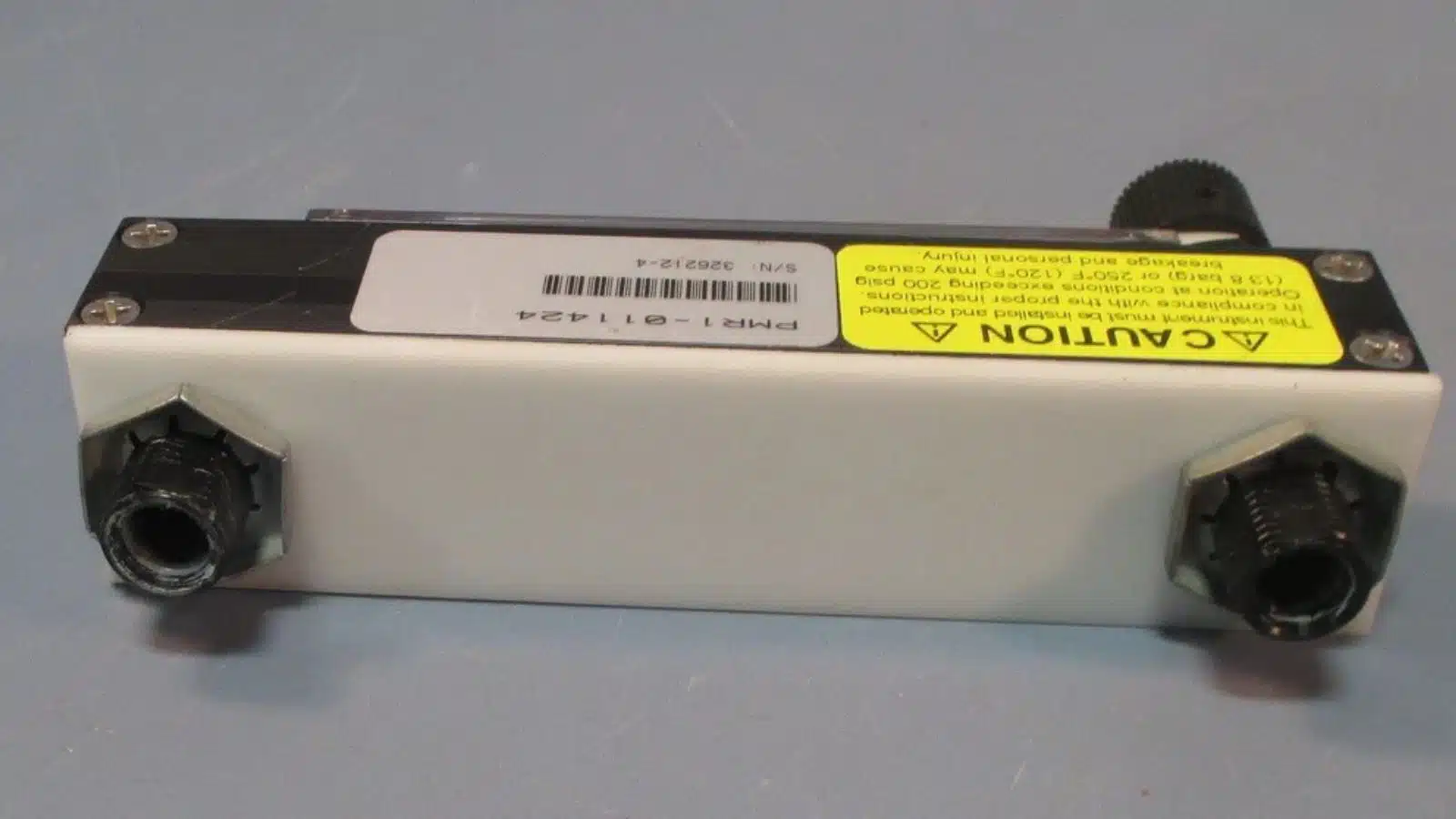
Boost Your Industrial Flow Monitoring Accuracy with Aalborg USA PMR1-013564
Boost Your Industrial Flow Monitoring Accuracy with Aalborg USA PMR1-013564: In today’s fast-paced industrial world,...

+966 59 204 1946
No products in the cart.
Welcome to an era where the pulse of your industrial operations can be felt, understood, and optimized with unprecedented clarity. In today’s rapidly evolving industrial landscape, the pursuit of peak operational efficiency is no longer a luxury but a necessity. The true measure of a successful enterprise lies in its ability to adapt, innovate, and maintain continuous, seamless operations, all while maximizing resource utility.
For too long, many businesses have tolerated a degree of uncertainty in their operational processes. Relying on periodic manual checks, reactive maintenance schedules, or even gut feelings often leads to a cycle of inefficiencies, unexpected downtimes, and escalating costs. This traditional approach, while once standard, now represents a significant drain on resources and a barrier to competitive growth. The hidden costs of stagnation are insidious, impacting everything from energy consumption and raw material waste to labor productivity and the overall quality of output. Without granular insights into every facet of your operations, you’re essentially navigating complex systems blindfolded, reacting to problems rather than preempting them.
The silent struggles of outdated operations manifest in various forms. Consider the example of a manufacturing plant where equipment failure occurs unexpectedly, halting production lines and resulting in expensive emergency repairs and lost revenue. Or a processing facility where variations in temperature or pressure go unnoticed for too long, leading to substandard product batches and significant material waste. These aren’t just isolated incidents; they are symptoms of a deeper issue: a lack of comprehensive, real-time visibility and proactive control. Businesses grappling with legacy systems often find themselves caught in a reactive loop, consistently playing catch-up with problems that could have been avoided. We’ve seen firsthand how these challenges impede growth, erode profit margins, and stifle innovation, preventing companies from reaching their full potential.
Fortunately, a new era of operational excellence is upon us, spearheaded by the transformative power of smart instrumentation. This isn’t merely an upgrade to existing devices; it represents a fundamental shift in how we monitor, control, and optimize industrial processes. Smart instrumentation harnesses advanced sensor technology, robust connectivity, and intelligent data analytics to provide a living, breathing view of your entire operational ecosystem. It promises not just to identify problems but to predict them, not just to control processes but to optimize them dynamically. At Aska Solution, we’ve witnessed the profound impact smart instrumentation has on our clients, transforming their operations from reactive and costly to proactive, efficient, and highly profitable. This is the blueprint for a future where every component works in harmony, driven by precision and powered by unparalleled intelligence.
At its core, smart instrumentation transcends the capabilities of traditional sensors and gauges. It represents an integrated system designed to gather, analyze, and act upon critical operational data with unprecedented intelligence. Imagine every component in your facility not just performing its function but also actively communicating its status, health, and performance metrics. This is the essence of smart instrumentation, creating a dynamic, data-rich environment that informs every decision and optimizes every process. We consider it the central nervous system of modern industrial operations, enabling businesses to achieve levels of control and efficiency previously unattainable.
What elevates a simple sensor to an “intelligent device” within the realm of smart instrumentation? The distinction lies in several key attributes that go far beyond basic measurement. Firstly, intelligent sensors possess embedded microprocessors capable of local data processing, filtering, and even basic analysis directly at the source. This reduces the burden on central control systems and allows for faster, more relevant data transmission. Secondly, they incorporate advanced communication protocols, enabling seamless integration into broader networks, often leveraging industrial IoT principles. This means they can speak a common language with other devices, control systems, and data platforms. Finally, they often feature self-diagnosis and calibration capabilities, minimizing the need for manual intervention and enhancing reliability. In our work, we’ve found that these intelligent sensors are not just data collectors; they are decision-support tools embedded within your physical infrastructure, constantly providing the insights needed for optimal process optimization. This sophisticated sensor technology forms the backbone of any robust smart factory initiative.
The true power of smart instrumentation is unleashed through its sophisticated connectivity, transforming individual intelligent devices into a cohesive, responsive network. Think of this connectivity as the nervous system of your operations, transmitting vital signals from every corner of your facility to a central brain. This involves secure and reliable communication protocols, often wireless, which allow devices to exchange data efficiently and in real-time. Whether it’s through Ethernet, Wi-Fi, cellular, or specialized industrial IoT protocols like LoRaWAN or OPC UA, the goal is uninterrupted data flow. We emphasize robust network architecture because it directly impacts the reliability of your real-time monitoring capabilities and the speed at which data-driven decisions can be made. Without robust connectivity, even the smartest sensors are isolated islands; with it, they form an intelligent, interconnected ecosystem that drives holistic operational efficiency.
The ultimate value proposition of smart instrumentation lies in its ability to transform raw operational data into actionable insights. Having data for its own sake is not enough; the ability to interpret, analyze, and derive meaningful conclusions is paramount. Smart instrumentation platforms aggregate data from countless intelligent sensors, revealing patterns, anomalies, and trends that would be invisible through traditional methods. This data empowers stakeholders to make informed, data-driven decisions that directly impact productivity, quality, and cost. For example, by analyzing temperature trends in a critical asset, we can predict potential failures and schedule predictive maintenance before a catastrophic breakdown occurs. This level of insight is foundational to process optimization, enabling continuous improvement cycles and unlocking new levels of operational efficiency. Our expertise lies in helping you harness this data, turning it from a deluge of numbers into a clear roadmap for success.
Embarking on the journey toward greater operational efficiency requires more than just good intentions; it demands precise tools and reliable guidance. Smart instrumentation acts as your indispensable co-pilot, providing the foresight, real-time feedback, and analytical power needed to navigate complex industrial environments successfully. It’s about moving beyond guesswork and embracing a paradigm where every decision is backed by solid data, every process is finely tuned, and every potential issue is identified long before it escalates. We’ve seen how this shift transforms businesses, enabling them to confidently steer towards their strategic objectives with enhanced agility and control.
One of the most significant advantages of smart instrumentation is its capacity to eliminate operational blind spots. In traditional setups, vast areas of your operations remain unmonitored or are checked intermittently, leaving critical gaps in your understanding. These blind spots are breeding grounds for inefficiencies, quality deviations, and unexpected failures. Smart instrumentation, with its widespread deployment of intelligent sensors and real-time monitoring capabilities, illuminates every corner of your facility. It provides a continuous stream of data on parameters like vibration, temperature, pressure, flow rates, and energy consumption, allowing you to “see” the unseen. For example, we once worked with a client struggling with unexplained variations in product quality. By deploying smart instrumentation, we identified subtle, intermittent pressure fluctuations in their pneumatic control systems that were previously undetectable, directly leading to inconsistencies. Addressing these fluctuations through process optimization not only improved product quality but also reduced material waste by 15%. This granular visibility is crucial for proactive management and maintaining a competitive edge.
Perhaps the most transformative aspect of smart instrumentation is its predictive power. Traditional maintenance schedules are often time-based or reactive, leading to either unnecessary interventions or costly breakdowns. Smart instrumentation, however, gathers continuous data from assets, allowing for the application of advanced analytics and machine learning algorithms. This enables true predictive maintenance, where the system anticipates potential equipment failures or process deviations before they occur. By monitoring subtle changes in vibration signatures, temperature anomalies, or energy consumption patterns, the system can alert operators to impending issues. This allows for scheduled, targeted maintenance during planned downtimes, avoiding costly emergency repairs and catastrophic failures. We’ve consistently seen that adopting a predictive maintenance strategy, powered by smart instrumentation, can extend asset lifespans, reduce maintenance costs by up to 30%, and significantly improve overall uptime, directly contributing to higher operational efficiency. This proactive approach is a cornerstone of a smart factory strategy.
The financial benefits of implementing smart instrumentation are substantial and multi-faceted, providing a direct path to increased profitability. By eliminating operational blind spots and enabling predictive maintenance, businesses drastically reduce unexpected downtime, which is often one of the largest hidden costs in industrial settings. Furthermore, continuous process optimization, driven by real-time data, leads to significant reductions in energy consumption, raw material waste, and labor costs. Intelligent sensors can precisely control parameters, ensuring optimal resource utilization and preventing costly over-processing or material spoilage. For instance, in an energy-intensive operation, smart instrumentation can identify inefficient equipment cycling or leaks, leading to substantial energy savings. A common technical issue we help businesses fix is inefficient utility usage due to lack of visibility. By installing smart instrumentation and implementing real-time monitoring, we often uncover opportunities for 10-20% energy cost reductions. These accumulated savings across various operational facets make smart instrumentation a highly compelling investment, directly boosting your bottom line and driving digital transformation.
Developing a successful smart instrumentation strategy requires a thoughtful, structured approach. It’s not about randomly deploying intelligent sensors; it’s about crafting a comprehensive blueprint that aligns with your specific operational goals and integrates seamlessly with your existing infrastructure. At Aska Solution, we guide our clients through a methodical process, ensuring that every step contributes to a robust, scalable, and highly effective system. This blueprint covers everything from initial assessment to ongoing optimization, designed to maximize your return on investment and drive sustainable operational excellence.
The foundational step in any smart instrumentation project is a thorough assessment of your current operational landscape. This involves understanding your existing infrastructure, identifying critical assets, pinpointing recurring pain points, and establishing clear operational goals. What processes are currently inefficient? Where are your biggest sources of waste or downtime? What data are you currently collecting, and what data are you missing? We work closely with your team to conduct a detailed audit of your systems, from legacy control systems to the physical layout of your facility. This assessment is crucial for defining the scope of the project, identifying the most impactful areas for smart instrumentation deployment, and setting measurable objectives for process optimization. Without this foundational understanding, even the most advanced sensor technology may not yield its full potential.
Once your current landscape is understood, the next critical pillar is the strategic selection of the right intelligent tools. The market offers a vast array of smart instrumentation, from pressure transmitters and flow meters to vibration sensors and gas detectors, each with unique specifications and capabilities. Choosing the right intelligent sensors requires a deep understanding of the specific parameters you need to monitor, the environmental conditions, and the desired level of accuracy and reliability. It also involves evaluating communication protocols to ensure seamless integration into your industrial IoT ecosystem. We leverage our extensive experience with diverse industrial components and sensor technology to recommend devices that are not only fit for purpose but also scalable and future-proof. We’ve consistently seen that choosing the right industrial components at this stage prevents costly rework and ensures optimal performance down the line, supporting robust automation solutions.
| Feature | Traditional Instrumentation | Smart Instrumentation |
|---|---|---|
| Data Output | Analog (4-20mA, 0-10V) | Digital (Ethernet/IP, Modbus TCP, OPC UA) |
| Intelligence | Basic measurement, no local processing | Embedded processing, self-diagnostics, calibration |
| Connectivity | Point-to-point wiring, isolated systems | Networked, wireless, industrial IoT protocols |
| Maintenance | Reactive/Preventive (time-based) | Predictive, condition-based, remote diagnostics |
| Data Analytics | Limited, manual interpretation | Real-time analysis, trend identification, anomaly detection |
| Integration | Complex, requires custom interfaces | Seamless, standardized protocols, plug-and-play |
| Cost Implications | High manual labor, unexpected downtime | Reduced downtime, optimized resource use, lower OPEX |
Seamless integration is the cornerstone of a unified smart instrumentation system. Intelligent devices are powerful on their own, but their true value emerges when they are effectively connected to your existing control systems, SCADA platforms, manufacturing execution systems (MES), and enterprise resource planning (ERP) solutions. This involves carefully planning the network architecture, configuring communication gateways, and ensuring data integrity across all platforms. Our team specializes in bridging the gap between new smart technology and legacy infrastructure, creating a cohesive industrial IoT environment. For many of our enterprise clients, we’ve seen that combining custom fabrication with structural engineering is often required to securely mount and protect new sensors while ensuring their data flows efficiently into existing control systems without disruption. This meticulous approach to integration guarantees that you gain a holistic view of your operations and enable true data-driven decisions across your entire value chain.
Collecting vast amounts of data is only the first step; the real challenge and opportunity lie in data analytics mastery. This pillar focuses on transforming raw data from your smart instrumentation into actionable intelligence that drives process optimization and strategic decision-making. We help design and implement robust data analytics platforms capable of processing, storing, and visualizing data in meaningful ways. This includes setting up dashboards for real-time monitoring, configuring alerts for anomalies, and deploying advanced analytical models to uncover hidden insights. For instance, predictive maintenance relies heavily on analyzing historical data patterns to forecast future equipment behavior. We guide you in identifying key performance indicators (KPIs) and developing analytical frameworks that translate complex data into clear, concise information, empowering your team to make informed, data-driven decisions swiftly and effectively. This is crucial for realizing the full promise of a smart factory.
Technology is only as effective as the people who use it. The final, yet critical, pillar for smart instrumentation success is empowering your team through comprehensive training and knowledge transfer. Implementing new automation solutions and a digital transformation strategy requires a shift in skill sets and understanding. We provide tailored training programs for operators, maintenance staff, and engineers, covering everything from the basics of intelligent sensors and real-time monitoring to advanced data interpretation and system management. Our goal is to ensure your team is confident and proficient in leveraging the new smart instrumentation system, understanding how to interact with the control systems, interpret data, and troubleshoot issues. This commitment to human capital ensures long-term sustainability and maximizes the benefits of your investment, transforming your workforce into active participants in your journey towards operational excellence.
The theoretical benefits of smart instrumentation are compelling, but its true power is best illustrated through real-world transformations. At Aska Solution, we’ve partnered with numerous businesses to turn their operational challenges into significant success stories, leveraging the precision and insights offered by smart instrumentation. These anecdotes highlight how embracing this technology can lead to tangible improvements in efficiency, quality, and profitability, reinforcing the value of data-driven decisions.
One of our most impactful success stories involves a large food processing plant that was plagued by unpredictable downtime due to aging machinery. Their traditional time-based maintenance schedule often resulted in either premature equipment servicing or, more frequently, sudden, costly breakdowns during peak production. We implemented a comprehensive smart instrumentation solution, deploying intelligent sensors on critical motors, pumps, and conveyor systems to monitor vibration, temperature, and current draw in real-time. The data collected was fed into a predictive maintenance platform, which used machine learning to identify subtle deviations indicating impending failure. Within six months, the client reported a 25% reduction in unplanned downtime, primarily due to the system’s ability to anticipate problems and allow for scheduled maintenance during non-production hours. This led to a significant increase in operational efficiency and a substantial boost to their annual output, saving them hundreds of thousands of dollars in lost production and emergency repair costs.
“The shift from reactive to predictive maintenance, enabled by smart instrumentation, is a game-changer for any industrial facility. It’s about optimizing asset utilization and minimizing costly interruptions.” – Dr. Eleanor Vance, Industrial Engineering Consultant
Another client, a specialty chemical manufacturer, faced challenges maintaining consistent product quality across different batches. Minor fluctuations in process parameters, such as pH levels, mixing speeds, and reactant temperatures, often led to rework or discarded product. We deployed an array of high-precision smart instrumentation, including intelligent sensors for continuous pH monitoring, precise flow meters, and highly accurate temperature probes, all integrated into their central control systems. This allowed for real-time monitoring and dynamic adjustment of process variables. The continuous feedback loop enabled operators to make immediate, data-driven decisions to maintain optimal conditions. As a direct result, the client achieved a remarkable 18% improvement in first-pass yield and a significant reduction in product variability within the first year. This enhancement in product quality not only reduced waste but also strengthened their market reputation and customer satisfaction.
We partnered with a prominent logistics and warehousing company struggling with high energy consumption and inefficient material handling. Their vast facilities relied on a complex network of HVAC systems, lighting, and automated guided vehicles (AGVs). By implementing smart instrumentation for real-time monitoring of energy usage, zone-specific temperature, and AGV movement patterns, we unlocked crucial insights. Intelligent sensors detected areas of excessive heating or cooling, identified underutilized zones, and optimized AGV routes to minimize energy expenditure. The data also revealed opportunities for process optimization in picking and packing workflows. This initiative led to a 20% reduction in overall energy costs and a 10% improvement in material handling efficiency, allowing them to do more with existing resources. This powerful example demonstrates how smart instrumentation can drive sustainable practices and substantial cost savings through intelligent resource allocation, a true embodiment of the smart factory concept.
Implementing smart instrumentation is a strategic endeavor that requires careful planning and execution to maximize its benefits. It’s not a one-time deployment but a journey that integrates new technologies into existing workflows. At Aska Solution, we emphasize a structured approach that ensures a smooth transition, scalability for future growth, and robust security measures to protect your valuable data and operations. Our goal is to make this digital transformation as seamless and impactful as possible for your business.
To mitigate risks and ensure a smooth transition, we strongly advocate for phased implementation of smart instrumentation. Rather than attempting a massive overhaul, we recommend starting with pilot projects in critical areas or on specific equipment where the impact of process optimization and predictive maintenance can be immediately demonstrated. This allows your team to gain experience with the new control systems, refine configurations, and prove the technology’s value on a smaller scale. A phased approach enables learning and adaptation, reduces upfront investment risk, and builds internal confidence and buy-in. For example, we might begin with deploying intelligent sensors on a single, high-value asset known for frequent breakdowns, before expanding to an entire production line or factory section. This methodical expansion minimizes disruption to ongoing operations and provides clear milestones for success in your journey towards a smart factory.
As your business grows and your operational needs evolve, your smart instrumentation system must be capable of scaling and adapting. A critical aspect of our blueprint is designing systems with inherent scalability and flexibility. This means selecting intelligent devices and control systems that can easily integrate additional sensors, accommodate new data streams, and expand to cover new production lines or facilities without requiring a complete redesign. We prioritize open communication protocols and modular architectures that facilitate future upgrades and integrations with emerging industrial IoT technologies. This foresight ensures that your initial investment in smart instrumentation remains relevant and valuable for years to come, providing a robust foundation for continuous process optimization and supporting your long-term digital transformation strategy.
In an increasingly interconnected industrial landscape, security is paramount. Deploying smart instrumentation inherently involves networking operational technology (OT) with information technology (IT) systems, which can introduce new vulnerabilities if not managed properly. At Aska Solution, a “security first” mindset is integrated into every stage of implementation. We design and implement robust cybersecurity measures to protect your industrial IoT devices, data streams, and control systems from unauthorized access, cyber threats, and data breaches. This includes network segmentation, strong authentication protocols, data encryption, regular vulnerability assessments, and compliance with industry-specific security standards. When our team tackles this issue on-site, they often find that implementing multi-layered security protocols, from the intelligent sensor level up to the cloud platform, is crucial for safeguarding the integrity and confidentiality of your operational data, ensuring the resilience of your automation solutions. Protecting your digital assets is as critical as protecting your physical assets.
Implementing smart instrumentation is a significant investment, but its true value is unlocked and continuously enhanced long after the initial setup. Maximizing this investment means embracing an ongoing commitment to monitoring, refinement, and leveraging advanced technologies. It’s about fostering a culture of continuous improvement, ensuring your systems remain at the forefront of operational excellence and continue to deliver increasing returns over time. We help our clients build strategies that extend the lifecycle and impact of their smart instrumentation solutions.
Just like any sophisticated system, smart instrumentation requires continuous attention to maintain peak performance. This involves regular monitoring of system health, checking communication links, and ensuring the accuracy of intelligent sensors through periodic calibration. Over time, environmental factors, wear and tear, or even slight shifts in operational parameters can affect sensor readings. Establishing a routine for continuous monitoring and calibration guarantees that the data flowing into your control systems remains reliable and precise, enabling accurate real-time monitoring and effective data-driven decisions. We provide expert guidance and services to help you set up these ongoing maintenance protocols, ensuring your smart instrumentation always provides the most accurate picture of your operations, leading to sustained process optimization.
The real power multiplier for smart instrumentation lies in its synergy with Artificial Intelligence (AI) and Machine Learning (ML). While smart instrumentation provides the raw data, AI and ML algorithms are capable of sifting through vast datasets to identify complex patterns, predict future states with higher accuracy, and even suggest autonomous operational adjustments. This unlocks deeper intelligence from your data, moving beyond simple anomaly detection to predictive and prescriptive analytics. For example, AI can optimize energy usage across an entire smart factory based on production schedules, weather forecasts, and electricity prices. We work with clients to deploy advanced analytics platforms that harness AI and ML, transforming reactive insights into proactive strategies, further enhancing predictive maintenance capabilities, and driving unprecedented levels of operational efficiency. This combination is a core component of advanced digital transformation.
The industrial landscape is constantly evolving, with new technologies and challenges emerging regularly. Future-proofing your smart instrumentation infrastructure means designing it with adaptability and expandability in mind. This involves selecting platforms that support open standards, embracing modular components, and staying abreast of advancements in industrial IoT, sensor technology, and automation solutions. We advise clients on strategies to ensure their systems can integrate with future innovations, such as advanced robotics, augmented reality for maintenance, or more sophisticated digital twin applications. Our goal is to help you build a resilient and agile operational ecosystem that is not just reactive to change but anticipatory, allowing you to stay ahead of the curve and maintain a competitive advantage in a rapidly transforming world.
The trajectory of industrial operations is undeniably heading towards greater intelligence, connectivity, and autonomy. Embracing smart instrumentation isn’t just about addressing current inefficiencies; it’s about positioning your enterprise for a smarter tomorrow, where operations are inherently more resilient, sustainable, and responsive to market demands. The future of industry is being built on the foundations of advanced data and intelligent systems, and those who lead this charge will define the next era of manufacturing and production.
The industrial IoT (IIoT) is at the heart of this transformation, and smart instrumentation is its most vital component. The landscape of IIoT is continually evolving, with advancements in sensor technology, edge computing, 5G connectivity, and cloud platforms pushing the boundaries of what’s possible. We’re seeing a trend towards hyper-connectivity, where virtually every asset, from a simple valve to a complex assembly line, becomes a data node. This evolution promises even richer data streams, faster processing, and more sophisticated automation solutions. As your trusted partner, we help you navigate this dynamic landscape, ensuring your smart instrumentation strategy remains aligned with the latest IIoT developments and continues to drive your digital transformation initiatives forward.
Beyond efficiency and profitability, smart instrumentation plays a crucial role in driving sustainability. By enabling precise real-time monitoring and process optimization, businesses can significantly reduce their environmental footprint. This includes optimizing energy consumption, minimizing waste in production processes, and ensuring responsible resource allocation. For example, intelligent sensors can detect leaks in pipelines, prevent over-irrigation in agricultural settings, or optimize ventilation in large buildings, all contributing to a more sustainable operation. We believe that a smart factory is inherently a greener factory, and smart instrumentation provides the tools to achieve meaningful ecological impact while simultaneously improving economic performance, aligning business success with environmental stewardship.
Ultimately, the goal of embracing smart instrumentation is to build a resilient and responsive operational ecosystem. In an unpredictable global economy, the ability to quickly adapt to supply chain disruptions, shifts in demand, or unforeseen challenges is paramount. Smart instrumentation, through its real-time monitoring, predictive capabilities, and data-driven insights, provides the agility needed to respond effectively. It allows for dynamic adjustments to production schedules, proactive management of maintenance needs, and rapid identification of bottlenecks. This creates an operational environment that is not only highly efficient but also robust against external pressures, ensuring business continuity and sustained growth. This intelligent network, powered by control systems and automation solutions, fosters true operational excellence.
Navigating the complexities of smart instrumentation and digital transformation requires more than just technology; it demands a knowledgeable and experienced partner. At Aska Solution, we pride ourselves on being that partner, offering a unique blend of expertise, comprehensive services, and a client-centric approach that ensures your success. We understand that every business has unique challenges and aspirations, and our methodology is designed to provide tailored solutions that deliver tangible results.
Our approach to smart instrumentation is holistic, encompassing every stage of your journey from initial concept to full-scale deployment and ongoing support. We don’t just sell technology; we engineer solutions. This begins with understanding your strategic vision, conducting thorough assessments of your current operations, and collaboratively designing a robust blueprint. From there, we manage the procurement of appropriate intelligent sensors and control systems, oversee seamless integration with your existing infrastructure, and deploy advanced data analytics platforms. Our end-to-end expertise ensures that every component works in harmony, translating your vision for a smarter operation into a concrete, high-performing reality. We are dedicated to delivering automation solutions that truly make a difference.
The Aska Solution team comprises seasoned engineers, industrial IoT specialists, data scientists, and cybersecurity experts, providing comprehensive end-to-end expertise for even the most complex industrial systems. Whether your challenge involves intricate process optimization, implementing predictive maintenance across diverse assets, or integrating disparate control systems, we have the in-depth knowledge and practical experience to deliver. Our track record with numerous enterprise clients, managing installations ranging from single-site smart factory upgrades to multi-location digital transformation projects, speaks to our capability. We understand the nuances of various industrial environments and can effectively address the specific technical issues and integration challenges unique to your sector.
At Aska Solution, we view ourselves as an extension of your team, committed to your long-term success. Your vision for enhanced operational efficiency, reduced costs, and a more intelligent enterprise becomes our mission. We provide not just solutions but a partnership built on trust, transparency, and a shared commitment to achieving excellence. By choosing us, you gain a dedicated ally who will guide you through every step of your smart instrumentation journey, ensuring that your investment yields maximum returns and positions your business for sustained growth in the smart, interconnected world of [year].
In conclusion, the journey to operational excellence in the modern industrial era is inextricably linked with the adoption of smart instrumentation. This powerful technology offers a clear pathway to overcoming traditional inefficiencies, unlocking significant cost savings, and fostering a culture of continuous improvement through data-driven decisions. By providing real-time monitoring, enabling predictive maintenance, and facilitating profound process optimization, smart instrumentation transforms your operations from reactive to proactive, from opaque to transparent, and from vulnerable to resilient.
At Aska Solution, we believe that the future of industry is intelligent, connected, and endlessly optimized. We are confident in our ability to guide your business through this digital transformation, leveraging our holistic expertise to implement tailored smart instrumentation solutions that deliver measurable impact. By partnering with us, you are not just adopting technology; you are empowering your operational future and securing a competitive edge in the global marketplace.
Smart instrumentation refers to advanced, intelligent devices (like sensors and transmitters) that not only measure physical parameters but also process data locally, communicate wirelessly, and integrate seamlessly into broader control systems and industrial IoT networks. It’s crucial for your business because it provides real-time monitoring, enables predictive maintenance, enhances process optimization, and allows for data-driven decisions, leading to increased operational efficiency, significant cost savings, and improved product quality.
Smart instrumentation improves operational efficiency in several key ways:
1. Real-time Monitoring: Provides continuous visibility into processes, allowing immediate identification and correction of deviations.
2. Predictive Maintenance: Intelligent sensors and data analytics predict equipment failures before they occur, reducing unplanned downtime and maintenance costs.
3. Process Optimization: Granular data enables fine-tuning of processes, reducing waste (energy, materials) and improving resource allocation.
4. Automation Solutions: Integrates with automation systems to create self-optimizing control systems, minimizing human intervention.
5. Data-Driven Decisions: Transforms raw data into actionable insights for strategic planning and continuous improvement.
Smart instrumentation can collect a vast array of operational data, including but not limited to:
This data is crucial for real-time monitoring, predictive maintenance, and overall process optimization within a smart factory environment.
Implementing smart instrumentation can be complex, especially for large-scale operations or when integrating with legacy control systems. It requires careful planning, strategic selection of sensor technology, robust network architecture (industrial IoT), and expert integration. However, with a phased implementation approach and the right partner, such as Aska Solution, the process can be managed effectively, minimizing disruption and maximizing long-term benefits. We provide end-to-end expertise to simplify this digital transformation for you.
Aska Solution offers comprehensive support for your smart instrumentation deployment. We provide:
We are your end-to-end partner for achieving operational efficiency through smart instrumentation.
Don’t forget to share it
Related Articles
Boost Your Industrial Flow Monitoring Accuracy with Aalborg USA PMR1-013564

Workplace H₂S Protection with Honeywell BWC2-H BW Clip

How the KITAGAWA AP-20 Enhances Workplace Air Quality Monitoring

A Comprehensive Guide to KITAGAWA Gas Detector Tubes

A Complete Review of the Werther Silent Air Compressor
Unlocking Peak Performance: The Power of Precision Tools
AskA Solution
We firmly believe that the internet should be available and accessible to anyone, and are committed to providing a website that is accessible to the widest possible audience, regardless of circumstance and ability.
To fulfill this, we aim to adhere as strictly as possible to the World Wide Web Consortium’s (W3C) Web Content Accessibility Guidelines 2.1 (WCAG 2.1) at the AA level. These guidelines explain how to make web content accessible to people with a wide array of disabilities. Complying with those guidelines helps us ensure that the website is accessible to all people: blind people, people with motor impairments, visual impairment, cognitive disabilities, and more.
This website utilizes various technologies that are meant to make it as accessible as possible at all times. We utilize an accessibility interface that allows persons with specific disabilities to adjust the website’s UI (user interface) and design it to their personal needs.
Additionally, the website utilizes an AI-based application that runs in the background and optimizes its accessibility level constantly. This application remediates the website’s HTML, adapts Its functionality and behavior for screen-readers used by the blind users, and for keyboard functions used by individuals with motor impairments.
If you’ve found a malfunction or have ideas for improvement, we’ll be happy to hear from you. You can reach out to the website’s operators by using the following email
Our website implements the ARIA attributes (Accessible Rich Internet Applications) technique, alongside various different behavioral changes, to ensure blind users visiting with screen-readers are able to read, comprehend, and enjoy the website’s functions. As soon as a user with a screen-reader enters your site, they immediately receive a prompt to enter the Screen-Reader Profile so they can browse and operate your site effectively. Here’s how our website covers some of the most important screen-reader requirements, alongside console screenshots of code examples:
Screen-reader optimization: we run a background process that learns the website’s components from top to bottom, to ensure ongoing compliance even when updating the website. In this process, we provide screen-readers with meaningful data using the ARIA set of attributes. For example, we provide accurate form labels; descriptions for actionable icons (social media icons, search icons, cart icons, etc.); validation guidance for form inputs; element roles such as buttons, menus, modal dialogues (popups), and others. Additionally, the background process scans all the website’s images and provides an accurate and meaningful image-object-recognition-based description as an ALT (alternate text) tag for images that are not described. It will also extract texts that are embedded within the image, using an OCR (optical character recognition) technology. To turn on screen-reader adjustments at any time, users need only to press the Alt+1 keyboard combination. Screen-reader users also get automatic announcements to turn the Screen-reader mode on as soon as they enter the website.
These adjustments are compatible with all popular screen readers, including JAWS and NVDA.
Keyboard navigation optimization: The background process also adjusts the website’s HTML, and adds various behaviors using JavaScript code to make the website operable by the keyboard. This includes the ability to navigate the website using the Tab and Shift+Tab keys, operate dropdowns with the arrow keys, close them with Esc, trigger buttons and links using the Enter key, navigate between radio and checkbox elements using the arrow keys, and fill them in with the Spacebar or Enter key.Additionally, keyboard users will find quick-navigation and content-skip menus, available at any time by clicking Alt+1, or as the first elements of the site while navigating with the keyboard. The background process also handles triggered popups by moving the keyboard focus towards them as soon as they appear, and not allow the focus drift outside it.
Users can also use shortcuts such as “M” (menus), “H” (headings), “F” (forms), “B” (buttons), and “G” (graphics) to jump to specific elements.
We aim to support the widest array of browsers and assistive technologies as possible, so our users can choose the best fitting tools for them, with as few limitations as possible. Therefore, we have worked very hard to be able to support all major systems that comprise over 95% of the user market share including Google Chrome, Mozilla Firefox, Apple Safari, Opera and Microsoft Edge, JAWS and NVDA (screen readers).
Despite our very best efforts to allow anybody to adjust the website to their needs. There may still be pages or sections that are not fully accessible, are in the process of becoming accessible, or are lacking an adequate technological solution to make them accessible. Still, we are continually improving our accessibility, adding, updating and improving its options and features, and developing and adopting new technologies. All this is meant to reach the optimal level of accessibility, following technological advancements. For any assistance, please reach out to
We have received your inquiry and our team will review your requested items and get back to you as soon as possible.