No products in the cart.

Need help? Call us:
+966 59 204 1946
Shopping cart (0)
Subtotal: 0.00 ر.س
Spend 2,500.00 ر.س to get free shipping
Congratulations! You've got free shipping.
Have A Question?
Complete the form below to start discussing your industrial products and Services required.
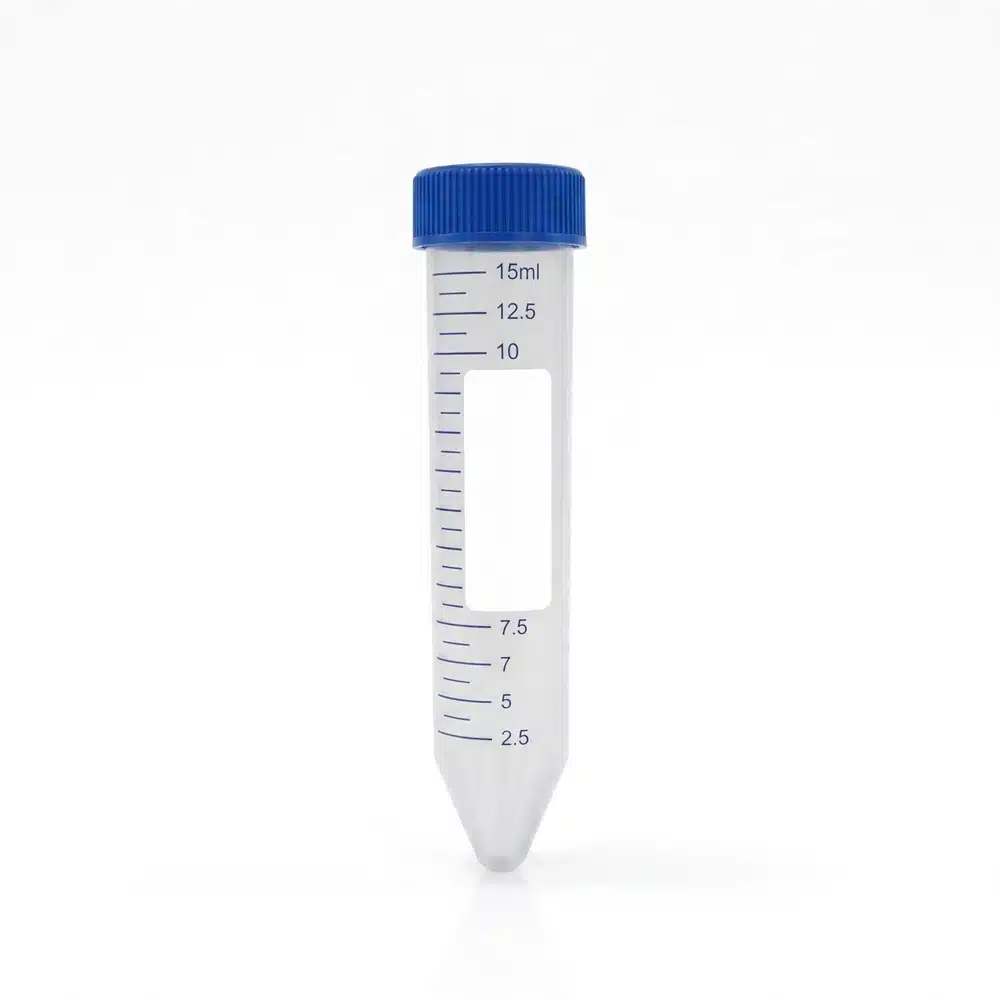
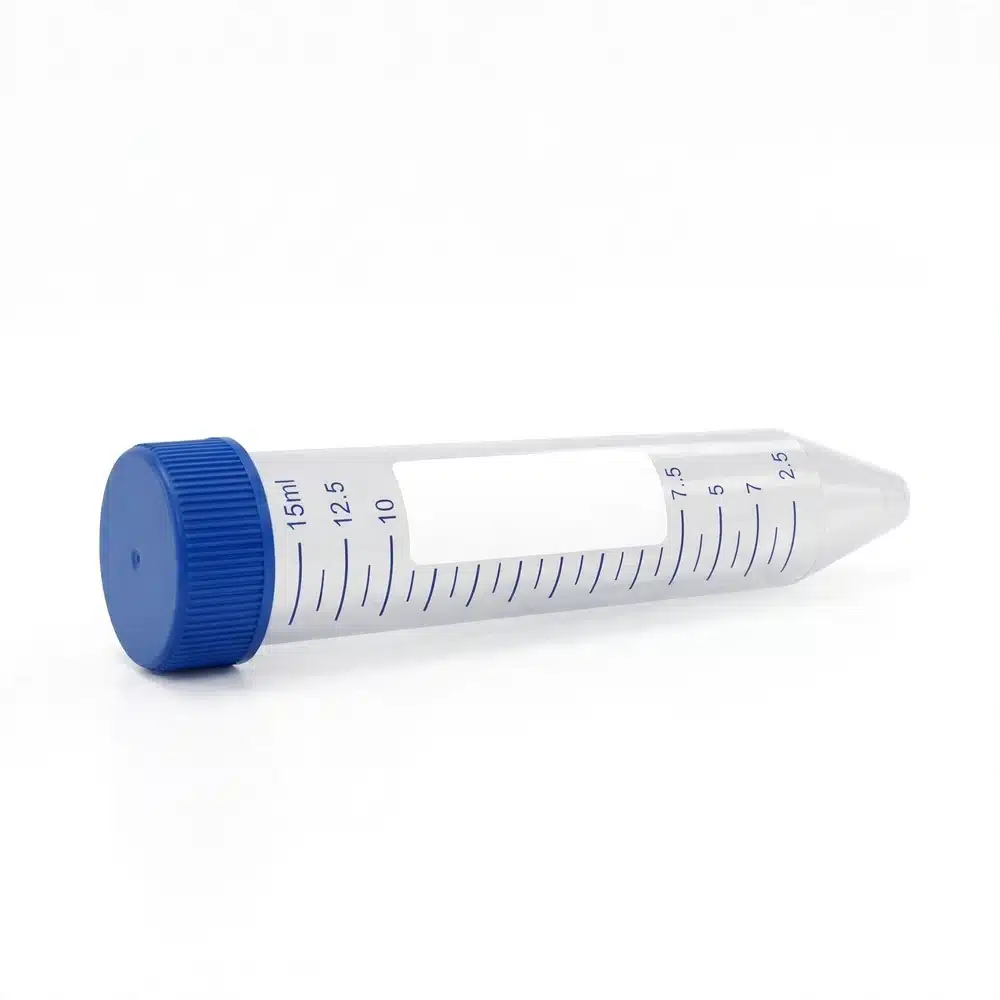
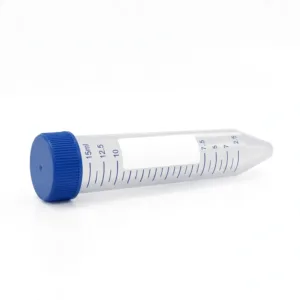
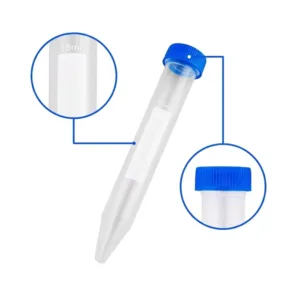
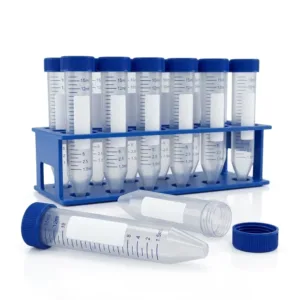
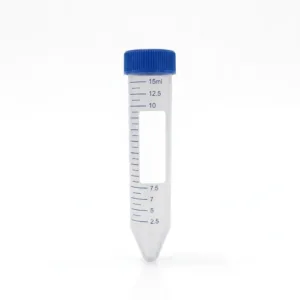
Polypropylene 15mL Conical Bottom Centrifuge Tube – Graduated Marks, Writing Patch, Blue Screw Cap
- 12,000 × g Rated: Spins safely in standard lab centrifuges for pelleting and separation.
- Graduated + Writing Patch: Printed volume marks and a frosted patch for clear sample labeling.
- Leak-Proof Screw Cap: Secure seal for storage, transport, and freezer use.
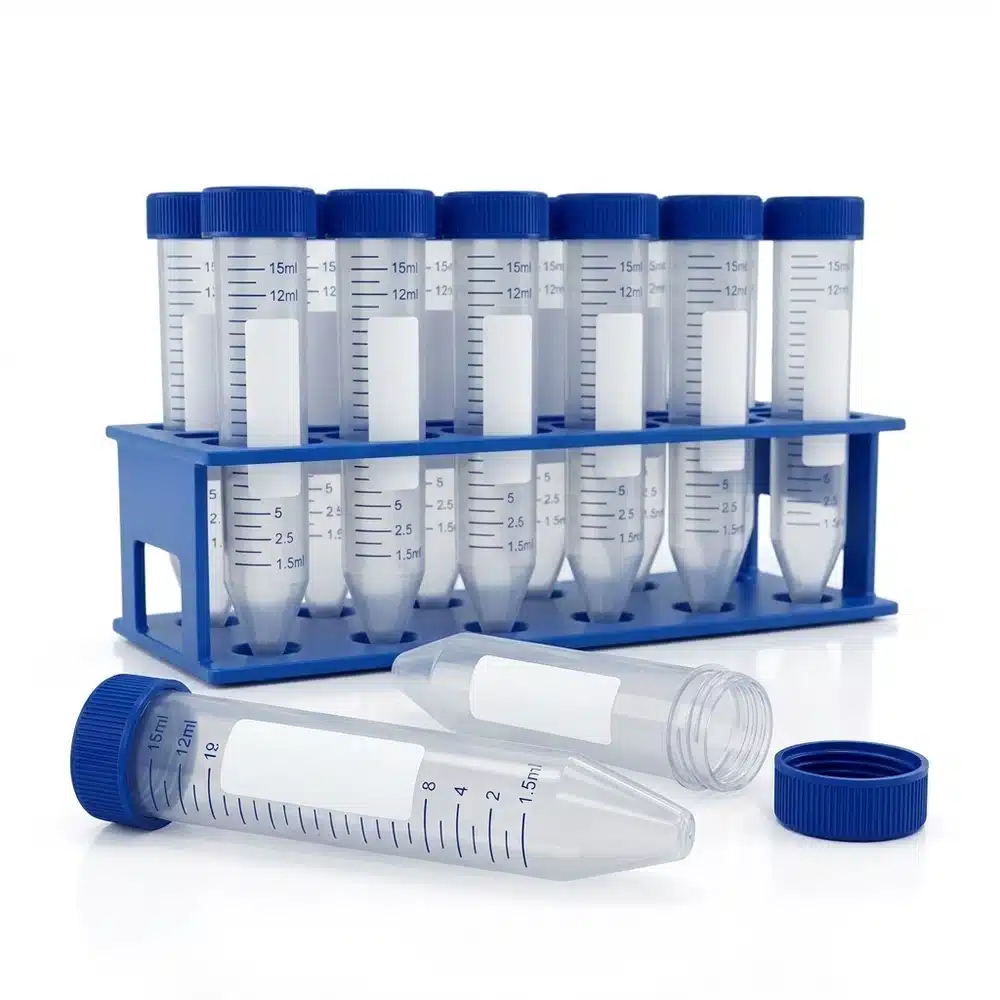
- Bulk Bag of 100: Economical polypropylene tubes for high-throughput labs.
Estimated delivery:1 day
Please, activate Waitlist option to use this widget.
Categories: Laboratory & Pharmaceuticals, Centrifuge Tubes
Tags: 15ml centrifuge tubes, 15ml conical tube, 15ml falcon tube style, 15ml sample tubes, conical centrifuge tube 15ml, disposable centrifuge tubes, graduated centrifuge tubes, lab centrifuge tubes Saudi Arabia, polypropylene centrifuge tubes, screw cap centrifuge tubes
 Polypropylene 15mL Conical Bot...
15ml Centrifuge Tubes – Polypropylene Conical Tubes with Screw Cap
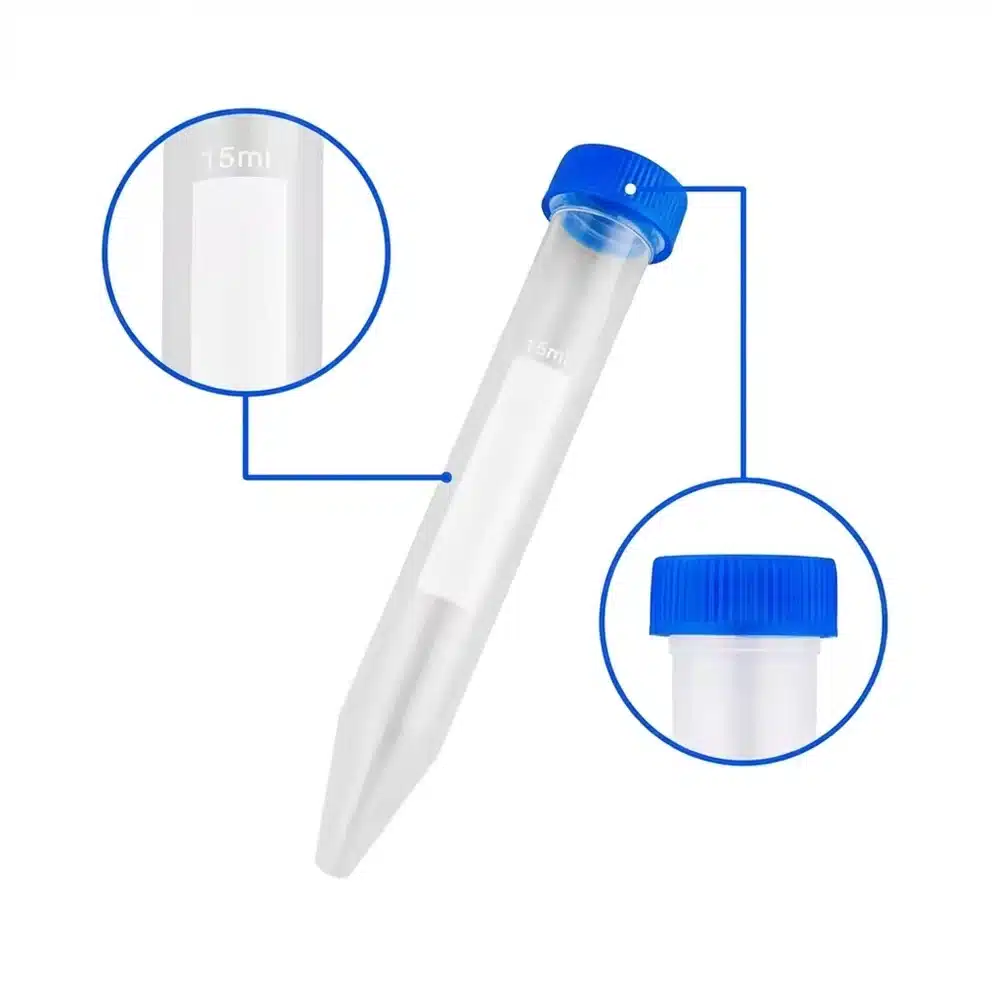
These 15ml centrifuge tubes are the everyday workhorse of the modern lab. Made from crystal-clear polypropylene with a conical bottom, printed graduations, and a frosted writing patch, each 15 ml polypropylene conical tube handles everything from sample collection to high-speed pelleting. A leak-proof blue screw cap keeps every sample sealed — on the bench, in the centrifuge, or in the freezer.
Why Labs Choose These 15mL Conical Tubes
The 15ml conical tube is the most reordered consumable in biology labs for a reason. Here is what these deliver:
- 12,000 × g centrifugation rating: Spins safely in standard laboratory centrifuges for cell pelleting, phase separation, and sample prep — no cracked tubes, no lost samples.
- Conical bottom for clean pellets: The tapered base concentrates your pellet in one spot, so you can pipette off the supernatant without disturbing it.
- Printed graduations: Bold, easy-to-read volume marks for quick, accurate aliquoting without a separate measuring cylinder.
- Frosted writing patch: A dedicated marking area that takes pen, marker, or label — no more mystery tubes in the rack.
- Leak-proof screw cap: The blue screw cap seals positively around the full circumference, so tubes can be stored on their side or shipped without leaks.
- Crystal-clear polypropylene: High-clarity PP lets you see sample levels, layers, and pellets at a glance, and resists most acids, bases, and solvents.
- Bulk bag of 100: Bagged packaging keeps the per-tube cost down for high-throughput labs that burn through boxes every week.
Key Safety Advantages
Centrifuge tubes fail at the worst moment — mid-spin, full of precious sample. These are built to avoid that:
- Rated, not guessed: The 12,000 × g maximum is a tested rating. Stay within it and the tube will not deform or burst in the rotor.
- Uniform wall thickness: Even walls distribute centrifugal force evenly, eliminating the weak spots that cause blowouts.
- Positive-seal cap: The screw cap will not pop under pressure changes, protecting both the sample and the centrifuge chamber.
- Chemical resistance: Polypropylene stands up to the reagents, buffers, and solvents used in daily protocols.
Cap, Graduation & Writing Patch
Small details decide whether a tube is a pleasure or a pain at the bench:
- Blue screw cap: Easy to grip and open one-handed, colour-coded for quick identification in a busy rack.
- Printed graduation marks: Permanent, high-contrast scale for fast volume checks during aliquoting and reagent prep.
- Frosted writing patch: Takes ballpoint, fine marker, and adhesive labels without smudging.
- Smooth interior: Polished inner walls release pellets cleanly and rinse out easily.
Technical Specifications
The key facts for these 15 ml polypropylene centrifuge tubes:
| Working volume | 15 mL |
|---|---|
| Product type | Polypropylene centrifuge tubes 15ml, conical bottom |
| Material | Polypropylene (PP), transparent |
| Base | Conical, non-skirted |
| Cap | Blue screw cap, leak-proof |
| Max RCF | 12,000 × g |
| Graduation | Yes — printed scale |
| Writing patch | Yes — frosted marking area |
| Packaging | 100 tubes per bag |
| Dimensions | ~17 mm OD × 120 mm length (industry standard) [TO CONFIRM] |
| Sterile | Not claimed — general lab use [TO CONFIRM] |
Where Labs Across Saudi Arabia Use Them
From Jeddah hospitals to Jubail industrial labs, the 15ml centrifuge tube is the consumable every lab restocks:
- Molecular biology labs: DNA/RNA prep, PCR setup, and sample archiving.
- Cell culture facilities: Cell pelleting, washing, and counting.
- Clinical diagnostics: Serum separation, urine sediment, and sample storage.
- Pharma QC: Reagent prep, stability samples, and analytical workflows.
- University research: KFUPM, KSU, and KAUST labs running daily protocols.
- Food & environmental testing: Sample collection, extraction, and centrifugation.
How to Use
Getting reliable results from 15ml conical centrifuge tubes is straightforward:
- Label first: Write the sample ID on the frosted writing patch before filling — it is much harder once the tube is wet.
- Fill: Pipette up to the 15 mL mark. Leave headspace if the sample will be frozen.
- Cap tightly: Screw the blue cap down firmly until sealed — check the seal before spinning.
- Balance: Load tubes in balanced pairs or use a balance tube with matched weight.
- Spin: Run at or below 12,000 × g in a compatible rotor with correct adapters.
- Recover: Pipette off the supernatant, leaving the conical pellet undisturbed — or resuspend and store.
Precautions & Safety Protocols
Disposable tubes are safe when the basics are respected:
- Never exceed 12,000 × g: Over-speeding deforms the tube and can damage the rotor.
- Use correct adapters: A 15 mL tube in the wrong adapter can crack under load — always match the rotor insert.
- Check caps before spinning: A loose cap leaks sample into the chamber and unbalances the rotor.
- Single use for critical work: These are disposable; reusing risks cross-contamination between samples.
- Chemical compatibility: PP resists most lab reagents but check compatibility with strong organic solvents before use.
Why Buy from AskA Solution
Consumables are only cheap if they arrive on time:
- Stock in Dammam: Bags of 100 ready to ship — no waiting on international freight.
- Bulk pricing: The more bags your lab burns through, the better the per-tube economics — ask for a quote.
- One supplier for the lab: Tubes, bottles, vials, and glassware on a single order, single delivery.
- Fast Saudi-wide delivery: Riyadh, Jeddah, Jubail, Yanbu — anywhere your lab operates.
FAQs
- What are 15ml centrifuge tubes used for?
They are the standard vessel for sample collection, cell pelleting, phase separation, and storage in biology, clinical, and QC labs. The conical bottom concentrates pellets for easy recovery. - What does 12,000 × g mean?
It is the maximum relative centrifugal force the tube is rated for — 12,000 times gravity. Always spin at or below this rating in a compatible rotor with the correct adapters. - Are these tubes sterile?
No — these are general-purpose non-sterile tubes for routine lab work. If your protocol needs sterile, RNase-free tubes, contact us about sterile options. - Can the tubes go in the freezer?
Yes. Polypropylene stays tough at freezer temperatures. Leave headspace when freezing liquids, and make sure the cap is tight. - Are they autoclavable?
Polypropylene generally tolerates autoclaving at 121°C, but as single-use consumables these are intended for disposable use. Confirm with your protocol. - What is the writing patch for?
The frosted patch is a dedicated labeling area — write sample IDs directly with pen or marker, or apply adhesive labels, without smudging. - How many tubes come in a pack?
100 tubes per bag. Bulk quantities are available — ask for a quote on multi-bag orders.
Keep your lab stocked with 15 ml centrifuge tubes that arrive fast and perform every spin. Contact AskA Solution today for bulk pricing and delivery across Saudi Arabia.
Be the first to review “Polypropylene 15mL Conical Bottom Centrifuge Tube – Graduated Marks, Writing Patch, Blue Screw Cap” Cancel reply
You must be logged in to post a review.
Related products


Sale!

Still Searching for the Right Product?
Let us know your exact requirements — we’ll make it happen.
This website uses cookies to improve your experience.
By using this website you agree to our Privacy Policy.
By using this website you agree to our Privacy Policy.
Ok, I am ready

Reviews
There are no reviews yet.