No products in the cart.

HVAC Solution
HVAC Technician in Saudi Arabia
HVAC Technician in Saudi Arabia: The climate in Saudi Arabia, with its scorching summers and...

+966 59 204 1946
No products in the cart.
In today’s rapidly evolving world, managing household expenses has become a significant concern for many homeowners. Among these, energy bills often stand out as a major variable, fluctuating wildly with the seasons and the demands of modern living. As energy costs continue their upward trajectory, understanding and optimizing your home’s energy consumption, particularly concerning heating, ventilation, and air conditioning (HVAC) systems, is no longer a luxury but a necessity. At Aska Solution, we recognize this challenge and are dedicated to guiding you through the labyrinth of modern HVAC solutions designed not only to enhance your comfort but also to deliver substantial home energy savings.
This comprehensive guide will unpack the latest advancements in HVAC technology, illustrating how smart, efficient, and integrated systems can transform your home’s energy profile. From intelligent controls that learn your habits to revolutionary heating and cooling methods, we’ll explain how these innovations translate into tangible savings and a reduced environmental footprint.
The rising cost of living is a constant topic of discussion, and few areas impact household budgets as directly as utility bills. For many, the monthly statement from their energy provider is a source of dread, particularly during peak heating and cooling seasons. This challenge is not merely about comfort; it’s about financial stability and environmental responsibility.
Several interconnected factors contribute to the relentless increase in utility costs. Global energy demand continues to climb, driven by population growth and industrial expansion. Supply chain disruptions, geopolitical events, and the fluctuating prices of fossil fuels—which still power a significant portion of our energy grids—directly impact what you pay per kilowatt-hour or therm. Furthermore, investments in aging infrastructure, the transition to renewable energy sources, and regulatory compliance costs are often passed on to consumers. These macroeconomic pressures mean that relying on outdated, inefficient systems is increasingly unsustainable, making the pursuit of energy efficient HVAC solutions paramount for long-term financial health. We continually monitor these trends to ensure our recommended HVAC solutions are future-proofed against such volatility.
While financial savings are a powerful motivator, the environmental impact of our energy consumption is an equally pressing concern. Traditional HVAC systems, particularly older models, often consume vast amounts of electricity or natural gas, contributing significantly to greenhouse gas emissions. The burning of fossil fuels releases carbon dioxide and other pollutants into the atmosphere, exacerbating climate change and diminishing air quality. As responsible citizens and homeowners, we have a collective duty to reduce our carbon footprint. Embracing sustainable HVAC practices and technologies like geothermal heating and heat pumps is a tangible step towards a greener future. It’s about more than just keeping your home comfortable; it’s about ensuring a healthier planet for generations to come.
Many homes still rely on conventional, single-stage HVAC systems that operate at full capacity whenever they turn on, regardless of the actual need. These systems cycle on and off frequently, leading to several inefficiencies.
First, they consume a surge of energy each time they start up. Second, they often create uneven temperatures throughout the home, leading to hot and cold spots because they can’t precisely match output to demand. This often prompts homeowners to lower or raise the thermostat unnecessarily, wasting energy. Third, older systems typically have lower Seasonal Energy Efficiency Ratio (SEER) ratings, indicating that a significant portion of the energy they consume is lost as waste. They lack the sophisticated controls, variable-speed capabilities, and smart integration that define modern HVAC solutions, leaving homeowners vulnerable to high bills and suboptimal comfort. Our field engineering team often observes these inefficiencies during our on-site consultations, consistently recommending upgrades to unlock genuine home energy savings.
The world of heating and cooling has undergone a profound transformation. What was once a basic necessity has evolved into an intricate ecosystem of intelligent, interconnected technologies designed for unparalleled comfort and efficiency. Understanding this evolution is key to making informed decisions about your home’s climate control.
For decades, HVAC meant a simple thermostat that turned your furnace or air conditioner on or off. Today, the landscape is dramatically different. Modern HVAC solutions are no longer just about regulating temperature; they’re about creating an optimal indoor environment that adapts to your lifestyle, conserves energy, and even contributes to your well-being. This shift has been driven by advancements in digital controls, sensor technology, and artificial intelligence, moving us from reactive temperature management to proactive, predictive climate control. Our goal at Aska Solution is to empower you with systems that think for themselves, offering effortless comfort and significant home energy savings.
The current generation of HVAC technology is defined by a suite of innovations that dramatically improve performance and efficiency.
These innovations collectively redefine what’s possible for home comfort and efficiency, driving down operational costs and promoting a healthier living space.
The integration of HVAC into the broader smart home ecosystem is perhaps one of the most exciting developments. Connected home systems allow various devices—from lighting and security to entertainment and climate control—to communicate and operate synergistically. For HVAC, this means your system can respond to cues from other smart devices: dimming lights might signal you’re winding down for the night, prompting the thermostat to adjust for sleep. Geofencing can coordinate with your smart lock to prepare your home’s temperature before you arrive. This level of interconnectedness not only simplifies management through centralized control via smartphone apps but also unlocks new levels of efficiency and convenience. These truly smart HVAC solutions represent the pinnacle of modern home automation, providing unparalleled control and optimizing home energy savings through intelligent automation.
Gone are the days of simple on/off switches. Modern climate control is largely orchestrated by intelligent devices known as smart thermostats, which are the central nervous system of contemporary HVAC solutions. These devices leverage artificial intelligence (AI) to bring unprecedented levels of comfort and efficiency to your home.
At the core of a smart thermostat’s capability is its learning algorithm, powered by AI. When you first install a smart thermostat, it begins a period of observation, noting your manual adjustments to temperature settings. Over time, it identifies patterns: when you typically wake up, leave for work, return home, and go to bed. It also considers factors like the outdoor temperature and humidity, how quickly your home heats or cools, and even local weather forecasts.
Based on this data, the AI generates an optimized schedule that anticipates your needs, ensuring your home is comfortable precisely when you need it to be, without wasting energy when you’re away or asleep. This predictive capacity is critical for achieving consistent home energy savings. For instance, it might preemptively cool your home during off-peak energy hours or slightly adjust the temperature during the day when you’re not there.
“Many homeowners are surprised by how quickly a smart thermostat adapts. We’ve seen instances where, after just a few weeks, the system intuitively manages comfort levels, often better than manual adjustments, leading to significant drops in energy consumption without any perceived loss of comfort.” – Emily Chen, Smart Home Integrator
One of the most powerful features of smart thermostats is their ability to integrate with your location data through geofencing. This technology creates a virtual perimeter around your home using your smartphone’s GPS. As you leave this perimeter, your smart thermostat can automatically switch to an energy-saving “away” mode. When you re-enter it, the system can begin to adjust the temperature to your preferred comfort level, ensuring your home is welcoming upon arrival.
Beyond geofencing, remote control via a smartphone app offers unparalleled convenience. Stuck late at work? You can delay your system’s “home” schedule with a tap. Coming home early? You can initiate the cooling or heating cycle before you even step through the door. This level of granular control ensures that you’re only paying to condition your home when it’s necessary, directly contributing to substantial home energy savings.
The true power of smart thermostats is fully unleashed when they integrate seamlessly into a broader smart home ecosystem. They can communicate with other smart devices, such as smart lighting, window sensors, and even voice assistants. For example, if a smart window sensor detects that a window has been left open, the thermostat can pause the HVAC system to prevent wasted energy. Voice commands through devices like Amazon Alexa or Google Assistant allow for effortless temperature adjustments without even needing to touch the thermostat itself. This interconnectedness allows for holistic management of your home’s environment, enhancing comfort, security, and above all, energy efficiency. These integrated HVAC solutions are not just gadgets; they are components of a sophisticated, responsive living space that actively works to reduce your energy footprint and bolster your home energy savings.
One of the most significant advancements in modern energy efficient HVAC systems is variable-speed technology. Unlike traditional single-stage systems that operate in an all-or-nothing fashion, variable-speed components offer precise control over heating and cooling output, leading to superior comfort and remarkable energy savings.
In a conventional HVAC system, the compressor (the heart of the air conditioner or heat pump) and the furnace fan operate at a single, fixed speed – full blast. When your thermostat calls for cooling or heating, these components kick on at maximum power until the desired temperature is reached, then shut off. This constant cycling creates temperature swings, noise, and significant energy consumption during startup.
Variable speed HVAC systems, however, employ sophisticated motors and controls that allow the compressor and fan to operate at a wide range of speeds and capacities. Instead of just “on” or “off,” they can run at 20%, 40%, 60%, or even 100% capacity, continuously adjusting to meet the exact demands of your home. This means they can gently maintain your desired temperature without constant stops and starts, providing a much more consistent and comfortable environment.
The ability of variable speed HVAC systems to operate continuously at lower speeds offers numerous advantages beyond simple temperature control.
We once had a client in a large, older home who was constantly battling uneven temperatures and exorbitant energy bills, especially during the extreme summer heat. Their traditional single-stage AC unit struggled to maintain comfort, and they felt compelled to set the thermostat uncomfortably low. After consulting with Aska Solution, we recommended a complete overhaul to a variable-speed air conditioning system with a compatible furnace. The transformation was remarkable.
Initially skeptical, the homeowner reported feeling comfortable with their thermostat set 3-4 degrees higher than before, thanks to the improved dehumidification and consistent airflow. Their monthly energy bills saw a reduction of nearly 30% in the first year, significantly contributing to their home energy savings. The system’s quiet operation and consistent comfort were unexpected bonuses. This anecdote perfectly illustrates the tangible benefits that variable speed HVAC technology can deliver in real-world applications, making it a cornerstone of modern, sustainable HVAC strategies.
Imagine a home where every family member can enjoy their preferred temperature without affecting others, and where you’re not paying to heat or cool empty rooms. This is the promise of zoned climate control, a sophisticated approach to energy efficient HVAC that delivers personalized comfort and targeted home energy savings.
A traditional HVAC system treats your entire house as a single zone, delivering conditioned air uniformly. This often means rooms on the sunny side of the house get too hot, while shaded rooms are too cold, or unused guest rooms are heated to the same temperature as your living area.
Zoned climate control divides your home into two or more distinct areas, or “zones,” each with its own thermostat. These thermostats communicate with a central control panel that manages motorized dampers within your ductwork. When a zone calls for heating or cooling, the system directs conditioned air only to that specific zone by opening the appropriate dampers and closing others. This means you can have your bedroom at 70°F, the living room at 72°F, and the guest room at an energy-saving 65°F if it’s unoccupied. This level of precise control is a hallmark of truly smart HVAC solutions.
The primary benefit of zoned climate control is its remarkable ability to eliminate energy waste. In most homes, there are rooms that are frequently unoccupied—guest bedrooms, formal dining rooms, basements, or home offices during evenings. With a single-zone system, these areas are heated or cooled unnecessarily, draining energy and inflating bills.
By implementing zoning, you can significantly reduce the energy used to condition these empty spaces. For example, you can program the thermostat for an unoccupied zone to maintain a higher temperature in summer or a lower temperature in winter, only adjusting it to a comfort setting when that zone is in use. This strategic targeting of heating and cooling resources directly translates into substantial home energy savings, often reducing energy consumption by 20-30% in larger homes. Our field technicians frequently recommend zoned climate control as one of the most effective strategies for maximizing efficiency in homes with diverse usage patterns.
Installing zoned climate control in an existing home requires careful planning and professional expertise. While simpler in new construction, retrofitting can be complex, especially in homes with older or inadequately sized ductwork.
Key considerations include:
At Aska Solution, our certified professionals conduct thorough home assessments to determine the feasibility and optimal design for zoned climate control, ensuring a seamless integration that maximizes comfort and provides excellent home energy savings.
For homeowners seeking the ultimate in sustainable HVAC and energy efficient HVAC, geothermal heating and advanced heat pumps represent the pinnacle of climate control technology. These systems leverage natural thermal energy to provide heating and cooling, offering unparalleled efficiency and environmental benefits.
Geothermal heating and cooling systems tap into the stable temperature of the earth just a few feet below the surface. Below ground, temperatures remain relatively constant year-round, typically between 45°F and 75°F (7°C and 24°C), regardless of the scorching summer heat or freezing winter cold above.
A geothermal system consists of an indoor heat pump unit and an outdoor ground loop system. In winter, a fluid (usually water mixed with antifreeze) circulates through the underground loops, absorbing heat from the earth. This warmed fluid then travels to the indoor heat pump, which concentrates the heat and distributes it throughout your home. In summer, the process reverses: the system extracts heat from your home’s indoor air and transfers it to the cooler ground, where it is dissipated.
Because these systems merely transfer heat rather than generate it through combustion, they are incredibly efficient. For every unit of electricity used to power the system, a geothermal heat pump can deliver three to five units of heating or cooling energy, making them among the most energy efficient HVAC options available. This results in significant home energy savings and a drastically reduced carbon footprint.
While geothermal heating offers peak efficiency, advancements in air-source heat pumps have made them a highly competitive and accessible option for many homes. Modern air-source heat pumps can extract heat from outdoor air even when temperatures drop well below freezing, thanks to innovations like variable-speed compressors, enhanced refrigerants, and inverter technology.
These advanced heat pumps can effectively provide both heating and cooling for your home. During the heating season, they absorb heat from the outside air (even cold air contains thermal energy) and transfer it indoors. In warmer months, they reverse the process, moving heat from inside your home to the outdoors. The latest models, often referred to as cold-climate heat pumps, are designed to operate efficiently in regions that historically relied solely on furnaces. They offer a compelling balance of installation cost, operational efficiency, and environmental benefits, making them a cornerstone of modern sustainable HVAC strategies.
Despite their efficiency, heat pumps sometimes face misconceptions.
At Aska Solution, we educate our clients on the realities and incredible benefits of these cutting-edge HVAC solutions, helping them embrace a truly sustainable HVAC future.
Beyond temperature control, the quality of the air you breathe inside your home is paramount for health and comfort. Modern HVAC solutions are increasingly incorporating sophisticated indoor air quality systems that address pollutants, allergens, and humidity, all while maintaining energy efficiency.
We spend approximately 90% of our lives indoors, and the air inside our homes can often be two to five times more polluted than outdoor air. Sources of indoor air pollution include pet dander, dust mites, pollen, mold spores, volatile organic compounds (VOCs) from building materials and cleaning products, and even viruses and bacteria. Poor indoor air quality systems can lead to a range of health issues, from allergies and asthma exacerbation to fatigue and respiratory problems. Recognizing this, modern HVAC solutions are designed to not only heat and cool but also purify the air, making IAQ a critical component of a truly healthy home.
Moving beyond basic furnace filters, modern indoor air quality systems offer comprehensive whole-home solutions:
Integrating these components creates a holistic approach to IAQ, providing a cleaner, healthier, and more comfortable living environment.
The challenge with introducing fresh air into a home is that it often means bringing in unconditioned air that needs to be heated or cooled, potentially increasing energy consumption. This is where modern indoor air quality systems, particularly HRVs and ERVs, excel.
By recovering heat and/or moisture from the outgoing air and transferring it to the incoming fresh air, HRVs and ERVs significantly reduce the energy penalty associated with ventilation. This means you can enjoy a continuous supply of fresh, filtered air without overburdening your HVAC system or compromising your home energy savings. This intelligent balance between air quality and energy conservation is a hallmark of sophisticated, sustainable HVAC design, ensuring that health and efficiency go hand-in-hand.
The integration of the Internet of Things (IoT) into HVAC solutions marks a pivotal shift from reactive repairs to proactive, predictive HVAC maintenance. This allows your system to communicate its needs, ensuring optimal performance and preventing costly breakdowns before they occur.
IoT-enabled HVAC systems are equipped with a network of sensors that continuously monitor various operational parameters: refrigerant pressure, coil temperatures, fan speeds, airflow, motor vibrations, and more. This data is collected and transmitted wirelessly to a central hub, often accessible via a smartphone app or a web portal.
When a sensor detects a deviation from normal operating parameters—for example, a gradual drop in refrigerant pressure, an unusual vibration in the fan motor, or a clogged filter reducing airflow—the system can generate an alert. This “early warning sign” can be sent directly to you, your HVAC service provider, or both. This allows for timely intervention, addressing minor issues before they escalate into major, expensive failures. Such predictive HVAC maintenance is invaluable for protecting your investment and ensuring uninterrupted comfort. Our monitoring systems have saved countless clients from unexpected outages.
The traditional approach to HVAC maintenance often involves waiting until a problem becomes evident (e.g., the AC stops cooling) before calling a technician. By then, the damage might be significant, requiring more extensive and costly repairs, or even premature system replacement.
Predictive HVAC maintenance, facilitated by IoT, flips this model on its head. By identifying nascent issues, technicians can schedule service visits to perform targeted maintenance tasks, such as recharging refrigerant, cleaning a specific component, or replacing a worn belt. This proactive approach leads to several benefits:
The future of smart HVAC diagnostics is even more advanced. AI and machine learning algorithms are being integrated to analyze vast datasets from millions of HVAC systems. This allows for even more sophisticated pattern recognition, identifying subtle anomalies that human technicians might miss. These systems will be able to predict specific component failures with high accuracy, often weeks or months in advance.
Furthermore, remote diagnostics will become standard. Technicians will be able to access detailed system data remotely, often diagnosing problems before arriving on-site, bringing the correct parts, and resolving issues more quickly. This level of insight and automation will transform how we maintain and interact with our home climate control, making truly sustainable HVAC systems smarter, more reliable, and more affordable to operate than ever before.
Even with advanced IoT and predictive capabilities, occasional issues can arise. Here are 2-3 common problems and how we typically approach them:
Solution: We first advise checking your home’s Wi-Fi network. Ensure the router is working and the signal strength at the thermostat is adequate. Often, a simple reboot of the router and then the thermostat (by turning off the breaker for a few minutes) can re-establish the connection. If the issue persists, we’ll verify network settings or, in rare cases, troubleshoot the thermostat’s internal Wi-Fi module, ensuring your HVAC solutions remain connected.
Solution: This can be due to placement (e.g., near a draft, direct sunlight, or heat-generating appliance) or a buildup of dust affecting internal sensors. We recommend ensuring the thermostat isn’t in a compromised location and gently cleaning its exterior. If the discrepancy continues, recalibration or a sensor diagnostic check may be necessary. Our technicians can perform these adjustments, ensuring your zoned climate control and other features operate with precision.
* Solution: Beyond Wi-Fi connection, this could be a communication breakdown between the thermostat and the HVAC unit itself. We’d check the low-voltage wiring connections at both the thermostat and the HVAC control board. Sometimes, a tripped breaker to the HVAC unit or a power outage to the indoor/outdoor unit could also be the culprit. Our extensive experience with integrating complex HVAC solutions allows us to quickly pinpoint and resolve such communication failures.
Investing in modern HVAC solutions is a significant decision, and understanding the financial returns is crucial. While the upfront cost may seem higher, the long-term home energy savings and enhanced comfort often make it a wise investment.
The return on investment (ROI) for modern energy efficient HVAC upgrades is influenced by several key factors:
When evaluating new HVAC solutions, you’ll encounter several important efficiency ratings:
| Rating Metric | Applies To | Measures | Higher Value Indicates | Typical Range (New Units) |
|---|---|---|---|---|
| SEER (Seasonal Energy Efficiency Ratio) | Air Conditioners, Heat Pumps (Cooling) | Seasonal cooling efficiency | Greater Energy Efficiency | 13 – 30+ |
| EER (Energy Efficiency Ratio) | Air Conditioners, Heat Pumps (Cooling) | Peak cooling efficiency | Greater Energy Efficiency | 8 – 15+ |
| HSPF (Heating Seasonal Performance Factor) | Heat Pumps (Heating) | Seasonal heating efficiency | Greater Heating Efficiency | 8.2 – 13+ |
To encourage the adoption of energy efficient HVAC systems and promote sustainable HVAC, federal, state, and local governments, as well as utility companies, often offer incentives. These can significantly reduce the upfront cost of your investment.
It’s crucial to research the available incentives in your area for [year]. We at Aska Solution can help you navigate these programs, ensuring you take full advantage of every opportunity to reduce the cost of your new HVAC solutions and maximize your home energy savings.
Selecting the ideal modern HVAC solutions for your property involves more than just picking a brand. It requires a thoughtful assessment of your home’s unique characteristics, your lifestyle, and your long-term goals for comfort and efficiency.
Every home is different, and what works for one might not be ideal for another. Before considering any upgrades, we recommend a thorough assessment that takes into account:
A comprehensive evaluation of these factors provides the foundation for recommending the most suitable and cost-effective HVAC solutions.
Given the complexity and significant investment involved in modern HVAC upgrades, professional consultation is not just recommended, it’s essential.
An experienced HVAC professional from Aska Solution will:
Our expertise ensures that you receive impartial advice and a solution perfectly matched to your home, guaranteeing optimal performance and maximizing your home energy savings.
For some homeowners, a complete system overhaul may not be immediately feasible. In such cases, prioritizing upgrades for maximum impact is a smart strategy.
By strategically prioritizing these upgrades, you can gradually transform your home into a more energy efficient HVAC environment, steadily accumulating home energy savings over time.
The decisions you make about your home’s HVAC system today will have long-lasting implications, not just for your wallet but also for the environment. Investing in modern, sustainable HVAC is about more than just current comfort; it’s about preparing your home for the future.
As climate patterns become more unpredictable, with more frequent and intense heatwaves and cold snaps, the demand on our HVAC systems will only increase. Future-proofing your home means installing HVAC solutions that can efficiently handle these extremes. High-efficiency systems like variable speed HVAC units, geothermal heating, and advanced heat pumps are designed for robust performance under varying conditions, ensuring your comfort even as the climate shifts.
Furthermore, energy regulations are continuously evolving. Governments worldwide are pushing for stricter energy efficiency standards and a transition away from fossil fuels. By investing in energy efficient HVAC now, you are staying ahead of potential mandates and positioning your home to meet future requirements, avoiding costly retrofits down the line. Our solutions are designed with these long-term trends in mind, ensuring compliance and peace of mind.
In today’s real estate market, energy efficiency is a highly sought-after feature. Homebuyers are increasingly aware of the long-term costs of home ownership and are willing to pay a premium for properties with modern, energy efficient HVAC systems. A high-efficiency furnace, a smart thermostat, zoned climate control, or a geothermal heating system can significantly enhance your home’s market appeal and appraisal value.
Beyond the intrinsic value, modern HVAC systems contribute to a healthier, more comfortable living environment, which are desirable qualities for any homeowner. The peace of mind that comes with lower energy bills and a reduced environmental footprint is a powerful selling point, making your investment in sustainable HVAC a tangible asset that pays dividends both during your ownership and upon resale.
Adopting sustainable HVAC solutions is a fundamental step towards an eco-friendly lifestyle. It represents a commitment to reducing your household’s carbon footprint and minimizing reliance on fossil fuels. When you choose an advanced heat pump or geothermal heating system, you’re not just saving money; you’re actively contributing to a cleaner environment. These systems are significantly more efficient than traditional furnaces and air conditioners, and when powered by renewable electricity sources, they can offer virtually carbon-free heating and cooling. The long-term vision is a future where homes are not just comfortable but also harmonious with the planet, a goal we at Aska Solution are passionate about helping you achieve through cutting-edge HVAC solutions.
Embarking on the journey to a more energy-efficient and comfortable home can seem daunting, but with the right guidance, it’s a straightforward process that yields significant rewards. Aska Solution is here to partner with you every step of the way.
The first and most crucial step is to get a professional energy audit of your home. This comprehensive assessment goes beyond just your HVAC system; it evaluates your entire home’s energy performance, including insulation, windows, doors, and air sealing. An energy auditor uses specialized tools like blower doors and infrared cameras to pinpoint areas of energy loss. The audit will provide you with a detailed report outlining specific recommendations for improvements, including potential HVAC solutions upgrades, with estimated costs and projected home energy savings. This objective assessment forms the foundation for making informed decisions about where to invest your resources for maximum impact.
We understand that investing in modern HVAC solutions can involve a significant upfront cost. However, there are numerous financing options available to make these upgrades more accessible:
Our team at Aska Solution can help you explore these options, connecting you with resources and ensuring you find a financing solution that fits your budget, allowing you to move forward with your sustainable HVAC plans.
Once you’ve installed your new, modern HVAC solutions, the benefits will become immediately apparent. You’ll experience a consistent, comfortable indoor environment, free from drafts and temperature swings, thanks to innovations like variable speed HVAC and zoned climate control. Your indoor air quality systems will ensure a healthier living space, reducing allergens and pollutants. And perhaps most satisfyingly, you’ll see a noticeable reduction in your monthly energy bills, directly reflecting your smart investment in energy efficient HVAC technology. These ongoing home energy savings will contribute to your financial well-being year after year, proving that comfort and cost-efficiency can indeed go hand-in-hand. We are proud to deliver solutions that consistently enhance the quality of life for our clients.
The journey to a truly energy-efficient home is an investment in your comfort, your finances, and our planet’s future. Modern HVAC solutions offer an incredible array of technologies—from smart thermostats and variable speed HVAC to geothermal heating and advanced heat pumps—all designed to optimize performance, enhance indoor air quality systems, and deliver substantial home energy savings. By embracing these innovations and committing to predictive HVAC maintenance, you’re not just upgrading a system; you’re transforming your home into a smarter, healthier, and more sustainable living space. We are confident that with the right HVAC solutions, you can slash your energy bills and enjoy unparalleled comfort for years to come.
Q1: How much can I really save with modern HVAC solutions?
A1: The actual savings vary greatly depending on your existing system’s age and efficiency, your home’s insulation, your local climate, and energy costs. However, homeowners upgrading from older, less efficient systems to modern energy efficient HVAC (like 20+ SEER ACs, high-HSPF heat pumps, or geothermal heating) often report 20-50% reductions in their heating and cooling costs. Integrating smart thermostats and zoned climate control can further boost these home energy savings. A professional energy audit will provide a more precise estimate for your specific situation.
Q2: Are smart thermostats difficult to install and use?
A2: Most smart thermostats are designed for relatively easy DIY installation for those comfortable with basic wiring, and many provide clear, step-by-step app-guided instructions. However, for seamless integration and optimal performance with advanced HVAC solutions, professional installation is often recommended, especially if you have a multi-stage or zoned system. Once installed, their intuitive apps and learning algorithms make them very user-friendly, actively working to optimize your comfort and home energy savings without constant manual adjustments.
Q3: What’s the typical lifespan of modern HVAC solutions like heat pumps or variable-speed systems?
A3: The lifespan of modern HVAC solutions can vary but generally falls within certain ranges. A well-maintained conventional air conditioner or furnace typically lasts 10-15 years. High-efficiency variable speed HVAC systems and heat pumps are often built with more durable components and can last 15-20 years, sometimes longer, especially with regular predictive HVAC maintenance. Geothermal heating systems, with their underground loops, have an even longer lifespan, often exceeding 25-50 years for the ground loop itself, while the indoor heat pump unit typically lasts 20-25 years.
Q4: Is it worth upgrading to a geothermal system, given the higher upfront cost?
A4: While geothermal heating systems do have a higher initial installation cost compared to traditional HVAC or even air-source heat pumps, they offer the lowest operating costs due to their exceptional efficiency (300-500% efficiency is common). This leads to substantial long-term home energy savings. When combined with available federal tax credits and potential state/local rebates, the payback period can be surprisingly quick, often 5-10 years. After that, you enjoy decades of significantly lower energy bills and a much smaller carbon footprint, making it an excellent investment for sustainable HVAC and long-term home value.
Q5: How important is indoor air quality in modern HVAC systems?
A5: Indoor air quality systems are incredibly important and are becoming a standard feature in modern HVAC solutions. Poor indoor air quality can contribute to health issues like allergies, asthma, and respiratory problems. Modern systems go beyond basic filtration to include high-MERV filters, UV lights, and whole-home ventilation systems (HRVs/ERVs) that introduce fresh air while maintaining energy efficient HVAC operation. Prioritizing IAQ ensures not only comfort but also the health and well-being of your household.
Q6: What is predictive HVAC maintenance, and why is it beneficial?
A6: Predictive HVAC maintenance utilizes sensors and IoT technology within your HVAC solutions to continuously monitor system performance and identify potential issues before they lead to breakdowns. Instead of waiting for something to fail, the system “predicts” when maintenance is needed. This proactive approach helps reduce costly emergency repairs, extends the lifespan of your equipment, ensures your system always operates at peak efficiency (maximizing home energy savings), and provides greater peace of mind, knowing your system is less likely to unexpectedly stop working.
Don’t forget to share it
Related Articles
HVAC Technician in Saudi Arabia

Your Fall 2024 HVAC Maintenance Checklist in Saudi Arabia

Cleaning the HVAC Air Filter and Why It’s Important in Saudi Arabia

The Best HVAC Repair and Maintenance Service in KSA

Commercial HVAC Service in Dammam KSA
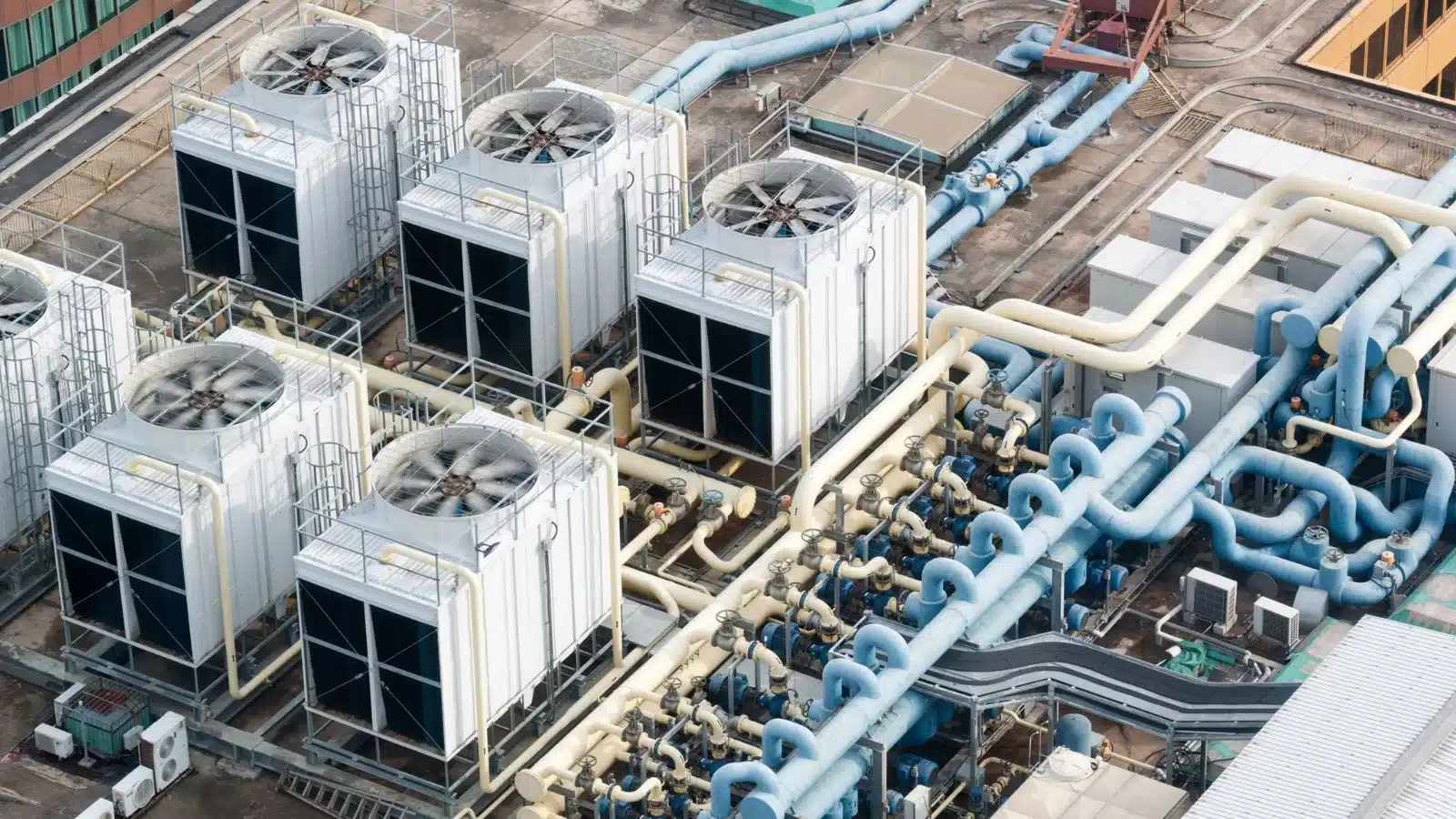
Different Types of Commercial HVAC Equipment in Saudi Arabia
AskA Solution
We firmly believe that the internet should be available and accessible to anyone, and are committed to providing a website that is accessible to the widest possible audience, regardless of circumstance and ability.
To fulfill this, we aim to adhere as strictly as possible to the World Wide Web Consortium’s (W3C) Web Content Accessibility Guidelines 2.1 (WCAG 2.1) at the AA level. These guidelines explain how to make web content accessible to people with a wide array of disabilities. Complying with those guidelines helps us ensure that the website is accessible to all people: blind people, people with motor impairments, visual impairment, cognitive disabilities, and more.
This website utilizes various technologies that are meant to make it as accessible as possible at all times. We utilize an accessibility interface that allows persons with specific disabilities to adjust the website’s UI (user interface) and design it to their personal needs.
Additionally, the website utilizes an AI-based application that runs in the background and optimizes its accessibility level constantly. This application remediates the website’s HTML, adapts Its functionality and behavior for screen-readers used by the blind users, and for keyboard functions used by individuals with motor impairments.
If you’ve found a malfunction or have ideas for improvement, we’ll be happy to hear from you. You can reach out to the website’s operators by using the following email
Our website implements the ARIA attributes (Accessible Rich Internet Applications) technique, alongside various different behavioral changes, to ensure blind users visiting with screen-readers are able to read, comprehend, and enjoy the website’s functions. As soon as a user with a screen-reader enters your site, they immediately receive a prompt to enter the Screen-Reader Profile so they can browse and operate your site effectively. Here’s how our website covers some of the most important screen-reader requirements, alongside console screenshots of code examples:
Screen-reader optimization: we run a background process that learns the website’s components from top to bottom, to ensure ongoing compliance even when updating the website. In this process, we provide screen-readers with meaningful data using the ARIA set of attributes. For example, we provide accurate form labels; descriptions for actionable icons (social media icons, search icons, cart icons, etc.); validation guidance for form inputs; element roles such as buttons, menus, modal dialogues (popups), and others. Additionally, the background process scans all the website’s images and provides an accurate and meaningful image-object-recognition-based description as an ALT (alternate text) tag for images that are not described. It will also extract texts that are embedded within the image, using an OCR (optical character recognition) technology. To turn on screen-reader adjustments at any time, users need only to press the Alt+1 keyboard combination. Screen-reader users also get automatic announcements to turn the Screen-reader mode on as soon as they enter the website.
These adjustments are compatible with all popular screen readers, including JAWS and NVDA.
Keyboard navigation optimization: The background process also adjusts the website’s HTML, and adds various behaviors using JavaScript code to make the website operable by the keyboard. This includes the ability to navigate the website using the Tab and Shift+Tab keys, operate dropdowns with the arrow keys, close them with Esc, trigger buttons and links using the Enter key, navigate between radio and checkbox elements using the arrow keys, and fill them in with the Spacebar or Enter key.Additionally, keyboard users will find quick-navigation and content-skip menus, available at any time by clicking Alt+1, or as the first elements of the site while navigating with the keyboard. The background process also handles triggered popups by moving the keyboard focus towards them as soon as they appear, and not allow the focus drift outside it.
Users can also use shortcuts such as “M” (menus), “H” (headings), “F” (forms), “B” (buttons), and “G” (graphics) to jump to specific elements.
We aim to support the widest array of browsers and assistive technologies as possible, so our users can choose the best fitting tools for them, with as few limitations as possible. Therefore, we have worked very hard to be able to support all major systems that comprise over 95% of the user market share including Google Chrome, Mozilla Firefox, Apple Safari, Opera and Microsoft Edge, JAWS and NVDA (screen readers).
Despite our very best efforts to allow anybody to adjust the website to their needs. There may still be pages or sections that are not fully accessible, are in the process of becoming accessible, or are lacking an adequate technological solution to make them accessible. Still, we are continually improving our accessibility, adding, updating and improving its options and features, and developing and adopting new technologies. All this is meant to reach the optimal level of accessibility, following technological advancements. For any assistance, please reach out to
We have received your inquiry and our team will review your requested items and get back to you as soon as possible.