No products in the cart.

Painting Solution
The Best Industrial Painting ideas in Saudi Arabia
Industrial Painting ideas in Saudi Arabia: When it comes to giving your property a fresh...

+966 59 204 1946
No products in the cart.
In today’s competitive industrial and commercial landscapes, the demand for superior finishes goes far beyond aesthetics. It’s about protection, longevity, operational efficiency, and a powerful brand statement. At Aska Solution, we recognize that conventional methods are no longer sufficient to meet the rigorous standards of modern projects. We’re witnessing a significant paradigm shift in how companies approach coating applications, driven by the need for unprecedented speed, unwavering precision, and unparalleled durability. This evolution necessitates a deep dive into advanced painting solutions that redefine what’s possible.
For years, we’ve partnered with clients across diverse sectors, observing first-hand the transformative impact of adopting cutting-edge technologies. Our multi-disciplinary operational capabilities allow us to not only recommend but also implement comprehensive strategies that deliver flawless finishes, optimize processes, and extend the lifespan of critical assets. This article explores the seven game-changing painting solutions that are setting new benchmarks in the industry, alongside a holistic strategy for their effective integration. From meticulous surface preparation optimization to the latest in paint technology, these innovations are designed to elevate your projects and safeguard your investments for years to come.
The foundation of any truly flawless finish lies in impeccable surface preparation. Without it, even the most sophisticated industrial coatings will fail prematurely. At Aska Solution, we consistently emphasize that investing in advanced surface preparation protocols is not merely an option but a critical imperative for achieving optimal adhesion and maximizing the lifespan of any coating system. This initial phase dictates the success of all subsequent painting solutions, ensuring that the applied materials bond effectively and provide the intended protection. Our experience with complex infrastructure and commercial painting techniques has shown that cutting corners here inevitably leads to costly rework and compromised performance.
Precision abrasive blasting techniques are fundamental to removing contaminants, old coatings, and creating an ideal anchor profile for new paint applications. We advise clients to move beyond generic blasting methods and embrace specialized approaches that offer greater control and efficiency. The choice of abrasive, pressure, and technique is tailored to the substrate, desired profile, and the specific industrial coatings to be applied, ensuring maximum adhesion without damaging the underlying material. This focus on detail is what truly sets advanced paint application apart.
Wet abrasive blasting systems represent a significant leap forward in surface preparation optimization. By introducing water into the abrasive stream, these systems dramatically reduce airborne dust particles, making them safer for operators and the environment. For many of our contracting clients, especially those working in sensitive areas or where dust containment is paramount, wet blasting has proven invaluable. This method not only cleans effectively but also mitigates the risk of flash rust on certain substrates if inhibitors are used, providing a cleaner, more consistent surface for the subsequent application of industrial coatings. The reduced dust also means less post-blasting cleanup, contributing to overall project efficiency.
Further advancing the capabilities of wet abrasive techniques, dustless blasting innovations offer even greater control and environmental benefits. These systems, which use a mixture of water and abrasive, virtually eliminate dust, allowing for surface preparation in areas where traditional dry blasting would be impossible or prohibitively expensive due to containment requirements. We’ve seen these solutions implemented successfully in food processing plants, active manufacturing facilities, and urban environments, demonstrating their versatility and commitment to cleaner commercial painting techniques. The ability to perform high-quality surface preparation without significant disruption to ongoing operations is a critical advantage, making these dustless methods a key component of modern painting solutions.
Beyond mechanical preparation, chemical pre-treatment systems play a pivotal role in ensuring lasting adhesion and corrosion resistance. These processes prepare the metal at a molecular level, creating a passive surface that is highly receptive to primers and topcoats. For our clients dealing with ferrous metals or challenging environments, robust chemical pre-treatment is non-negotiable for long-term protection. This step is integral to the comprehensive approach we take for advanced paint application projects.
Phosphatizing treatments, such as iron or zinc phosphates, create a crystalline layer on metal surfaces that enhances paint adhesion and provides an initial layer of corrosion resistance. This is particularly crucial for components exposed to moisture or harsh chemicals. More recently, nanocoating applications have emerged as a cutting-edge alternative, offering ultra-thin, highly protective layers that are environmentally friendly and remarkably effective. These advanced surface preparation optimization techniques create an incredibly receptive surface for industrial coatings, often outperforming traditional methods in terms of adhesion and durability. We’ve integrated nanocoating solutions into various projects, delivering superior results for our clients.
Before any blasting or chemical treatment, thorough degreasing and descaling are essential. Contaminants like grease, oil, rust, and mill scale must be completely removed to prevent adhesion failures. We guide our clients in selecting the appropriate degreasing agents and descaling processes, from alkaline cleaners to acid etching, ensuring that the substrate is chemically clean and ready for subsequent steps. Adhering to these best practices is a fundamental aspect of surface preparation optimization, significantly impacting the overall quality and lifespan of the painting solutions applied. Neglecting these initial cleaning steps can undermine even the most advanced paint application.
The final step in surface preparation involves rigorous quality control, particularly surface profile analysis. This ensures that the prepared surface meets the specific requirements of the chosen industrial coatings. Without a consistent and appropriate profile, even the best painting solutions will struggle to perform as intended.
Profilometers are indispensable tools in modern surface preparation. These devices accurately measure the peak-to-valley height of the blasted surface, providing critical data on the anchor profile. We train our teams and provide equipment to ensure that every project’s surface profile matches the coating manufacturer’s specifications precisely. An optimal profile ensures maximum mechanical interlock between the substrate and the primer, which is a cornerstone of enhanced adhesion and longevity for commercial painting techniques. This meticulous attention to detail prevents premature coating delamination and ensures superior performance.
Adherence to NACE (National Association of Corrosion Engineers) and SSPC (Society for Protective Coatings) standards is paramount in industrial and commercial painting. These organizations provide globally recognized guidelines for surface preparation, coating application, and inspection. Aska Solution strictly adheres to these standards, ensuring that all our surface preparation optimization processes are executed to the highest industry benchmarks. This commitment not only guarantees quality but also provides our clients with peace of mind, knowing their investments are protected by best-in-class painting solutions.
“The true cost of a coating failure isn’t just the material; it’s the downtime, the lost production, and the damaged reputation. Proper surface preparation is the cheapest insurance policy you can buy for your industrial assets.” – Dr. Eleanor Vance, Senior Materials Scientist
The evolution of High-Volume, Low-Pressure (HVLP) spray technology has revolutionized advanced paint application, particularly in the realm of commercial painting techniques. These systems offer a significant upgrade over conventional spray guns, providing a superior finish, remarkable material savings, and a reduced environmental footprint. For industrial coatings, where consistency and efficiency are paramount, HVLP systems are now a standard for delivering high-quality painting solutions. We’ve seen HVLP technology transform numerous projects, enabling finer finishes and substantial cost reductions for our clients.
HVLP technology achieves enhanced atomization by using a larger volume of air at a lower pressure, which results in a softer, more controllable spray pattern. This delicate atomization minimizes paint bounce-back and overspray, allowing more material to reach the target surface. The outcome is a smoother, more uniform finish with fewer defects, which is crucial for high-quality industrial coatings and achieving the flawless finishes our clients expect.
When selecting an HVLP system, clients often weigh the benefits of turbine-driven versus compressor-driven units. Turbine HVLP systems are self-contained and highly portable, ideal for on-site commercial painting techniques where a dedicated air compressor might not be practical. They produce clean, warm air, which can aid in the atomization and drying of certain industrial coatings. Compressor HVLP systems, on the other hand, offer more power and flexibility in terms of air pressure and volume, making them suitable for larger-scale operations or when specialized paint technology requires greater force. We help our clients evaluate their specific project needs to choose the most efficient HVLP systems for their advanced paint application requirements.
Achieving the best results with HVLP systems involves more than just owning the equipment; it requires optimizing nozzle and air cap configurations for the specific paint technology being used. Different coatings, from primers to topcoats and varnishes, have varying viscosities and require different fluid delivery rates and atomization patterns. We provide expert guidance on selecting the correct nozzle size and air cap for each application, ensuring efficient material transfer and a consistently fine finish. This precision is a hallmark of effective painting solutions, leading to superior coating efficiency and reduced material waste.
One of the most compelling advantages of HVLP systems is their superior material transfer efficiency (MTE). By significantly reducing overspray, these systems ensure that a larger percentage of the applied paint adheres to the substrate, leading to substantial material savings. This is particularly beneficial for expensive industrial coatings and large-scale advanced paint application projects where even marginal improvements in efficiency can translate into considerable cost reductions.
The economic impact of adopting HVLP technology is undeniable. Our clients consistently report significant reductions in paint consumption, sometimes by as much as 30-40% compared to conventional spray methods. This directly translates into lower material costs per project, making HVLP systems a sound investment for any business focused on commercial painting techniques. Furthermore, reduced overspray means less cleanup time and less waste disposal, further contributing to cost savings and improved coating efficiency. For Aska Solution, promoting HVLP systems is about delivering tangible ROI.
Beyond economic benefits, the environmental advantages of HVLP systems are increasingly important. By reducing overspray, HVLP technology naturally lowers the amount of volatile organic compounds (VOCs) released into the atmosphere, contributing to better air quality and adherence to environmental regulations. For our clients striving for greener operations and sustainable painting solutions, HVLP offers a clear path. This commitment to environmental responsibility, combined with superior performance, underscores why HVLP systems are a cornerstone of modern paint technology.
Electrostatic paint application represents another game-changing innovation for industrial and commercial painting techniques, particularly when dealing with complex geometries, open mesh, or parts that require uniform coverage. This advanced paint application method utilizes electrical charges to guide paint particles to the target surface, resulting in exceptional transfer efficiency and a distinctive “wrap-around” effect that ensures comprehensive coverage, even on hard-to-reach areas. We often recommend electrostatic paint solutions for clients seeking unparalleled consistency and material savings in their industrial coatings projects.
The core principle behind electrostatic paint is simple yet ingenious: opposites attract. Paint particles are electrically charged (typically negatively), and the object to be painted is grounded (positively charged). As the charged paint is atomized, it is attracted to the grounded part, drawing the paint around edges and into recesses that would be difficult to coat evenly with conventional methods.
Effective electrostatic painting hinges on precise charge application to the paint particles and robust grounding of the substrate. Modern electrostatic paint guns apply a high voltage charge to the atomized paint, creating a strong electrostatic field. Concurrently, the item being painted must be properly grounded to act as an attractive force for the charged paint. We rigorously ensure proper grounding for all our electrostatic applications, as poor grounding can lead to uneven coverage and reduced transfer efficiency. This meticulous attention to detail is critical for achieving optimal painting solutions.
The most remarkable feature of electrostatic paint application is the “wrap-around” effect. Due to the electrical field, paint particles are pulled around corners and into recesses, effectively coating surfaces that are not in the direct line of sight of the spray gun. This is particularly advantageous for items with complex shapes, lattice structures, or tubular designs common in industrial equipment and infrastructure. For many of our clients, this capability means fewer passes, less paint waste, and a more uniform industrial coatings thickness, even on challenging parts, significantly improving coating efficiency.
The benefits of electrostatic paint in terms of material savings and uniformity are substantial, making it a highly cost-effective and quality-driven advanced paint application method. The high transfer efficiency drastically reduces paint consumption, while the uniform application minimizes rework and ensures a consistent finish across all surfaces.
With transfer efficiencies often exceeding 90% (compared to 40-60% for conventional spraying), electrostatic paint systems dramatically minimize paint waste. This translates directly into significant material cost reductions, especially when using expensive industrial coatings. For large-volume production lines or projects with tight budgets, the savings accumulated over time can be immense, making electrostatic paint a cornerstone of efficient commercial painting techniques. We’ve helped numerous clients quantify these savings, demonstrating the clear ROI of these painting solutions.
The electrostatic attraction ensures that paint is deposited uniformly across the entire surface of the grounded object, even on edges and recessed areas. This results in an exceptionally consistent film thickness, which is vital for the protective performance and aesthetic quality of industrial coatings. Consistent film thickness helps prevent premature failure due due to thin spots and avoids costly runs or sags from over-application. This level of uniformity is a key differentiator for high-quality paint technology.
While highly effective, electrostatic paint systems require careful consideration of material conductivity and stringent safety protocols. Understanding these factors is crucial for successful implementation and safe operation.
Electrostatic paint works best with electrically conductive materials. While metals are ideal, non-conductive materials like plastics can also be painted electrostatically if they are pre-treated with a conductive primer or if the paint itself contains conductive additives. We assess the material composition of our clients’ substrates to determine the feasibility and best approach for electrostatic advanced paint application, ensuring optimal results and adherence. The right paint technology paired with the right substrate preparation is key.
Given the high voltages involved, strict grounding protocols and safety measures are absolutely essential for electrostatic paint operations. All equipment, personnel, and the object being painted must be properly grounded to prevent static charge buildup and ensure operator safety. We implement comprehensive safety training and protocols, including proper ventilation, fire suppression systems, and personal protective equipment, to ensure a safe working environment when employing these powerful industrial coatings solutions.
The integration of robotic and automated painting systems represents the pinnacle of advanced paint application, bringing unparalleled precision, repeatability, and efficiency to industrial and commercial painting techniques. Aska Solution champions the adoption of these systems for clients engaged in high-volume production or those seeking to elevate their coating consistency to aerospace-grade levels. Robotic painting is not just about speed; it’s about achieving a level of perfection and reliability that human hands simply cannot replicate consistently.
Robotic painting systems are designed for ultimate precision and repeatability. Once programmed, a robot will execute the exact same movement, spray pattern, and film thickness application on thousands of parts, virtually eliminating human error and variability. This consistency is invaluable for high-volume production lines where even minor imperfections can lead to significant waste and rework.
Modern robotic painting systems are incredibly sophisticated, capable of programming for complex paths and intricate spray patterns. Using CAD models and advanced simulation software, we can precisely map out the robot’s movements, ensuring optimal coverage for even the most challenging geometries. This ability to consistently apply industrial coatings in a precise, repeatable manner, regardless of part complexity, is a hallmark of robotic painting and elevates the standard of painting solutions available today.
The most significant advantage of robotic painting is the unwavering consistency in film build and finish quality. Robots do not tire, get distracted, or make judgment errors. They apply paint with exact precision, maintaining a uniform film thickness across every part. This not only results in a visually flawless finish but also ensures the protective properties of the industrial coatings are maximized, leading to extended asset life and reduced warranty claims. This level of coating efficiency is unmatched.
Beyond performance, robotic painting systems play a crucial role in enhancing worker safety, especially in environments where advanced paint application involves hazardous materials or repetitive motions. By automating the painting process, companies can significantly reduce human exposure to dangerous fumes and particulates.
Many industrial coatings contain solvents and chemicals that can be harmful with prolonged exposure. Robotic painting allows humans to be removed from the immediate vicinity of the spray booth, mitigating risks associated with inhaling fumes, skin contact, and exposure to high-pressure equipment. This proactive approach to safety is a core value at Aska Solution, ensuring that our clients’ workforces operate in the safest possible conditions. This is a critical aspect of responsible paint technology.
Beyond hazardous environments, robotic painting also addresses ergonomic concerns. Manual painting, especially for large or irregularly shaped objects, can lead to repetitive strain injuries and physical fatigue. By automating these tasks, companies can reassign human workers to less strenuous, more supervisory roles, improving overall workforce well-being and productivity. This strategic deployment of robotic painting supports both operational efficiency and employee health.
Robotic painting systems are incredibly versatile and adaptable, making them suitable for a wide array of diverse industrial applications. Their flexibility allows for customization to specific production needs, from delicate electronics to massive structural components.
The application of robotics in automotive manufacturing, particularly for exterior body panels, is well-known for its precision and speed. However, robotic painting is equally transformative in aerospace coatings, where ultra-high precision, minimal material waste, and impeccable finish quality are paramount for safety and performance. We help clients in both sectors implement tailored robotic painting solutions, leveraging advanced paint application for specific industry demands and ensuring rigorous quality control.
While often associated with smaller components, robotic painting systems can also be scaled and customized for large-scale infrastructure projects. This includes automated gantries for bridge sections, pipeline coatings, or large machinery. The ability to program precise, consistent passes over vast surfaces ensures durability and long-term protection against the elements, making robotic painting a key enabler for durable, high-performance industrial coatings.
The advancements in paint technology have led to the development of highly specialized coating formulations designed to meet specific performance optimization challenges. These aren’t just paints; they are engineered materials that offer unparalleled durability, chemical resistance, rapid curing, and aesthetic appeal. At Aska Solution, we guide our clients through the complex world of industrial coatings, recommending the exact formulation that will deliver the best performance for their unique operational requirements. These specialized painting solutions are critical for projects demanding more than conventional protection.
Self-leveling and high-build epoxies are indispensable for creating seamless, durable, and chemical-resistant surfaces, particularly in flooring and wall applications within industrial and commercial settings. Their unique properties allow for the creation of exceptionally robust finishes that can withstand heavy traffic, abrasive conditions, and chemical spills.
Self-leveling epoxies flow out to create a perfectly smooth, seamless surface, ideal for industrial floors in manufacturing plants, warehouses, and cleanrooms. This seamless finish is not only aesthetically pleasing but also hygienic, as it eliminates grout lines and crevices where dirt, bacteria, and chemicals can accumulate. We apply these industrial coatings to create floors that are easy to clean, highly durable, and compliant with stringent industry standards, making them a top-tier choice among modern painting solutions.
High-build epoxies offer exceptional durability and chemical resistance, protecting concrete and other substrates from impacts, abrasion, and a wide range of corrosive substances, including acids, alkalis, and solvents. These properties make them ideal for environments like chemical processing plants, automotive service bays, and food and beverage facilities. Our expertise in advanced paint application allows us to select and apply the right epoxy system that will provide years of reliable protection under the harshest conditions.
In industrial operations, downtime is costly. Fast-cure and rapid-return-to-service coatings are specifically engineered to minimize this downtime, allowing operations to resume quickly after painting. These painting solutions are a game-changer for facilities that cannot afford extended shutdowns.
Polyurea and polyaspartic coatings are at the forefront of fast-cure paint technology. They cure incredibly rapidly, often within hours, allowing for a quick return to service. Polyurea, known for its extreme toughness, flexibility, and chemical resistance, is excellent for applications requiring waterproofing, impact resistance, and abrasion protection. Polyaspartics offer similar benefits but with improved UV stability and longer pot life, making them ideal for exterior applications or where a longer working time is needed. We leverage these advanced paint application materials to deliver projects on tight schedules without compromising performance.
The ability of fast-cure paints to minimize downtime is their most significant advantage. For manufacturing facilities, logistics hubs, or any operation with continuous production cycles, conventional coatings with long curing times can impose significant financial burdens. By utilizing polyurea and polyaspartic industrial coatings, we enable our clients to complete necessary maintenance and painting with minimal disruption, ensuring operations are back up and running swiftly. This focus on operational continuity is a key aspect of our comprehensive painting solutions.
Corrosion remains a perennial challenge for industrial assets. Advanced corrosion-resistant polyurethanes and specialized primers are engineered to provide unparalleled protection against the elements, chemical exposure, and abrasive wear, ensuring the longevity of structures and equipment.
For assets in extreme environments—think offshore platforms, chemical tanks, or wastewater treatment facilities—a single coat isn’t enough. We design and implement multi-layer coating systems that combine high-performance primers with robust intermediate and topcoats, often featuring advanced corrosion-resistant polyurethanes. Each layer is specifically chosen for its protective properties, forming an impervious barrier against the most aggressive corrosive agents. This layered approach is a sophisticated application of paint technology, providing unparalleled protection.
Outdoor industrial coatings face constant assault from UV radiation, temperature fluctuations, and moisture. Modern polyurethanes are formulated with excellent UV stability and weathering performance, meaning they resist chalking, fading, and degradation over time. This ensures not only the long-term aesthetic appeal but, more importantly, the sustained protective function of the coating. Our advanced paint application expertise includes selecting and applying these high-performance materials to maximize the life cycle of exterior assets.
Accelerated curing technologies, specifically Infrared (IR) and Ultraviolet (UV) systems, are transforming advanced paint application by drastically reducing drying times and enhancing the durability of industrial coatings. These innovative painting solutions allow for rapid processing, minimizing bottlenecks and maximizing throughput in commercial painting techniques. At Aska Solution, we recognize the immense value these technologies bring to projects requiring speed and superior finish quality.
Infrared (IR) curing utilizes electromagnetic radiation in the infrared spectrum to rapidly heat and cure coatings. Unlike convection ovens that heat the air, IR panels transfer energy directly to the coating and the substrate, causing the paint to cure from the inside out. This direct energy transfer is incredibly efficient and significantly reduces cure times.
One of the key advantages of IR curing is its penetration depth. Infrared radiation can penetrate the coating layer, initiating curing from within the film, which helps to prevent skinning over and trapping solvents. This internal curing results in a more thorough and robust finish. The high heat transfer efficiency of IR systems also means less energy is wasted on heating ambient air, leading to lower operational costs and improved coating efficiency. We leverage this technology to achieve faster turnaround times for our clients.
The most immediate benefit of infrared curing is the dramatic reduction in drying times. What might take hours in a conventional oven can often be achieved in minutes with IR. This accelerated curing directly translates into increased production throughput, allowing more parts or structures to be coated and processed within a given timeframe. For our high-volume industrial and commercial painting clients, this boost in efficiency is invaluable for meeting tight deadlines and optimizing production schedules.
UV-curable coatings represent an even faster curing solution, offering instantaneous hardening upon exposure to specific UV light wavelengths. This technology is particularly favored for applications where speed, hardness, and chemical resistance are paramount.
The most striking feature of UV-curable coatings is their instantaneous curing. As soon as the UV light hits the coating, a photochemical reaction occurs, causing the paint to harden almost instantly. This rapid transformation results in immediate hardness development, allowing parts to be handled, stacked, or assembled immediately after coating. For operations demanding zero dry time, UV-curable industrial coatings offer unparalleled advantages, minimizing work-in-progress and accelerating overall production. This is truly next-generation paint technology.
UV curing is also highly energy-efficient compared to thermal curing methods. UV lamps consume less energy, and because there’s no need for prolonged heating, the overall energy footprint is significantly reduced. Furthermore, most UV-curable coatings are 100% solids or nearly so, meaning they contain very low to zero VOCs, which greatly reduces environmental impact and improves air quality. These attributes make UV curing a sustainable choice for advanced paint application.
Both IR and UV curing require strategic implementation, carefully considering the type of coating, the substrate, and the specific equipment.
Different coatings and substrates respond optimally to specific wavelengths within the IR or UV spectrum. For IR curing, the emissive properties of the coating and the absorptive properties of the substrate dictate the best panel type and temperature. For UV curing, the photoinitiators in the paint must be matched with the correct UV lamp spectrum (e.g., UVA, UVB, UVC, or LED UV). We possess the expertise to fine-tune these parameters, ensuring the most effective and efficient cure for each unique project and material, ensuring optimal performance from our painting solutions.
Implementing IR and UV curing technologies requires strict adherence to safety protocols. IR exposure can cause burns, while UV radiation can be harmful to skin and eyes. We ensure that appropriate shielding, personal protective equipment (PPE), and operator training are in place for all our advanced paint application projects utilizing these methods. Safety is always our top priority when deploying cutting-edge paint technology.
| Feature | Infrared (IR) Curing | Ultraviolet (UV) Curing | Conventional Thermal Curing |
|---|---|---|---|
| Curing Mechanism | Radiant heat, internal curing | Photochemical reaction, instant polymerization | Convective heat, solvent evaporation |
| Cure Speed | Fast (minutes) | Instantaneous (seconds) | Slow (hours) |
| Energy Efficiency | High (direct heat transfer) | Very High (low heat, no solvent evaporation) | Moderate (heats air, solvent evaporation) |
| VOC Emissions | Low to moderate (depends on paint) | Very Low to Zero (often 100% solids) | Moderate to High (solvent-based paints) |
| Substrate Compatibility | Wide range (needs heat resistance) | Limited (needs UV transparency/reflectivity) | Wide range |
| Typical Applications | Automotive, furniture, industrial parts | Flooring, wood, plastics, electronics, printing | General industrial, architectural |
In the realm of advanced paint application, consistency and precision extend beyond just the coating itself—they encompass color accuracy and overall finish quality. Digital color matching and advanced quality control systems are indispensable painting solutions for achieving unparalleled aesthetic uniformity and defect-free surfaces in industrial coatings and commercial painting techniques. Aska Solution leverages these technologies to eliminate guesswork, reduce rework, and guarantee that every project meets exacting client specifications for paint technology.
Spectrophotometry has become the gold standard for digital color matching. These sophisticated instruments precisely measure the color characteristics of a surface, providing objective, numerical data that eliminates the subjectivity of visual inspection. This ensures that colors are replicated with unrivaled accuracy across different batches, substrates, and even years apart.
Maintaining precise color replication across multiple batches of industrial coatings or over extended production runs is a significant challenge for commercial painting techniques. Spectrophotometers allow us to obtain exact color data, which can then be used to formulate new batches of paint with identical color profiles. This level of precision is crucial for branding consistency and ensuring seamless repairs or expansions without noticeable color shifts. Our commitment to digital color matching ensures flawless continuity for our clients’ assets.
Inaccurate color matching leads to costly rework, delays, and wasted material. By employing spectrophotometry, we virtually eliminate the risk of color discrepancies, drastically reducing the need for costly repaints. This not only saves money but also improves project timelines and overall coating efficiency. Digital color matching is an integral part of our strategy for delivering high-quality, cost-effective painting solutions.
Artificial Intelligence (AI) is now being integrated into defect detection and surface inspection systems, marking a significant leap forward in quality control for advanced paint application. These intelligent systems can identify imperfections with speed and accuracy far beyond human capabilities, ensuring a consistently flawless finish.
AI-driven cameras and sensors can rapidly scan painted surfaces, automatically identifying even the most minute imperfections such as runs, sags, pinholes, orange peel, and foreign particles. These systems are trained on vast datasets of defect examples, allowing them to precisely categorize and flag issues in real-time. For high-volume production lines applying industrial coatings, this automated identification is crucial for maintaining consistent quality and preventing defective products from moving downstream.
Beyond identifying current defects, AI can also contribute to predictive maintenance for coating systems. By analyzing patterns in defect occurrence, these systems can alert operators to potential issues with spray guns, pumps, or ventilation systems before they lead to major problems. This proactive approach to maintenance ensures optimal performance of the paint technology and minimizes unexpected downtime, further enhancing overall coating efficiency.
Advanced quality control systems generate a wealth of data that, when analyzed, can drive significant process optimization. Leveraging this data allows for continuous improvement in painting solutions and overall operational efficiency.
The data collected from digital color matching and AI defect detection systems provides invaluable insights into the entire painting process. By analyzing trends in color variations, defect rates, and application parameters, we can pinpoint areas for improvement, optimize equipment settings, and refine application techniques. This data-driven approach ensures consistent performance and continuous improvement in all aspects of our commercial painting techniques.
Modern quality control systems also provide comprehensive traceability and documentation. Every painted part can have an associated digital record detailing its color measurements, defect inspection results, and application parameters. This detailed documentation is invaluable for regulatory compliance, warranty claims, and providing clients with verifiable proof of quality, further establishing the robustness of our painting solutions.
While each of the advanced painting solutions discussed offers significant benefits independently, their true transformative power is unlocked through a holistic, integrated strategy. At Aska Solution, we don’t just provide individual services; we work with our clients to develop comprehensive project roadmaps that synergistically combine the best of modern paint technology and commercial painting techniques to achieve unparalleled results. This integrated approach ensures that every aspect of the advanced paint application process is optimized for maximum impact, durability, and cost-effectiveness.
The effectiveness of modern industrial coatings is multiplied when complementary technologies are integrated seamlessly. For example, combining advanced surface preparation optimization with electrostatic paint and then accelerating the cure with IR technology creates an incredibly efficient and high-quality process that surpasses what any single solution could achieve.
Imagine a project where precision abrasive blasting prepares the surface flawlessly, followed by the high transfer efficiency of electrostatic paint application, all cured rapidly with UV technology. This synergistic integration leads to faster throughput, reduced material consumption, superior adhesion, and a harder, more durable finish. We excel at identifying these powerful combinations, crafting bespoke painting solutions that maximize impact and ROI for our diverse client base, ensuring the highest possible coating efficiency.
Developing a comprehensive project roadmap is crucial for successful implementation. This involves a detailed analysis of the client’s specific needs, substrate types, environmental conditions, production volumes, and budget constraints. We then design a phased approach, outlining the integration of various advanced paint application technologies, training requirements, and quality control checkpoints. This strategic planning ensures a smooth transition and optimal performance of the new painting solutions.
The best paint technology and equipment are only as effective as the skilled professionals operating them. Investing in thorough training and certification for advanced applications is paramount to realizing the full potential of these game-changing painting solutions.
As advanced paint application techniques like robotic painting, HVLP systems, and electrostatic paint become more prevalent, it is essential to upskill the existing workforce. We offer comprehensive training programs that cover the theoretical principles, operational procedures, and safety protocols for each new technology. This empowers operators to confidently and competently utilize the new equipment, ensuring optimal performance and safety on every project involving industrial coatings.
Proper application techniques are critical for the long-term performance of specialized coating formulations. Our training emphasizes strict adherence to manufacturer specifications for mixing, application, film thickness, and curing parameters. This meticulous attention to detail prevents common application errors that can compromise the integrity and lifespan of the industrial coatings, reinforcing the quality and reliability of our commercial painting techniques.
Implementing advanced painting solutions represents an investment, and understanding the tangible return on this investment is crucial for business decision-making. We conduct thorough ROI analyses for our clients, demonstrating the long-term financial benefits.
The ROI of advanced paint application is quantifiable across several key areas:
We help our clients clearly see how these combined savings quickly offset the initial investment, making advanced industrial coatings a smart financial move.
Beyond immediate savings, the enhanced long-term durability provided by superior surface preparation optimization and specialized industrial coatings drastically reduces future maintenance and recoating costs. A coating system that lasts twice as long effectively halves the long-term maintenance expenditure for that asset. Our painting solutions are designed for longevity, providing sustained protection and significant lifecycle cost savings for industrial and commercial painting techniques.
The landscape of industrial and commercial painting is continuously evolving, driven by innovation and the unwavering demand for excellence. The game-changing painting solutions we’ve explored—from advanced surface preparation and efficient spray technologies to robotic automation, specialized coatings, accelerated curing, and digital quality control—are not just improvements; they are transformative. By integrating these cutting-edge paint technology advancements, businesses can achieve unparalleled finishes, extend asset lifespans, boost operational efficiency, and make significant strides in sustainability.
At Aska Solution, we are dedicated to helping our clients navigate this exciting evolution. We believe that a holistic strategy, embracing synergistic integration, rigorous training, and a clear focus on ROI, is the key to unlocking the full potential of these modern painting solutions. The future of industrial and commercial coatings is bright, precise, and flawlessly finished.
Advanced surface preparation is the absolute cornerstone of any high-performance industrial or commercial painting project. Without meticulous surface preparation optimization, even the most expensive and advanced paint application will fail prematurely. Techniques like precision abrasive blasting and chemical pre-treatment systems create an ideal anchor profile for optimal adhesion, removing contaminants, rust, and old coatings. This ensures a strong bond between the substrate and the new industrial coatings, directly impacting the coating’s durability, longevity, and overall finish quality. We always emphasize that time and investment here prevent costly failures down the line.
HVLP (High-Volume, Low-Pressure) and electrostatic paint systems significantly enhance coating efficiency primarily by maximizing material transfer efficiency and minimizing overspray. HVLP systems achieve this with a softer, more controlled spray, while electrostatic paint uses electrical charges to attract paint particles to the grounded surface, leading to a “wrap-around” effect. Both technologies dramatically reduce paint waste, translating into substantial material cost savings. From a sustainability perspective, less overspray means fewer volatile organic compounds (VOCs) released into the atmosphere, improving air quality and reducing the environmental footprint of commercial painting techniques. This makes them greener, more economical painting solutions.
Robotic painting offers several game-changing benefits for industrial processes. Firstly, it provides unparalleled precision and repeatability, ensuring consistent film thickness and finish quality across thousands of parts, virtually eliminating human error. Secondly, it significantly enhances worker safety by removing personnel from hazardous painting environments, reducing exposure to harmful fumes and repetitive strain. Thirdly, robotic painting systems are adaptable for diverse industrial applications, capable of handling complex geometries and high-volume production, leading to increased throughput and overall coating efficiency. This advanced paint application technology is crucial for achieving high standards in modern industrial coatings.
Fast-cure paints, such as polyurea and polyaspartic coatings, along with accelerated curing technologies like Infrared (IR) and UV systems, drastically minimize industrial downtime by allowing painted items to return to service much faster than with conventional methods. Fast-cure paints cure in hours, while UV-curable coatings offer instantaneous hardening upon exposure to light. IR curing significantly reduces drying times from hours to minutes. This speed means that maintenance, repair, or production painting can be completed with minimal disruption to ongoing operations, leading to substantial cost savings by maximizing production throughput and overall coating efficiency.
Digital color matching, primarily through spectrophotometry, plays a critical role in achieving flawless finishes by ensuring unrivaled color accuracy and consistency. It replaces subjective visual matching with objective, numerical data, allowing for precise color replication across different batches, materials, and production runs. This capability is vital for brand consistency, seamless repairs, and expansions where exact color matching is essential. By eliminating color discrepancies, digital color matching significantly reduces costly rework, material waste, and project delays, making it an indispensable part of modern paint technology and a core component of high-quality painting solutions.
Don’t forget to share it
Related Articles
The Best Industrial Painting ideas in Saudi Arabia
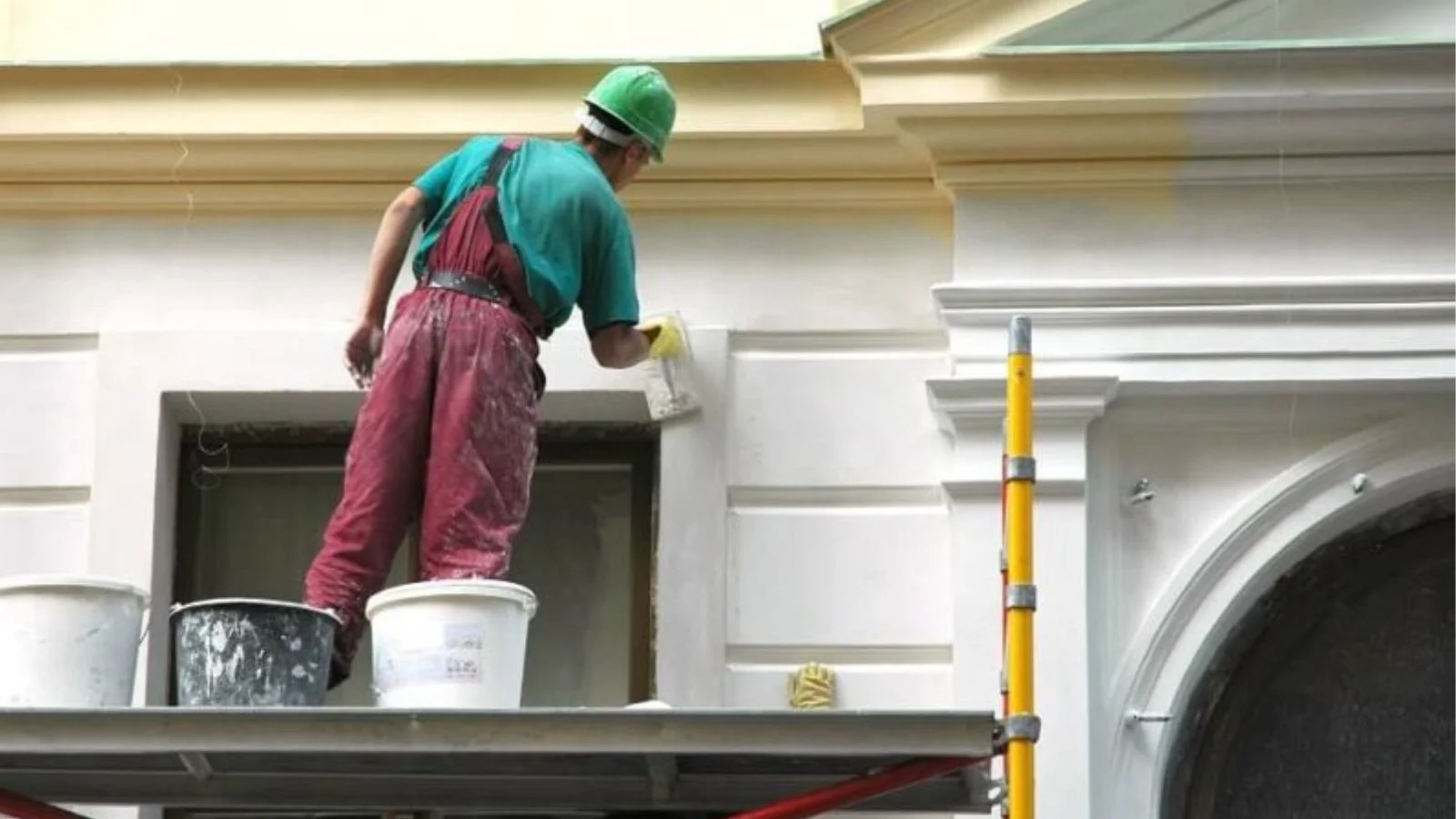
Stunning Building Painting Designs and Color Trends in Saudi Arabia

Commercial and Industrial Painting Contractor in Saudi Arabia

A Complete Guide to Evolis YMCKO Ribbons – Part # R5F202M100

Top Surface Cleaning & Preparation Methods for Industrial Projects

The Hidden Power of Surface Preparation in Construction and Industry
We have received your inquiry and our team will review your requested items and get back to you as soon as possible.