No products in the cart.
Instrumentation
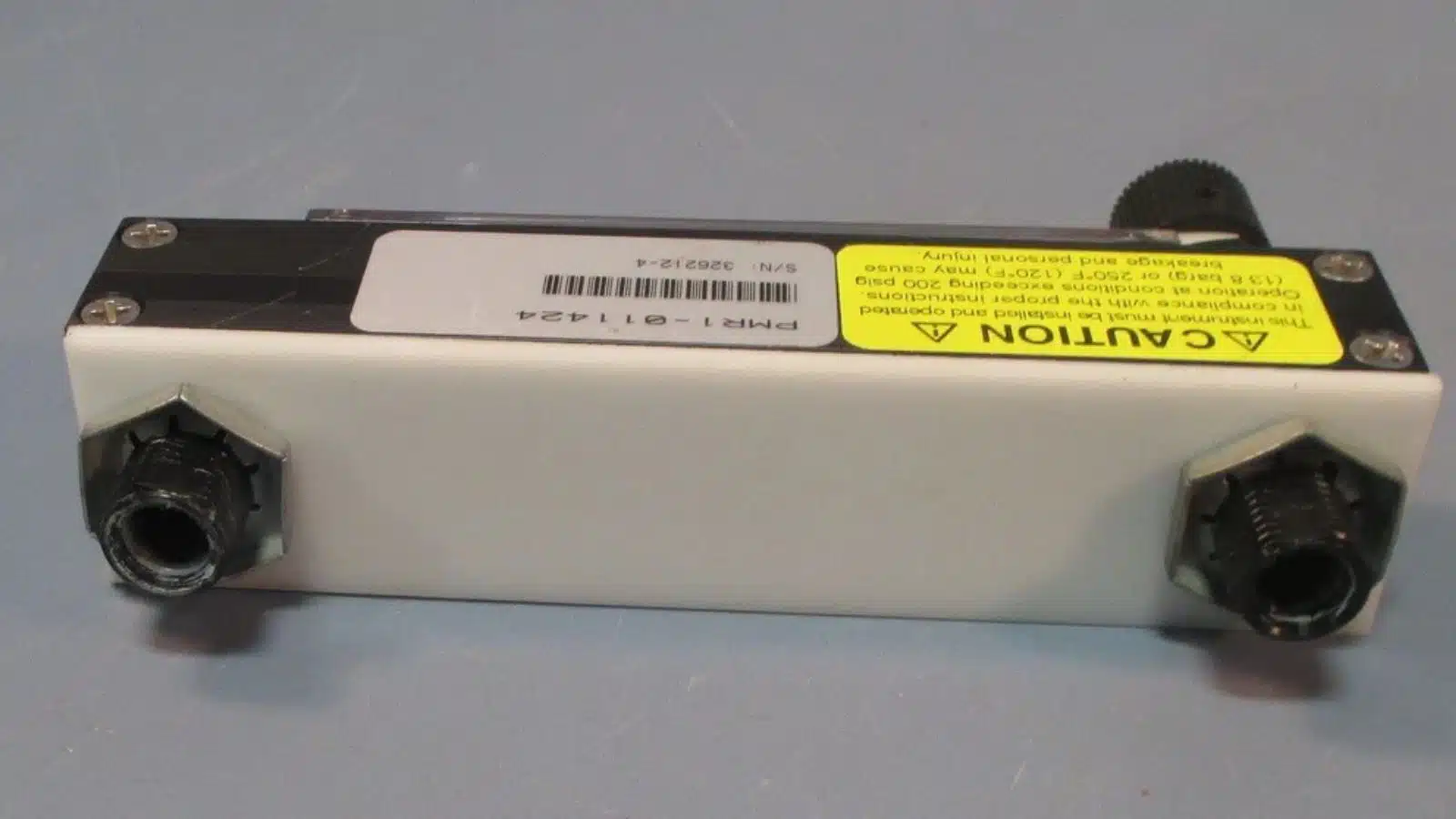
Boost Your Industrial Flow Monitoring Accuracy with Aalborg USA PMR1-013564
Boost Your Industrial Flow Monitoring Accuracy with Aalborg USA PMR1-013564: In today’s fast-paced industrial world,...

+966 59 204 1946
No products in the cart.
In today’s fast-paced industrial landscape, the ability to effectively capture, process, and act upon operational information is no longer a luxury—it’s a necessity. Data Acquisition (DAQ) systems are the backbone of modern industrial intelligence, providing the granular insights required for optimized performance, increased safety, and sustained competitiveness. At Aska Solution, we’ve dedicated ourselves to mastering the complexities of DAQ, transforming raw signals into actionable intelligence for businesses across diverse sectors. Our expertise ensures that your operations are not just running, but running smarter.
This comprehensive guide will demystify Data Acquisition, exploring its foundational principles, advanced methodologies, and the cutting-edge technologies that are shaping its future. We’ll show you how to leverage these systems to unlock real-time insights, drive efficiency, and make data-driven decisions that propel your business forward.
The journey from a physical phenomenon to an actionable business decision begins with Data Acquisition. It’s a sophisticated process that captures information from the physical world—whether it’s temperature, pressure, flow, vibration, or voltage—and converts it into a digital format that computers can understand and analyze. For us at Aska Solution, this conversion is the critical first step in empowering industries with unparalleled operational visibility.
Without reliable Data Acquisition, businesses are operating in the dark, unable to identify inefficiencies, anticipate failures, or optimize complex processes. Our experience shows that the foundational accuracy and integrity of this initial data capture directly impact the quality of all subsequent analysis and decisions.
At its heart, Data Acquisition involves measuring an electrical or physical phenomenon using sensors and converting these measurements into digital values. This process bridges the gap between the analog world of physical variables and the digital world of computers, where data can be stored, processed, and analyzed. It encompasses everything from the initial sensor technology selecting the right transducer to the final software interface displaying the results.
We view Data Acquisition not merely as a technical task but as a core operational process that underpins nearly every aspect of modern industrial control and optimization. It’s about creating a robust data pipeline that reliably feeds information into your systems, enabling informed decision-making across the board. The objective is always to capture data as accurately and efficiently as possible, laying a solid groundwork for all downstream operations.
In today’s competitive environment, having real-time data is no longer a competitive advantage—it’s a strategic imperative. The ability to monitor processes as they happen allows for immediate adjustments, preventing costly errors, minimizing downtime, and optimizing resource utilization. This immediacy transforms reactive maintenance into proactive interventions and enables dynamic control over complex systems.
Through our work with numerous enterprise clients, we’ve consistently observed that access to real-time data from robust Data Acquisition systems leads to significant improvements in operational efficiency and responsiveness. For instance, a manufacturing client we assisted struggled with inconsistent product quality due to manual parameter checks; implementing a real-time data DAQ system allowed them to detect and correct deviations instantly, boosting their quality control by 25%. This rapid feedback loop is invaluable for maintaining consistent output and adapting quickly to changing conditions.
The landscape of Data Acquisition has been profoundly shaped by advancements in industrial instrumentation. What was once a collection of disparate, often analog, devices has evolved into sophisticated, integrated systems capable of high-speed, high-precision data capture. Modern instrumentation provides greater accuracy, wider measurement ranges, and enhanced connectivity options. This evolution allows for more comprehensive and reliable data collection, critical for complex industrial applications.
We’ve seen how the integration of smart sensors, high-resolution data logging units, and embedded processing capabilities transforms raw data into a richer, more context-aware information stream. This advanced industrial instrumentation is foundational to unlocking the full potential of Data Acquisition, making it possible to capture nuanced details that were previously undetectable. It’s this ongoing innovation in instrumentation that continually pushes the boundaries of what’s possible in process monitoring and automation control.
Building a robust Data Acquisition system requires a deep understanding of its foundational architecture. Each component plays a vital role in ensuring data accuracy, integrity, and timely delivery. At Aska Solution, we emphasize a holistic approach, recognizing that the strength of the entire system is dependent on the quality and integration of its individual parts. This structured approach allows us to design resilient and high-performing DAQ solutions.
Sensors are the eyes and ears of any Data Acquisition system, directly interacting with the physical world to measure parameters like temperature, pressure, flow, or vibration. Choosing the right sensor technology is paramount, as it dictates the accuracy, range, and environmental resilience of your measurements. Transducers convert these physical phenomena into measurable electrical signals, which is the first step in the digital conversion process.
In our experience, proper sensor technology selection involves careful consideration of the specific industrial environment, the required measurement precision, and the expected operational lifespan. We often work with clients to integrate a diverse array of sensors, from thermocouples and RTDs to strain gauges and accelerometers, ensuring comprehensive process monitoring. The goal is always to match the sensor’s capabilities to the application’s demands, ensuring optimal data fidelity from the source.
Raw signals from sensors are often noisy, weak, and susceptible to interference, making them unsuitable for direct conversion. Signal conditioning is the crucial process of manipulating these raw signals to prepare them for Analog-to-Digital Conversion (ADC). This involves amplification to boost weak signals, filtering to remove unwanted noise, linearization to correct sensor non-linearities, and isolation to protect the DAQ system from high voltages.
Effective signal conditioning is absolutely critical for maintaining data integrity and accuracy. Without it, even the most precise ADC will capture flawed data, leading to erroneous insights and potentially costly operational decisions. We’ve consistently found that investing in quality signal conditioning modules upfront significantly reduces data errors and improves the reliability of the entire Data Acquisition system, ensuring that subsequent data analytics are based on clean, dependable information.
Once conditioned, the analog signal must be converted into a digital format that computers can process. Analog-to-Digital Converters (ADCs) perform this vital function, sampling the analog signal at discrete intervals and quantifying its amplitude into a binary code. The precision of this conversion is determined by the ADC’s resolution (number of bits) and its sampling rate (how frequently it takes samples). Higher resolution provides finer detail, while higher sampling rates capture faster-changing signals more accurately.
The choice of ADC directly impacts the fidelity of your Data Acquisition. For high-speed applications like vibration analysis, a high sampling rate is essential to avoid aliasing—where high-frequency components are misrepresented as lower frequencies. Conversely, for slowly changing temperatures, a lower sampling rate might suffice, but high resolution might still be critical for detecting subtle trends. We guide our clients in selecting ADCs that balance precision, speed, and cost, ensuring that their specific real-time data needs are met without over-engineering the solution.
After conversion, digital data needs to be reliably transmitted from the DAQ hardware to a computer or controller for storage and analysis. This involves various data transmission protocols and interfacing standards, each with its own advantages and suitable applications. Common examples include USB, Ethernet, Wi-Fi, RS-232/485, and industrial fieldbuses like Modbus and PROFINET. The choice depends on factors such as distance, speed requirements, noise immunity, and compatibility with existing automation control infrastructure.
A well-chosen protocol ensures that data flows seamlessly and securely across your network, supporting real-time data access and minimizing latency. For many of our enterprise clients, we’ve seen that combining robust industrial instrumentation with resilient communication protocols is essential for large-scale deployments and distributed control systems. We frequently implement solutions that leverage a mix of wired and wireless sensors to achieve optimal connectivity across complex industrial sites.
| Protocol | Primary Use Cases | Key Advantages | Considerations |
|---|---|---|---|
| USB | Short-distance PC-based DAQ, lab setups | High speed, simple setup, widely available | Limited distance, susceptible to EMI, single host |
| Ethernet (TCP/IP) | Distributed DAQ, enterprise-wide networks, remote monitoring | Long distance, networkability, high bandwidth, standard | Network complexity, potential latency issues, requires IP addressing |
| RS-485 (Modbus) | Industrial automation, PLC/SCADA communication, multi-drop networks | Long distance, robust, multi-drop capability, EMI resistant | Lower speed than Ethernet, specific cabling, master-slave architecture |
| Wireless (Wi-Fi, Zigbee, LoRa) | Remote or difficult-to-wire locations, mobile assets, IIoT devices | Flexibility, reduced cabling costs, easy deployment | Security concerns, battery life, interference, limited bandwidth |
| Fieldbus (e.g., PROFINET) | Real-time industrial automation control, high-speed I/O | Deterministic, high speed, robust, integrated diagnostics | Complex configuration, proprietary nature, specific hardware |
Beyond the hardware, effective Data Acquisition relies on sound methodologies for collecting, validating, and managing data. These practices are crucial for ensuring that the information gathered is not only accurate but also representative of the processes being monitored. At Aska Solution, we embed these best practices into every DAQ system we design and implement, ensuring our clients receive the most valuable insights.
One of the most critical decisions in Data Acquisition is determining the appropriate sampling rate. Nyquist’s theorem states that to accurately reconstruct a signal, the sampling rate must be at least twice the highest frequency component of the signal. However, in practical applications, we often recommend sampling at 5 to 10 times the highest frequency of interest to provide a more accurate representation and mitigate aliasing effects. Undersampling can lead to crucial information loss, while oversampling can create unnecessary data volume and processing overhead.
For instance, in vibration analysis for predictive maintenance, a high sampling rate (e.g., several kHz) is essential to capture transient events and subtle frequency shifts indicative of impending mechanical failure. Conversely, for slow-changing process variables like tank levels or ambient temperature, a much lower sampling rate (e.g., once every few seconds or minutes) is perfectly adequate. We work closely with your engineers to analyze the dynamics of your specific process and tailor the sampling strategy to optimize both data quality and resource efficiency.
Noise and interference are ubiquitous in industrial environments and can significantly degrade the quality of acquired data. Sources include electromagnetic interference (EMI) from motors and power lines, radio frequency interference (RFI) from wireless devices, and ground loops. Minimizing these undesirable signals is paramount for accurate Data Acquisition. This involves a combination of shielding, grounding, filtering (both analog and digital), and choosing appropriate cabling and signal conditioning components.
In our experience managing complex installations, a common technical issue we help businesses fix is persistent noise affecting sensor readings. We apply empirical analysis, often involving specialized test equipment, to identify the precise sources of interference. We then implement targeted solutions, such as using differential measurements, optical isolation, or carefully routed shielded cables. We’ve consistently seen that proactively addressing noise issues during design or early deployment significantly enhances the reliability of real-time data and reduces troubleshooting time in the long run.
The trustworthiness of your Data Acquisition system hinges on data integrity and robust validation strategies. This involves ensuring that the data collected is complete, consistent, accurate, and protected from unauthorized alteration or corruption. Strategies include checksums and error correction codes during transmission, range checking to flag physically impossible values, and plausibility checks to identify outliers that defy expected behavior. Timestamping every data point is also crucial for sequential analysis and correlation.
A strong data validation framework is an essential component of any reliable process monitoring system. We often implement multi-layered validation processes where data is checked at the sensor level, during transmission, and again before storage in a database. This systematic approach ensures that the data analytics performed downstream are based on the most accurate and reliable information possible, underpinning sound decision-making and compliance with industry standards.
When designing a Data Acquisition architecture, a key decision involves choosing between a centralized or distributed control systems approach. In a centralized system, all sensors route their signals to a single, powerful DAQ unit, typically close to a central control room. This simplifies management and integration but can be susceptible to single points of failure and may suffer from signal degradation over long cable runs.
Conversely, a distributed control systems approach utilizes multiple smaller DAQ units or wireless sensors positioned closer to the measurement points. These local units often perform initial signal conditioning and conversion before transmitting digital data back to a central server or SCADA systems. This reduces cabling costs, improves noise immunity, and enhances system redundancy and scalability. We’ve found that for large industrial sites or geographically dispersed operations, a distributed architecture often offers superior performance and resilience, facilitating more efficient process monitoring and automation control.
The pace of innovation in industrial instrumentation is accelerating, offering unprecedented capabilities for Data Acquisition. These advanced tools not only improve accuracy and efficiency but also enable new forms of monitoring and control. Embracing these technologies is key to future-proofing your operations and staying ahead in a data-driven world.
Modern high-resolution data logging devices and dedicated DAQ units are powerful instruments for capturing precise measurements over extended periods. These devices often feature multi-channel inputs, high-speed sampling rates, and built-in memory for standalone operation. They can be configured to trigger recordings based on specific events or time intervals, making them ideal for long-term process monitoring, troubleshooting intermittent issues, or conducting compliance testing.
Our experience shows that these advanced data logging units, especially those with high channel counts and robust environmental ratings, are indispensable for applications where continuous, high-fidelity data is critical. We deploy these units extensively for clients in demanding environments, capturing everything from minute temperature fluctuations in sensitive processes to complex power quality disturbances, providing the detailed real-time data necessary for in-depth data analytics.
Programmable Logic Controllers (PLCs) are the workhorses of industrial automation control, executing control logic based on sensor inputs and driving actuators. While not primarily DAQ devices, modern PLCs often have integrated analog and digital input modules capable of basic Data Acquisition. When combined with SCADA systems (Supervisory Control and Data Acquisition), PLCs become a powerful part of a comprehensive DAQ ecosystem. SCADA systems provide the human-machine interface (HMI) for operators, enabling visualization, historical trending, and high-level control over distributed processes.
We frequently design and implement solutions where PLCs handle local, high-speed Data Acquisition and control, while SCADA systems aggregate data from multiple PLCs and other industrial instrumentation for enterprise-wide process monitoring and data logging. This integration allows for a seamless flow of information from the plant floor to the control room, providing operators and managers with a complete picture of operational status and performance metrics, crucial for informed decision-making.
Wireless sensors are revolutionizing Data Acquisition by offering unprecedented flexibility and ease of deployment. They eliminate the need for extensive cabling, drastically reducing installation costs and enabling monitoring in remote, hazardous, or difficult-to-access locations. WSNs leverage various wireless protocols (e.g., Wi-Fi, Zigbee, LoRaWAN) to transmit data from numerous sensor nodes to a central gateway, which then feeds into the main DAQ system. This flexibility is a game-changer for many industrial applications.
One anonymous client, for example, faced significant challenges monitoring environmental conditions in a sprawling, multi-building campus; laying new cables was prohibitively expensive. By implementing a robust network of wireless sensors, we enabled them to achieve comprehensive process monitoring with minimal disruption and a 30% reduction in installation costs. This allowed them to collect valuable real-time data that was previously inaccessible, leading to better resource management and compliance.
The advent of smart sensors marks a significant evolution in sensor technology. These sensors not only measure physical parameters but also incorporate embedded microprocessors capable of performing local processing, filtering, and even basic data analytics at the source. This capability is the foundation of edge computing, where data is processed close to its origin rather than being sent entirely to a centralized cloud or server.
Edge computing greatly reduces data latency and bandwidth requirements, making it ideal for high-speed automation control applications or those where immediate local decision-making is critical. For instance, a smart vibration sensor with edge computing capabilities could analyze vibration patterns locally and only send an alert when a potential anomaly indicative of equipment failure is detected, rather than streaming raw, continuous data. We’ve seen this approach significantly improve the efficiency of predictive maintenance programs, reducing false alarms and focusing attention on genuine threats.
Collecting data is only half the battle; the real value lies in transforming that raw information into actionable insights. This requires robust data analytics and visualization techniques. At Aska Solution, we specialize in building these analytical frameworks, ensuring that the real-time data captured by your Data Acquisition systems directly contributes to improved operational intelligence and strategic decision-making.
Statistical Process Control (SPC) is a powerful methodology used to monitor, control, and improve a process through statistical analysis. In Data Acquisition, SPC involves continuously collecting data, plotting it on control charts, and using statistical rules to detect if a process is operating within its expected parameters or if it’s drifting out of control. This proactive approach helps identify variations and potential issues before they lead to defects or failures.
By integrating SPC directly with real-time data from DAQ systems, businesses can immediately identify when a process begins to deviate from its specifications. This allows for quick intervention, preventing the production of non-conforming products and reducing waste. We’ve helped clients implement SPC across various manufacturing lines, enabling them to maintain consistent product quality and achieve significant reductions in scrap rates through enhanced process monitoring.
Trend analysis involves examining patterns in historical and real-time data to forecast future behavior and identify long-term changes in a process. This can reveal gradual degradation in equipment performance, increasing energy consumption, or shifts in material properties. Complementing this, anomaly detection algorithms are designed to automatically flag unusual data points or patterns that deviate significantly from expected behavior. These anomalies can indicate equipment malfunctions, sensor failures, security breaches, or other critical events.
Combining Data Acquisition with advanced trend analysis and anomaly detection is crucial for predictive maintenance and proactive risk management. For example, consistently rising motor temperatures, even within acceptable limits, might trend towards a future failure. An anomaly detection algorithm would flag a sudden, uncharacteristic spike in vibration as an immediate concern. We deploy sophisticated algorithms that learn normal operating patterns, allowing our systems to identify subtle deviations that human operators might miss, providing early warnings and enabling timely interventions.
Predictive modeling takes data analytics a step further by using historical data and statistical or machine learning algorithms to predict future outcomes or events. In the context of Data Acquisition, this means forecasting equipment failures, predicting product quality, or optimizing resource allocation based on current and past operational data. This capability shifts operations from reactive troubleshooting to proactive strategy.
For example, by analyzing real-time data on motor current, vibration, and operating hours, a predictive model can estimate the remaining useful life of a machine, allowing for maintenance to be scheduled precisely when needed, rather than on a fixed schedule or after a breakdown. This strategy, central to predictive maintenance, maximizes asset utilization and minimizes costly downtime. We help businesses develop and integrate these models, leveraging their DAQ data to make smarter, more foresightful operational decisions, significantly improving their ROI on industrial instrumentation.
Raw numerical data, no matter how accurate, is often unintelligible without effective visualization. Data visualization techniques transform complex datasets into intuitive graphs, charts, dashboards, and reports that highlight key trends, anomalies, and performance indicators. Effective visualization makes real-time data accessible to a wide audience, from plant floor operators to executive management, facilitating quicker understanding and better decision-making.
We prioritize clear and impactful data visualization in all our Data Acquisition solutions. Our customized dashboards provide at-a-glance summaries of critical process monitoring parameters, allowing operators to quickly identify issues and managers to track key performance indicators (KPIs). For a client in the utilities sector, we developed a dynamic dashboard that integrated data from numerous distributed control systems, allowing them to monitor grid stability and energy consumption patterns in real-time data, leading to a 15% improvement in load balancing efficiency. The goal is always to make the data tell a clear and compelling story.
While the benefits of Data Acquisition are immense, implementing and maintaining these systems comes with its own set of challenges. At Aska Solution, we have extensive experience navigating these hurdles, providing robust solutions that ensure the reliability and effectiveness of your DAQ infrastructure. Proactive planning and expert execution are key to mitigating these common issues.
Modern industrial operations generate an unprecedented volume of real-time data at high velocities, a phenomenon often referred to as “Big Data.” Managing this deluge of information presents significant challenges in terms of storage, processing, and transmission. Traditional centralized databases and network infrastructures can quickly become bottlenecks, leading to data loss, increased latency, and delayed insights.
To address these data volume and velocity issues, we often implement strategies such as edge computing, where preliminary data analytics and filtering occur closer to the data source, reducing the amount of raw data that needs to be transmitted and stored centrally. We also leverage scalable cloud-based storage solutions and high-throughput data pipelines to ensure that all relevant data from your industrial instrumentation is captured and available for analysis without compromise. Our solutions are designed to handle the growing demands of modern process monitoring efficiently.
With increased connectivity comes increased vulnerability. Ensuring the security of your Data Acquisition systems and the integrity of your cyber-physical infrastructure is paramount. This involves protecting sensors, DAQ hardware, communication networks, and data storage from unauthorized access, cyber-attacks, and data manipulation. A breach can lead to operational disruptions, data loss, intellectual property theft, or even safety hazards.
We implement multi-layered security protocols, including robust authentication, encryption for data in transit and at rest, network segmentation, and regular vulnerability assessments. Our approach aligns with industry best practices for securing industrial IoT deployments and SCADA systems, ensuring that your real-time data is not only accurate but also protected from threats. We work to build a secure perimeter around your DAQ systems, providing peace of mind and operational continuity.
Industrial environments are often characterized by a heterogeneous mix of legacy equipment, diverse industrial instrumentation from different vendors, and various communication protocols. This can lead to significant interoperability gaps, making it challenging to integrate all data sources into a unified Data Acquisition system. Incompatible interfaces and proprietary data formats can hinder comprehensive process monitoring and lead to fragmented insights.
At Aska Solution, we specialize in bridging these interoperability gaps. We deploy protocol converters, custom drivers, and standardized middleware to create seamless communication pathways between disparate systems, including older PLCs and modern wireless sensors. Our expertise in system integration ensures that data from all your equipment, regardless of age or vendor, can be collected and utilized effectively within a cohesive DAQ framework. This allows you to leverage existing investments while integrating new, advanced technologies.
Industrial environments are often harsh, exposing sensor technology to extreme temperatures, humidity, corrosive chemicals, vibration, and electromagnetic interference. These environmental factors can significantly impact sensor performance, leading to drift, inaccuracies, or premature failure. Mitigating these effects is crucial for maintaining the long-term accuracy and reliability of your Data Acquisition.
We conduct thorough site assessments to understand the specific environmental challenges your industrial instrumentation will face. Based on this, we recommend ruggedized sensors with appropriate IP ratings, protective enclosures, vibration isolation mounts, and specialized cabling. For example, in high-temperature applications, we specify sensors designed for extreme heat, coupled with adequate cooling solutions. Our approach ensures that your DAQ components can withstand the demands of your operating environment, providing consistent and accurate real-time data over their operational lifespan.
Implementing a new Data Acquisition system is a significant undertaking that requires careful planning and execution. At Aska Solution, we advocate for a phased, strategic approach to minimize disruption, ensure successful integration, and maximize the return on your investment. Our methodology focuses on delivering robust, scalable, and sustainable DAQ solutions.
The first and most critical step is a thorough needs assessment. This involves understanding your operational goals, identifying the key parameters to be measured, determining data volume and velocity requirements, and assessing existing infrastructure. We work closely with your teams to define the scope, expected outcomes, and key performance indicators (KPIs) that the Data Acquisition system will support. Based on this, we design a comprehensive system architecture.
This design phase considers all aspects, from sensor technology selection and signal conditioning requirements to data storage, data analytics platforms, and integration with existing SCADA systems or automation control. For a recent client, our initial needs assessment revealed that their primary goal was to reduce energy consumption. Our system design focused on granular real-time data from power meters and environmental sensors, leading to an industrial IoT solution that allowed for targeted energy efficiency improvements, saving them 18% on their annual energy bill within the first year.
Before a full-scale deployment, we often recommend initiating a pilot project. This allows for testing the Data Acquisition system in a controlled environment, validating its performance, identifying any unforeseen issues, and refining the design. Pilot projects provide valuable insights into real-world performance without committing significant resources across the entire operation.
Simultaneously, we plan for scalability. A well-designed DAQ system should be able to expand seamlessly as your operational needs grow, accommodating additional sensors, more data points, and increased complexity. This involves choosing flexible hardware and software architectures, utilizing modular components, and designing a network infrastructure that can handle future expansion. Our solutions are built with future growth in mind, ensuring your investment in industrial instrumentation continues to deliver value as your business evolves.
The long-term accuracy and reliability of your Data Acquisition system depend heavily on rigorous calibration and maintenance protocols. Sensors can drift over time due to environmental factors, aging, or wear and tear. Regular calibration against known standards ensures that your industrial instrumentation continues to provide accurate measurements. Similarly, preventative maintenance of hardware and software components prevents failures and ensures continuous operation.
We establish comprehensive calibration schedules and maintenance plans tailored to your specific DAQ system and operational environment. This includes periodic sensor checks, software updates, and hardware inspections. A common technical issue we help businesses fix is unnoticed sensor drift, which can lead to faulty decisions. Our robust maintenance programs, which include on-site support, ensure that your real-time data remains precise and trustworthy, supporting effective process monitoring and predictive maintenance.
The most advanced Data Acquisition system is only as effective as the people operating and interpreting it. Adequate training and ongoing workforce skill development are crucial for maximizing the value of your investment. This includes training operators on how to interact with the system, technicians on how to perform routine maintenance, and engineers on how to leverage data analytics for strategic insights.
We provide customized training programs for all levels of your staff, empowering them to effectively utilize and manage your DAQ infrastructure. Our training covers everything from basic system operation and data logging procedures to advanced data analytics and troubleshooting. By investing in your team’s capabilities, you ensure that your organization can fully harness the power of real-time data and drive continuous improvement across your operations.
The power of Data Acquisition is best illustrated through its diverse and impactful real-world applications across various industries. At Aska Solution, we’ve seen firsthand how these systems deliver significant returns on investment by optimizing processes, enhancing safety, and extending asset life.
In manufacturing, Data Acquisition systems are indispensable for achieving operational excellence. They enable continuous process monitoring of critical parameters such as temperature, pressure, flow rates, vibration, and energy consumption at every stage of production. This real-time data allows manufacturers to identify bottlenecks, optimize production recipes, reduce waste, and ensure consistent product quality.
We once worked with a client in the automotive sector who struggled with inconsistent paint curing times, leading to rework and delays. By implementing a DAQ system that precisely monitored oven temperatures and humidity using wireless sensors, they gained the insights needed to fine-tune their curing cycles. This led to a 20% reduction in rework and a 15% improvement in throughput, demonstrating a clear ROI from enhanced process monitoring.
Energy costs are a significant operational expense for most industrial facilities. Data Acquisition plays a vital role in energy management by providing granular real-time data on energy consumption across various assets and departments. By monitoring electricity, gas, and water usage, businesses can identify areas of waste, pinpoint inefficient equipment, and implement targeted energy-saving measures.
Our solutions leverage industrial instrumentation like smart power meters and environmental sensors to feed comprehensive energy usage data into data analytics platforms. This allows clients to track their energy footprint, optimize schedules for high-consumption equipment, and verify the effectiveness of energy efficiency initiatives. Many of our clients have achieved between 10-25% reductions in energy consumption through smart Data Acquisition and subsequent optimization strategies.
Perhaps one of the most impactful applications of Data Acquisition is predictive maintenance. Instead of performing maintenance based on fixed schedules (preventive) or waiting for equipment to fail (reactive), DAQ systems provide the real-time data necessary to predict when a machine is likely to fail. This involves continuous process monitoring of vibration, temperature, current draw, acoustic emissions, and other health indicators.
By analyzing this data with advanced data analytics and edge computing capabilities, our systems can detect subtle anomalies that signal impending issues. This allows maintenance teams to schedule interventions precisely when needed, minimizing downtime, extending the lifespan of critical assets, and reducing maintenance costs. We’ve consistently seen that predictive maintenance implementations, powered by robust DAQ, reduce unplanned downtime by up to 50% and maintenance costs by 20-30%.
Maintaining product quality and ensuring regulatory compliance are non-negotiable in many industries. Data Acquisition systems provide an unbiased, auditable record of process parameters, material properties, and environmental conditions throughout the production cycle. This real-time data is crucial for verifying that products meet specified quality standards and that operations adhere to industry regulations.
We help clients set up DAQ systems that capture all relevant quality-related parameters, providing a comprehensive data trail for audit purposes. For instance, in pharmaceutical manufacturing, precise Data Acquisition of temperature and humidity in cleanrooms, combined with data logging of batch parameters, is critical for GMP compliance. This not only enhances product safety and integrity but also streamlines the compliance verification process, saving significant time and resources.
The field of Data Acquisition is dynamic, constantly evolving with technological advancements. The next wave of innovation promises even more intelligent, interconnected, and autonomous systems. At Aska Solution, we are at the forefront of these developments, ensuring our clients are equipped with future-proof DAQ strategies.
The most transformative trend in Data Acquisition is its deep integration with Artificial Intelligence (AI) and Machine Learning (ML). AI and ML algorithms can process vast amounts of real-time data from DAQ systems, identifying complex patterns and correlations that human analysts might miss. This enables more sophisticated anomaly detection, predictive modeling, and automation control than ever before.
For example, an ML model can analyze sensor data from a complex machine to learn its normal operating fingerprint, then use this knowledge to accurately predict equipment failures with high confidence, moving beyond simple thresholds. This integration is propelling predictive maintenance and process monitoring to new levels of precision and foresight. We are actively developing and deploying AI-powered DAQ solutions that not only collect data but intelligently interpret it, providing truly actionable insights.
The industrial IoT (IIoT) represents the convergence of Data Acquisition, networking, and cloud computing. It involves embedding sensors, software, and connectivity into physical objects, machines, and industrial processes, enabling them to collect and exchange real-time data. Cloud-based DAQ leverages the scalability and processing power of cloud platforms to store, analyze, and manage this immense volume of IIoT data.
This shift allows for highly distributed control systems, remote monitoring, and global visibility of operations from anywhere in the world. Wireless sensors are a key enabler of IIoT, facilitating vast networks of interconnected devices. Aska Solution is at the forefront of designing and implementing secure, scalable industrial IoT architectures, enabling our clients to harness the power of cloud-based Data Acquisition for unprecedented operational intelligence and flexibility.
As Data Acquisition systems become more pervasive and generate more sensitive information, ethical considerations and robust data governance become critical. This includes issues such as data privacy, data ownership, algorithmic bias in data analytics, and the responsible use of real-time data for decision-making. Ensuring transparency, accountability, and compliance with regulations like GDPR or industry-specific standards is paramount.
We work with our clients to establish strong data governance frameworks that define clear policies for data collection, storage, access, and usage. This ensures not only legal and ethical compliance but also builds trust in the DAQ system’s output. Protecting sensitive operational data from unauthorized access or misuse is as important as collecting it accurately, forming a core part of our comprehensive solution design.
The ultimate evolution of Data Acquisition is toward fully autonomous systems. These systems will not only collect and analyze real-time data but also make decisions and execute actions without direct human intervention. This involves advanced automation control, self-calibrating industrial instrumentation, and AI-driven adaptive learning.
Imagine a system that not only monitors machine health but also automatically orders replacement parts, schedules its own maintenance, and adjusts process monitoring parameters in response to changing conditions, all based on sophisticated data analytics. While still evolving, early forms of autonomous DAQ are already being seen in advanced edge computing applications where local decision-making minimizes latency. Aska Solution is exploring and developing these cutting-edge capabilities, preparing our clients for the next generation of industrial intelligence.
Choosing the right partner for your Data Acquisition journey is as critical as the technology itself. At Aska Solution, we pride ourselves on being more than just a vendor; we are a strategic partner committed to your operational success. Our comprehensive expertise, end-to-end capabilities, and unwavering focus on client needs set us apart.
Our core strength lies in our ability to design and integrate complete Data Acquisition solutions tailored to your unique operational requirements. We don’t believe in one-size-fits-all; instead, we analyze your specific challenges and goals to architect a DAQ system that perfectly aligns with your business objectives. This includes everything from selecting the optimal sensor technology and signal conditioning modules to developing custom software interfaces and integrating with existing SCADA systems.
For many of our enterprise clients, we’ve seen that combining custom fabrication with structural engineering expertise from our integrated capabilities allows us to create bespoke enclosures and mounting solutions for industrial instrumentation in even the most challenging environments. Our holistic approach ensures seamless integration and optimal performance across your entire operational landscape, driving significant improvements in process monitoring and automation control.
When off-the-shelf solutions aren’t sufficient, our in-house custom instrumentation and fabrication capabilities become invaluable. We can design and build specialized sensors, unique enclosures, or custom mounting hardware to meet precise measurement requirements or withstand extreme operational conditions. This bespoke approach ensures that your Data Acquisition system is perfectly suited to your specific industrial environment, maximizing accuracy and longevity.
We once worked with a client requiring highly specialized temperature monitoring within a hazardous, high-pressure vessel where standard probes could not survive. Our team engineered a custom, intrinsically safe industrial instrumentation solution that not only provided accurate real-time data but also integrated seamlessly with their existing distributed control systems, a challenge few others could tackle. This capability extends to creating unique solutions for wireless sensors and edge computing deployments, ensuring perfect fit and function.
Our commitment extends beyond initial installation. We offer robust on-site support and comprehensive preventative maintenance programs to ensure your Data Acquisition system operates flawlessly year after year. Our experienced technicians are available to troubleshoot issues, perform calibrations, and execute scheduled maintenance, minimizing downtime and extending the life of your industrial instrumentation. When our team tackles this issue on-site, they often find that consistent calibration significantly improves data reliability.
These programs are vital for maintaining the accuracy and reliability of your real-time data, which is the foundation of effective predictive maintenance and process monitoring. We help you establish appropriate calibration schedules and provide ongoing technical assistance, ensuring that your investment in Data Acquisition continues to deliver optimal performance and value throughout its operational lifespan.
From the moment a sensor captures a signal to the point where an executive makes a strategic decision, we manage the entire data lifecycle. This includes secure data transmission, efficient data logging and storage, advanced data analytics, and intuitive visualization. Our goal is to transform raw data into a continuous stream of actionable insights that empower your business.
We guide you through the complexities of data governance, security, and scalability, ensuring that your Data Acquisition strategy is not just effective for today but resilient for the future. By partnering with Aska Solution, you gain a trusted advisor dedicated to helping you harness the full power of real-time data for sustainable growth and competitive advantage.
Mastering Data Acquisition is fundamental for any industrial enterprise striving for operational excellence in [year]. By meticulously capturing, conditioning, and analyzing real-time data from advanced industrial instrumentation, businesses can unlock unprecedented insights into their processes, enabling proactive decision-making, optimizing resource utilization, and fostering innovation. From the foundational principles of sensor technology and signal conditioning to the cutting-edge applications of industrial IoT, edge computing, and AI-driven data analytics, a robust DAQ strategy is the cornerstone of modern industrial intelligence.
At Aska Solution, we empower businesses to navigate this complex landscape with confidence. Our expertise in designing, integrating, and supporting comprehensive Data Acquisition systems ensures that your operations are not just responsive but predictive, transforming challenges into opportunities for growth. We are your dedicated partner in harnessing the full potential of real-time data to drive your success.
The primary purpose of Data Acquisition in industrial settings is to gather real-time data from physical processes and convert it into a digital format that can be analyzed and used for monitoring, control, optimization, and decision-making. It provides the foundational information needed for process monitoring, predictive maintenance, and automation control.
Advanced instruments, such as high-resolution data logging units, wireless sensors, smart sensors, and edge computing devices, improve Data Acquisition by offering greater accuracy, higher sampling rates, enhanced connectivity, and the ability to perform local data analytics. This leads to more precise real-time data capture, reduced latency, and more flexible deployment options for industrial instrumentation.
Signal conditioning is crucial in a DAQ system because it prepares the raw, often noisy and weak, analog signals from sensor technology for accurate Analog-to-Digital Conversion (ADC). This involves amplification, filtering, linearization, and isolation, ensuring that the acquired data is clean, stable, and truly representative of the physical phenomenon being measured, which is vital for reliable data analytics.
Ensuring data accuracy and integrity involves several strategies: selecting appropriate sensor technology and robust signal conditioning, determining optimal sampling rates, implementing comprehensive data validation (e.g., range checking, checksums), minimizing noise and interference, and adhering to strict calibration and maintenance protocols for all industrial instrumentation. Robust data security measures also protect against unauthorized alteration.
Key considerations when choosing a Data Acquisition system include the specific parameters to be measured, required accuracy and sampling rates, the operational environment, integration with existing automation control or SCADA systems, data volume and storage needs, budget, and future scalability. It’s also important to consider the need for real-time data access, predictive maintenance capabilities, and the potential for industrial IoT or edge computing integration.
Don’t forget to share it
Related Articles
Boost Your Industrial Flow Monitoring Accuracy with Aalborg USA PMR1-013564

Workplace H₂S Protection with Honeywell BWC2-H BW Clip

How the KITAGAWA AP-20 Enhances Workplace Air Quality Monitoring

A Comprehensive Guide to KITAGAWA Gas Detector Tubes

A Complete Review of the Werther Silent Air Compressor
Unlocking Peak Performance: The Power of Precision Tools
We have received your inquiry and our team will review your requested items and get back to you as soon as possible.