No products in the cart.
Security Solution
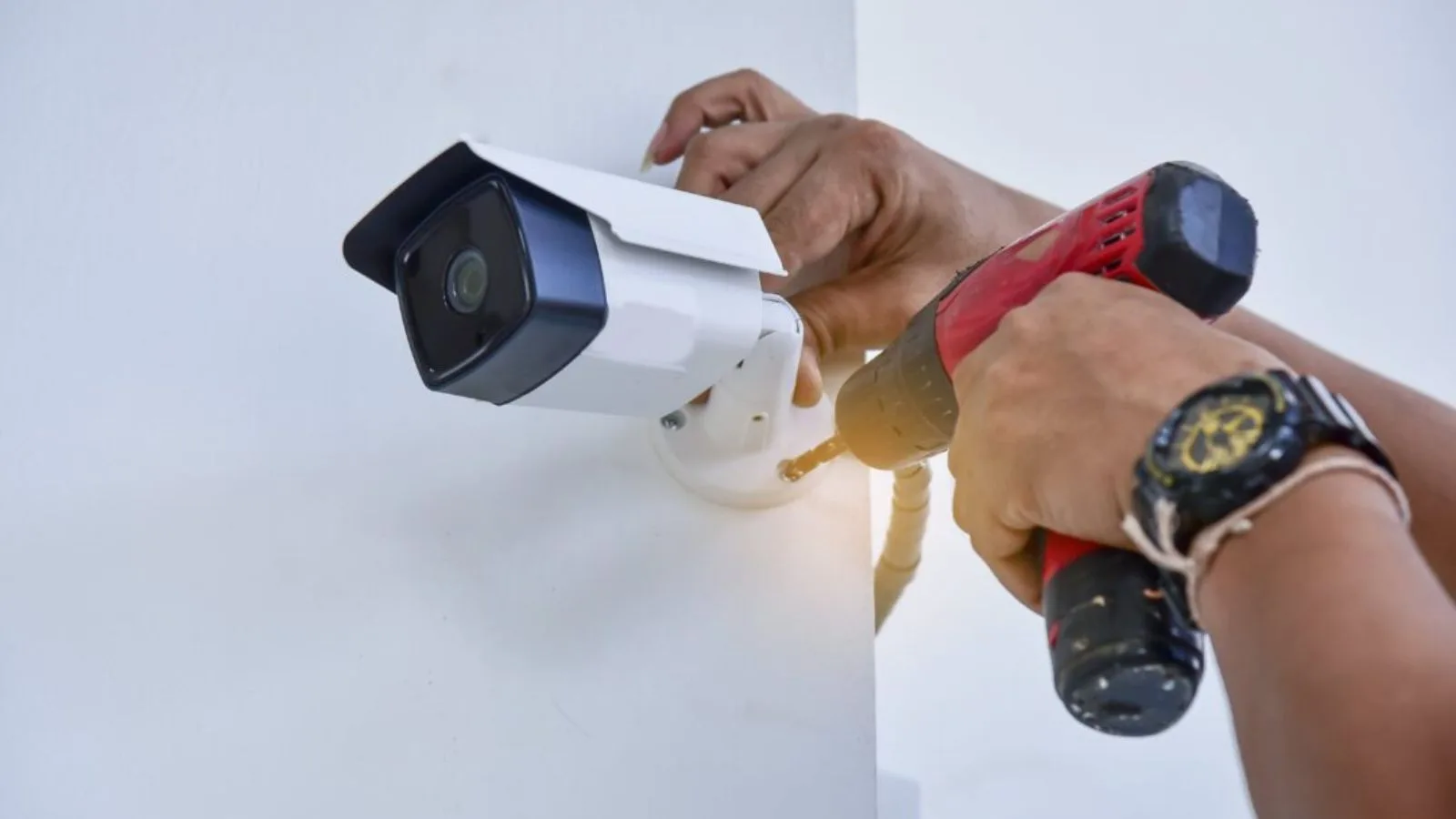
One of The Best CCTV brands provider and Installer in Dammam KSA
One of The Best CCTV brands provider and Installer in Dammam KSA: Security is a...


Impact of AI in Cybersecurity in Saudi Arabia: In an era where digital transformation is accelerating across every sector, cybersecurity has become a national priority, especially in countries like Saudi Arabia, where rapid technological advancements are transforming the economic and industrial landscape. The integration of Artificial Intelligence (AI) in cybersecurity marks a revolutionary shift in how organizations identify, respond to, and mitigate threats.
As Saudi Arabia moves forward with Vision 2030, digital infrastructure and data protection are at the heart of progress. From smart cities like NEOM to cloud-based government services, the cyber threat surface is expanding. But with AI-powered security, Saudi businesses and government agencies now have an intelligent ally to combat increasingly sophisticated attacks.
In this article, we explore how AI is shaping the future of cybersecurity in the Kingdom, highlighting its benefits, applications, and the challenges it solves.
Saudi Arabia is experiencing a cybersecurity boom driven by:
According to recent reports, cyberattacks in the GCC region have increased by over 60% in the last 3 years, and Saudi Arabia has been a primary target for phishing, ransomware, and critical infrastructure attacks.
That’s why AI-based cybersecurity systems are no longer optional—they are critical.
Read Also: The Top 10 Intrusion Detection Systems (IDS) in Saudi Arabia

Artificial Intelligence in cybersecurity refers to the use of machine learning, automation, data analytics, and deep learning algorithms to detect, prevent, and respond to cyber threats.
Unlike traditional security solutions that rely on pre-defined rules, AI learns from data patterns, which means it can identify unknown threats, zero-day vulnerabilities, and anomalies in real-time.
AI can process massive amounts of data in real-time to identify patterns, anomalies, or suspicious behaviors—something that human analysts or rule-based systems would take hours or days to detect.
With automated decision-making, AI reduces dependence on manual monitoring and minimizes human errors, especially in high-volume security operations centers (SOCs).
As Saudi Arabia develops critical infrastructure, like smart grids, oil pipelines, and defense systems, AI can proactively defend against state-sponsored attacks and cyber-espionage.
AI does not sleep. It ensures constant vigilance, especially across government portals, financial systems, and healthcare networks that cannot afford downtime.
Using historical and behavioral data, AI predicts potential attack vectors, allowing preemptive action before breaches occur.
NEOM is being built with advanced IoT systems. AI is essential to monitor smart sensors, devices, drones, and network traffic for any security breach.
AI helps protect Electronic Health Records (EHR), hospital networks, and telehealth platforms from ransomware and phishing.
Banks in Saudi Arabia use AI for fraud detection, biometric security, transaction anomaly detection, and secure customer authentication.
Saudi Aramco and other industrial leaders are investing in AI-driven OT (Operational Technology) security to prevent disruptions to pipelines, rigs, and refineries.
With digital IDs, online visas, and cloud-based ministries, the Saudi government uses AI to detect identity theft, unauthorized access, and data breaches.
Some leading tools and platforms are making a difference in Saudi Arabia:
While AI brings innovation, it also introduces challenges:
| Challenge | Description |
|---|---|
| Adversarial AI | Hackers using AI to bypass AI defenses |
| Data Privacy Concerns | Large-scale AI systems require access to sensitive data |
| Skilled Workforce Gap | Demand for AI-cybersecurity experts is growing |
| High Costs | Enterprise-grade AI tools are expensive for small firms |
By 2030, we can expect:
As digital infrastructure grows, AI will be the backbone of Saudi Arabia’s cybersecurity strategy, ensuring not just protection, but resilience, innovation, and global competitiveness.

At AskA Solution, we help Saudi businesses and institutions integrate AI into their cybersecurity strategy. From consultation to deployment, we offer:
One of The Best CCTV brands provider and Installer in Dammam KSA

The Best Industrial Steel Security Doors in Saudi Arabia

The Best Parking Management System in Dammam KSA
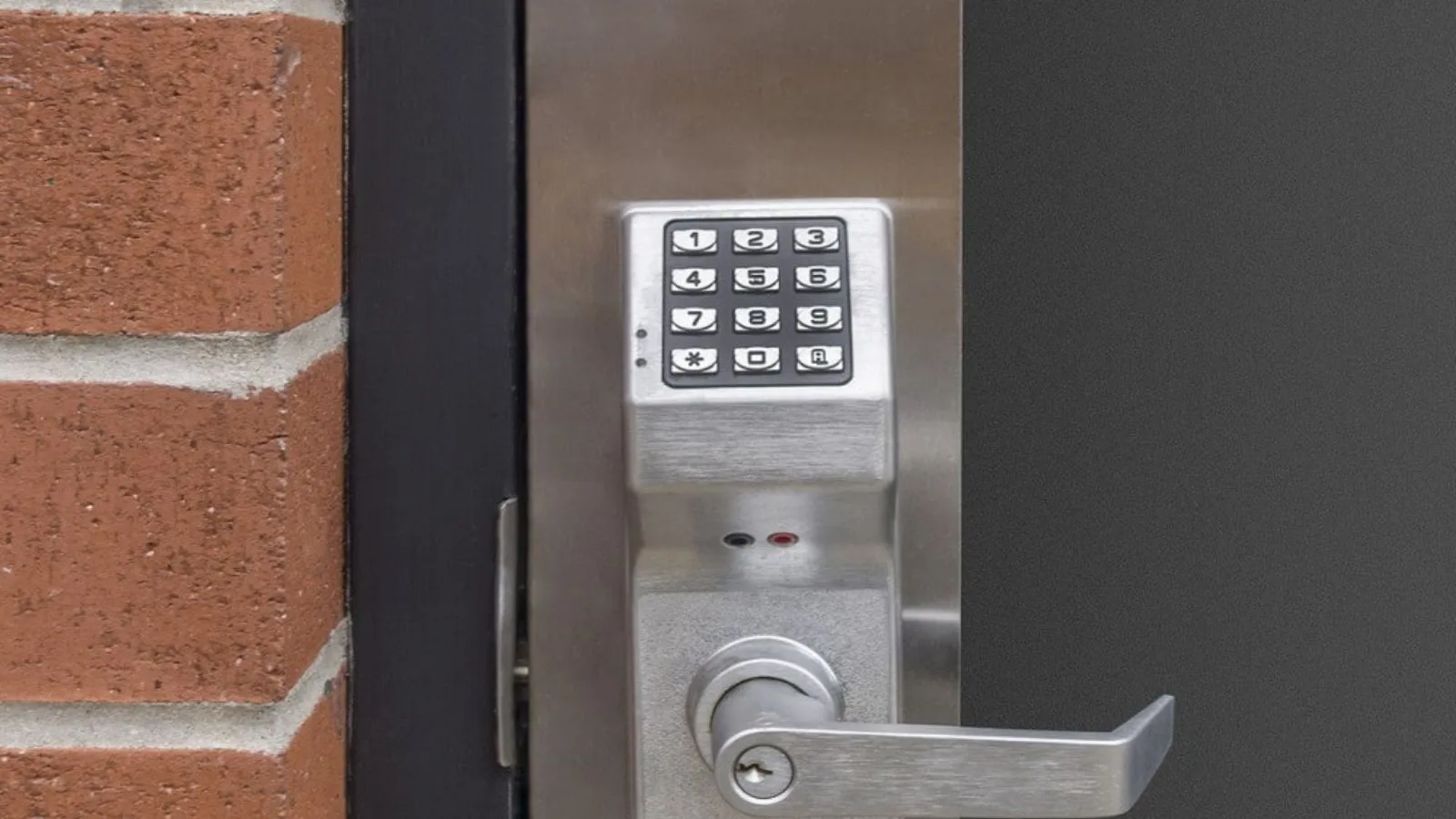
The Best Industrial Electric Security Door lock provide in KSA

Premium Industrial Security Door Locks provider in KSA

The Best High Security Door Locks in Dammam KSA