No products in the cart.

HVAC Solution
HVAC Technician in Saudi Arabia
HVAC Technician in Saudi Arabia: The climate in Saudi Arabia, with its scorching summers and...

+966 59 204 1946
No products in the cart.
Welcome to AskA Solution, where we empower businesses and homeowners with the knowledge to make informed decisions about their critical infrastructure. Your HVAC system is one of the most significant investments in your property, essential for maintaining comfort, air quality, and operational continuity. However, many owners unknowingly make crucial mistakes that drastically shorten their system’s operational life, leading to premature breakdowns, exorbitant repair bills, and unnecessary replacements. Our goal is to help you avoid these pitfalls and understand how to extend HVAC lifespan significantly, ensuring your units run efficiently for years to come.
The consequences of neglecting your HVAC system extend far beyond mere inconvenience. A prematurely failing system can lead to substantial financial burdens, including emergency repair calls, higher energy consumption, and the inevitable cost of a full system replacement long before its expected end-of-life. For commercial and industrial clients, this neglect can translate into operational downtime, compromised product quality due to inadequate climate control, and decreased employee productivity and comfort. We’ve seen firsthand how a well-maintained HVAC system contributes directly to a healthier bottom line, safeguarding your initial investment and ensuring continuous, reliable performance. The reality is that many common HVAC problems stem directly from a lack of consistent, thoughtful care.
At AskA Solution, our multi-disciplinary operational capabilities give us a unique vantage point on system failures and successes across various sectors. We’ve compiled the most frequent and impactful errors we encounter—mistakes that consistently compromise HVAC efficiency and lead to early system demise. By highlighting these critical missteps, we aim to equip you with actionable HVAC maintenance tips that are both practical and impactful. We believe that understanding why certain actions are detrimental and how to implement effective preventative HVAC care is key to maximizing your system’s longevity and performance. This guide will help you understand how to prolong AC unit life and ensure furnace longevity, thereby directly helping you extend HVAC lifespan for all components.
Investing in proactive care is not merely about maintenance; it’s about asset protection and strategic financial planning. A properly maintained system experiences less wear and tear, consumes less energy, and requires fewer emergency repairs, directly contributing to lower HVAC repair costs. This strategic approach not only helps extend HVAC lifespan but also ensures your indoor environment remains consistent, healthy, and comfortable. We always advocate for a proactive stance, as it consistently yields better results and greater peace of mind for our clients, demonstrating that home HVAC upkeep is a worthwhile endeavor for every property owner.
—
✅ ## 1. The Costly Mistake of Skipping Filter Changes
One of the simplest yet most overlooked aspects of home HVAC upkeep is the routine changing of air filters. It’s an inexpensive task that profoundly impacts your system’s performance, efficiency, and overall lifespan. Many homeowners and facility managers underestimate the crucial role a clean filter plays, often letting months, or even years, pass without replacement. This single oversight is a primary contributor to many common HVAC problems we encounter, directly undermining efforts to extend HVAC lifespan.
A clogged air filter restricts airflow, forcing your HVAC unit to work harder to pull air through, which in turn strains the motor and other critical components. This added stress significantly diminishes HVAC efficiency, driving up energy consumption and accelerating wear and tear. Imagine trying to breathe through a thick cloth; your lungs would strain, just as your HVAC system struggles with a dirty filter. This constant struggle to overcome resistance is a major factor in premature system failure and contributes to lower HVAC repair costs later on if left unaddressed.
energy saving HVAC potential, negating the very purpose of an efficient system.air conditioner maintenance and furnace longevity efforts.prolong AC unit life or heating system lifespan.The frequency of filter changes is not a one-size-fits-all recommendation; it depends on several factors specific to your environment and usage patterns. Neglecting this simple task is one of the most common common HVAC problems homeowners face. Regularly checking and changing your filter is a fundamental HVAC maintenance tip that pays dividends in HVAC efficiency and furnace longevity.
extend HVAC lifespan effectively.HVAC maintenance tips are crucial for tailored care.home HVAC upkeep practice that anyone can perform.Choosing the correct filter isn’t just about size; it’s about balancing filtration effectiveness with the capabilities of your specific HVAC system. An inappropriate filter can negate your energy saving HVAC efforts and even harm your unit, preventing you from truly extend HVAC lifespan.
HVAC efficiency and to prolong AC unit life.heating system lifespan and HVAC efficiency without inadvertently causing harm, thereby helping you extend HVAC lifespan without compromise.—
💡 ## 2. Neglecting Professional Annual Tune-Ups
While changing your air filter is a vital home HVAC upkeep task, it only scratches the surface of what’s required to truly extend HVAC lifespan. Professional annual tune-ups are non-negotiable for preventative HVAC care, offering a comprehensive assessment and maintenance of your entire system. This dedicated service goes far beyond what any DIY enthusiast can achieve, preventing minor issues from escalating into major, costly breakdowns. We consistently observe that clients who commit to annual professional check-ups experience significantly lower HVAC repair costs and far greater HVAC efficiency over time.
A thorough professional tune-up is a multi-point inspection and maintenance service designed to optimize performance, enhance safety, and identify potential common HVAC problems before they become critical. These comprehensive HVAC maintenance tips are vital for both prolong AC unit life and furnace longevity.
air conditioner maintenance. For furnaces, we inspect gas lines, igniters, and heat exchangers for safety and proper operation, ensuring heating system lifespan is maximized. All mechanical components, such as fan blades and belts, are also examined for wear and tear.HVAC efficiency. Our technicians meticulously clean the condenser and evaporator coils, which are vital for heat transfer. They also lubricate moving parts, like motor bearings, to reduce friction, prevent premature wear, and eliminate squealing noises. This critical cleaning and lubrication extend the life of these components, directly helping extend HVAC lifespan for the entire unit. Neglecting this cleaning is a prime cause of many common HVAC problems.energy saving HVAC and consistent indoor comfort. These adjustments fine-tune your system, ensuring it’s running at peak performance and truly helps extend HVAC lifespan by preventing unnecessary strain.While basic home HVAC upkeep like filter changes can be handled by homeowners, attempting more complex maintenance or repairs without proper training and tools carries significant risks. Many try to cut corners, but this often leads to more expensive problems down the road.
preventative HVAC care, directly helping to extend HVAC lifespan and avoid lower HVAC repair costs.HVAC efficiency, or even create safety hazards. We bring the right tools and expertise to ensure the job is done correctly and safely.air conditioner maintenance and heating system lifespan checks are crucial.Timing is crucial for professional preventative HVAC care to maximize its benefits and extend HVAC lifespan. Strategic scheduling ensures your system is ready for the demands of peak seasons.
air conditioner maintenance in the spring, before the summer heat sets in, and furnace longevity checks in the fall, before the winter cold arrives. This ensures both components are in prime condition when they are needed most, reducing the likelihood of inconvenient breakdowns during extreme weather. These proactive checks are fundamental HVAC maintenance tips.preventative HVAC care, which is vital to extend HVAC lifespan and secure lower HVAC repair costs over the long term. This structured approach to home HVAC upkeep is highly effective.preventative HVAC care. Emergency calls are often more expensive and occur at the most inconvenient times, leaving you without heating or cooling when you need it most. Investing in preventative service significantly reduces the chances of these costly and disruptive emergency situations, allowing you to extend HVAC lifespan by addressing issues before they become critical.—
➡️ ## 3. Ignoring Your Outdoor Unit’s Environment
Your outdoor HVAC unit, typically the condenser for air conditioning and heat pumps, is the workhorse that dissipates heat to the outside. Because it’s exposed to the elements, it often suffers from environmental neglect, a common mistake that severely impacts HVAC efficiency and can drastically reduce its operational life. Ensuring its environment is clean and unobstructed is a simple yet effective way to extend HVAC lifespan. We’ve seen countless cases where poor outdoor unit care leads to premature prolong AC unit life issues and lower HVAC repair costs.
The outdoor unit’s primary function relies on efficient heat exchange, which is heavily dependent on clean coils and unimpeded airflow. This is a critical aspect of air conditioner maintenance.
HVAC maintenance tip directly impacts energy saving HVAC benefits.extend HVAC lifespan.HVAC efficiency. Straightening bent fins is a common task during preventative HVAC care check-ups.The surrounding landscape, while aesthetically pleasing, can inadvertently hinder your outdoor unit’s performance if not properly managed. This is a subtle but significant factor in home HVAC upkeep that often gets overlooked.
HVAC efficiency and performance, your outdoor unit requires adequate clearance on all sides for proper airflow. We recommend at least 2 feet of clear space around the perimeter and 5 feet above the unit. This allows for unrestricted air intake and exhaust, ensuring the unit can efficiently release heat. Without proper clearance, the unit can essentially “re-breathe” its own hot exhaust air, leading to higher operating temperatures and reduced prolong AC unit life.HVAC maintenance tip that makes a big difference in extend HVAC lifespan.HVAC efficiency and ease of air conditioner maintenance.The elements are harsh, and while outdoor units are designed to withstand them, additional measures can significantly contribute to their resilience and extend HVAC lifespan.
heating system lifespan protection involves ensuring good drainage and ice prevention around the unit.preventative HVAC care against weather is so important for lower HVAC repair costs.home HVAC upkeep measure to extend HVAC lifespan and prevent common HVAC problems.—
✨ ## 4. Mismanaging Your Thermostat Settings
Your thermostat is the command center of your HVAC system. While it seems straightforward, improper usage and mismanagement of thermostat settings are among the most frequent common HVAC problems that lead to system strain, decreased HVAC efficiency, and a shorter overall heating system lifespan and prolong AC unit life. Understanding how to optimally operate your thermostat is a simple yet powerful HVAC maintenance tip to extend HVAC lifespan and realize significant energy saving HVAC benefits.
Many well-intentioned actions with a thermostat can inadvertently put undue stress on your HVAC system, accelerating wear and tear and driving up energy bills.
extend HVAC lifespan. Maintaining a more consistent temperature is key.HVAC efficiency and efforts to extend HVAC lifespan.energy saving HVAC and needlessly runs your system, reducing its heating system lifespan or prolong AC unit life without any benefit. We encourage our clients to integrate this into their home HVAC upkeep routine.Proper thermostat management is a foundational HVAC maintenance tip that not only saves energy but also promotes furnace longevity and prolong AC unit life. Strategic use of your thermostat can significantly extend HVAC lifespan.
HVAC efficiency, reducing the load on your system. Slight adjustments based on personal comfort are acceptable, but drastic changes should be avoided to extend HVAC lifespan.energy saving HVAC. You can program your system to automatically raise the temperature in summer or lower it in winter when you’re away or asleep, and then return to a comfortable setting before you arrive home or wake up. This consistent, automated approach minimizes strain and maximizes HVAC efficiency.energy saving HVAC, “Auto” is usually preferred. However, in certain situations, like balancing temperatures in multi-story homes, “Fan On” for short periods might be beneficial.Smart thermostats take programmable scheduling to the next level, offering advanced features that enhance HVAC efficiency, convenience, and ultimately help extend HVAC lifespan. We often recommend these upgrades to clients looking for superior home HVAC upkeep solutions.
preventative HVAC care contributes immensely to energy saving HVAC.energy saving HVAC and reduces unnecessary wear on your system, helping to extend HVAC lifespan by always striving for the most efficient operation possible.home HVAC upkeep strategy. For example, some systems can turn off the AC if a window is left open.—
| Thermostat Setting Best Practices | Impact on HVAC System & Lifespan | Energy Saving Potential |
|---|---|---|
| Set it and forget it (within optimal range) | Reduces short-cycling, lowers component wear, ensures consistent HVAC efficiency. Helps extend HVAC lifespan. | High: Avoids energy spikes from frequent adjustments. |
| Use programmable or smart schedules | Optimizes run times for occupancy, reduces unnecessary operation. Boosts furnace longevity and prolong AC unit life. | Very High: Automated efficiency gains. |
| Utilize “Fan Auto” setting | Minimizes fan motor run time, reduces electrical usage. Supports heating system lifespan. | Moderate: Saves fan-related electricity. |
| Adjust for unoccupied periods (e.g., vacations) | Prevents needless system operation, significantly reduces wear during absence. Directly extend HVAC lifespan. | Very High: Eliminates wasted heating/cooling. |
| Avoid extreme temperature settings | Less strain on compressor/furnace, prevents continuous intense operation. Essential for air conditioner maintenance. | High: Prevents system from working overtime. |
—
✅ ## 5. Attempting Complex DIY Repairs (The Wrong Way)
While a proactive approach to home HVAC upkeep is essential for preventative HVAC care and to extend HVAC lifespan, knowing when to call a professional is equally critical. One of the most dangerous and costly mistakes is attempting complex DIY repairs without the necessary expertise, tools, or safety knowledge. This can lead to exacerbated common HVAC problems, voided warranties, and significant safety risks, negating any lower HVAC repair costs you hoped to achieve and often leading to far greater expenses.
Differentiating between simple tasks and complex repairs is paramount for effective HVAC maintenance tips and ensuring both your safety and the heating system lifespan or prolong AC unit life of your equipment.
common HVAC problems and compromising HVAC efficiency.lower HVAC repair costs significantly, sometimes even necessitating a full system replacement. It’s simply not worth the risk to your unit’s heating system lifespan or prolong AC unit life.The consequences of improper DIY HVAC repairs are multifaceted, ranging from personal injury to severe system damage and environmental harm. These risks underscore why professional air conditioner maintenance is so important.
HVAC maintenance tips and service.prolong AC unit life. Professional technicians are trained and certified to handle refrigerants safely and legally, making them critical for preventative HVAC care.lower HVAC repair costs. In some cases, the damage is so extensive that the only solution is a costly early replacement, significantly cutting short efforts to extend HVAC lifespan.“While the temptation to save money on HVAC repairs is understandable, many DIY attempts ultimately lead to more expensive, complex problems that could have been avoided. Systems are designed with intricate interdependencies, and a single incorrect step can have a cascading effect, often resulting in complete system failure. Prioritizing safety and relying on certified professionals is always the wisest investment for your HVAC system’s health and your peace of mind.” – Sarah Chen, Lead HVAC Technician
While complex repairs should be left to professionals, there are several safe and easy home HVAC upkeep checks you can perform as part of your preventative HVAC care to extend HVAC lifespan.
HVAC maintenance tip that can resolve many communication issues between the thermostat and the HVAC unit.—
💡 ## 6. Overlooking Air Leaks and Poor Insulation
The most efficient HVAC system in the world will struggle to maintain comfortable temperatures and HVAC efficiency if the conditioned air it produces is escaping through leaks or if your property is poorly insulated. Overlooking air leaks and inadequate insulation is a significant, yet often unseen, mistake that leads to overworked HVAC units, higher energy saving HVAC costs, and a drastically reduced heating system lifespan and prolong AC unit life. Addressing these issues is fundamental to extend HVAC lifespan and truly optimize your system’s performance.
Your ductwork is the circulatory system of your HVAC unit. If it’s compromised, your HVAC system has to work much harder to achieve its goals, leading to common HVAC problems and lower HVAC repair costs.
HVAC efficiency, forcing your system to run longer and harder to compensate, directly impacting its heating system lifespan and prolong AC unit life.energy saving HVAC strategies and a crucial HVAC maintenance tip to extend HVAC lifespan.home HVAC upkeep but also potentially poses health risks.Insulation acts as a thermal barrier, slowing the transfer of heat between your conditioned spaces and the outside environment. Its role in HVAC efficiency and extend HVAC lifespan cannot be overstated.
preventative HVAC care, directly contributing to furnace longevity and prolong AC unit life.HVAC maintenance tip for maximizing HVAC efficiency and ensuring air conditioner maintenance efforts are not undermined.Addressing air leaks is a cost-effective home HVAC upkeep measure that yields immediate benefits in energy saving HVAC and helps extend HVAC lifespan.
HVAC efficiency.HVAC maintenance tips for comprehensive energy saving HVAC.—
✨ ## 7. Disregarding Warning Signs (Noises, Smells, Performance Issues)
Your HVAC system often communicates its distress through subtle cues long before a complete breakdown occurs. Disregarding these warning signs—unusual noises, strange smells, or a decline in performance—is a critical mistake that prevents early intervention and inevitably leads to more severe common HVAC problems and lower HVAC repair costs. Being attentive to these signals is a powerful preventative HVAC care strategy that can dramatically extend HVAC lifespan. At AskA Solution, we educate our clients on how to interpret these critical indicators.
Beyond the normal hum of operation, any new or unusual sounds emanating from your HVAC system should trigger an investigation. These noises are often indicators of mechanical issues compromising HVAC efficiency or heating system lifespan.
Squealing: Often indicates a loose or worn belt in the blower motor or outdoor unit. If left unaddressed, the belt can break, leading to system shutdown.
Grinding: Typically points to failing motor bearings. This sound signifies metal-on-metal friction and requires immediate attention, as a seized motor can cause significant damage.
Banging: Can be a loose component hitting the fan, or, in a furnace, issues with the igniter or gas combustion. For AC units, it could be a bent fan blade.
Clicking: A light, intermittent clicking at startup or shutdown is usually normal for relays. Continuous clicking, however, might signal a faulty thermostat or a problem with the ignition system in a furnace, affecting furnace longevity. These are common HVAC problems that signal a need for professional air conditioner maintenance.
air conditioner maintenance. Identifying the type of noise helps our technicians quickly pinpoint the potential source of the problem, allowing for targeted and effective preventative HVAC care to extend HVAC lifespan.HVAC maintenance tips to safeguard your system’s heating system lifespan and avoid lower HVAC repair costs.Unusual smells coming from your vents can be more than just unpleasant; they can signal serious problems, including electrical issues, mold growth, or even gas leaks. Recognizing these odors is crucial for home HVAC upkeep and safety.
HVAC efficiency is compromised and needs immediate attention to extend HVAC lifespan safely.preventative HVAC care. This is a very common HVAC problem impacting indoor air quality.heating system lifespan safety issue.A gradual decline in performance can be harder to spot than sudden noises or smells, but it’s equally important to address. These subtle changes impact energy saving HVAC and indicate a system that is struggling to extend HVAC lifespan.
HVAC efficiency.HVAC efficiency. This could be due to dirty coils, low refrigerant, restricted airflow, or other common HVAC problems forcing the unit to run longer to meet demand. This warrants a professional check-up to identify the cause and lower HVAC repair costs in the long run.heating system lifespan and prolong AC unit life and necessitate prompt air conditioner maintenance.—
✅ ## 8. The Ultimate Mistake: Improper System Sizing (Bonus Tip)
Beyond maintenance and mindful operation, one fundamental mistake made during HVAC installation can doom a system from day one: improper sizing. This is arguably the ultimate oversight, as it creates an inherent inefficiency that no amount of preventative HVAC care can fully overcome, severely limiting efforts to extend HVAC lifespan and constantly generating common HVAC problems. While not a mistake you can fix yourself after installation, recognizing the signs of an improperly sized unit is crucial for future decisions and for understanding why your system might be struggling. This directly impacts HVAC efficiency, furnace longevity, and prolong AC unit life.
An HVAC system that is either too large or too small for your property will operate inefficiently and experience accelerated wear and tear. This is a critical factor impacting heating system lifespan and air conditioner maintenance.
prolong AC unit life. For furnaces, an oversized unit heats the space too rapidly, leading to frequent on/off cycles that waste fuel and put unnecessary wear on components, cutting into furnace longevity. The inadequate run times also leave the indoor air feeling clammy and uncomfortable due to high humidity. This is a major common HVAC problem.energy saving HVAC bills, and a drastically shortened heating system lifespan or prolong AC unit life. It’s essentially running a marathon with a sprint pace, which inevitably leads to burnout and a failure to extend HVAC lifespan.lower HVAC repair costs, and a dramatically reduced heating system lifespan and prolong AC unit life. This directly counteracts all HVAC maintenance tips aimed at longevity.Recognizing these symptoms can help you understand why your current system might be underperforming and guide future replacement decisions for home HVAC upkeep.
HVAC efficiency.Correct system sizing is a complex calculation that requires professional expertise. It’s the most critical step to extend HVAC lifespan right from the start.
energy saving HVAC and extend HVAC lifespan planning.HVAC efficiency.heating system lifespan, prolong AC unit life, and HVAC efficiency from day one, truly helping you extend HVAC lifespan for the long haul.—
Maintaining your HVAC system shouldn’t be an afterthought; it should be a cornerstone of your property management strategy. By actively avoiding the seven common mistakes we’ve discussed—from neglecting filter changes and professional tune-ups to ignoring warning signs and the critical issue of improper sizing—you can significantly extend HVAC lifespan and safeguard your investment. Proactive preventative HVAC care is not just about avoiding common HVAC problems; it’s about ensuring HVAC efficiency, enjoying lower HVAC repair costs, and benefiting from enhanced furnace longevity and prolong AC unit life. These HVAC maintenance tips are your roadmap to a healthier, longer-lasting system.
At AskA Solution, we are committed to providing you with the expert guidance and services needed to keep your systems running optimally for years to come. We understand the intricacies of air conditioner maintenance and heating system lifespan and believe that smart home HVAC upkeep truly pays off. Remember, your HVAC system is a complex machine, and consistent, informed care is the key to its sustained performance and your comfort year-round. Don’t wait for a breakdown; act now to extend HVAC lifespan and secure peace of mind.
Q1: How often should I truly change my HVAC filter to extend HVAC lifespan?
A1: While manufacturers suggest every 30-90 days, the optimal frequency depends on factors like pets, allergies, and system usage. We recommend checking monthly and changing when visibly dirty, often every 1-3 months, particularly during peak operating seasons. This is a fundamental aspect of home HVAC upkeep.
Q2: Will annual professional tune-ups really lower HVAC repair costs in the long run?
A2: Absolutely. Annual tune-ups are essential for preventative HVAC care. They allow technicians to catch minor issues before they escalate into major, expensive breakdowns, optimize HVAC efficiency, and extend HVAC lifespan, ultimately saving you significant money on emergency repairs and energy bills over time.
Q3: Can ignoring my outdoor unit’s surroundings truly impact prolong AC unit life?
A3: Yes, neglecting your outdoor unit’s environment is a common mistake. Blocked airflow from debris or overgrown landscaping forces the unit to work harder, reducing HVAC efficiency, increasing energy consumption, and accelerating wear and tear on the compressor, which directly shortens prolong AC unit life. Regular cleaning and maintaining clearance are key air conditioner maintenance steps.
Q4: What are the main benefits of a smart thermostat for energy saving HVAC?
A4: Smart thermostats offer advanced features like remote access, geofencing, and learning algorithms that optimize temperature settings based on your habits and external factors. This intelligent control minimizes unnecessary system run-time, leading to significant energy saving HVAC and reduced strain on your system, helping to extend HVAC lifespan.
Q5: What are the biggest risks of attempting complex DIY HVAC repairs myself?
A5: Attempting complex DIY repairs, especially those involving electrical components or refrigerants, poses significant safety risks like electrocution or gas leaks. You also risk causing further, more expensive damage, voiding your warranty, and ultimately failing to extend HVAC lifespan or even lower HVAC repair costs. Always defer to certified professionals for anything beyond basic HVAC maintenance tips.
Q6: How can I tell if my HVAC system is improperly sized for my property, and how does this affect furnace longevity?
A6: Signs of improper sizing include inconsistent temperatures, high indoor humidity (oversized AC), or the system constantly running without reaching the set temperature (undersized). Both scenarios cause undue stress on components, leading to frequent cycling or continuous operation, significantly impacting furnace longevity and prolong AC unit life, and preventing you from truly being able to extend HVAC lifespan. A professional load calculation (Manual J) is needed for proper sizing.
Q7: My furnace is making a grinding noise. Is this one of the common HVAC problems I should be worried about for heating system lifespan?
A7: A grinding noise often indicates failing motor bearings, which is a serious issue. If left unaddressed, the motor could seize, leading to a complete system breakdown and costly repairs. This is definitely a warning sign that requires prompt professional attention to protect your heating system lifespan and extend HVAC lifespan for the entire unit.
Don’t forget to share it
Related Articles
HVAC Technician in Saudi Arabia

Your Fall 2024 HVAC Maintenance Checklist in Saudi Arabia

Cleaning the HVAC Air Filter and Why It’s Important in Saudi Arabia

The Best HVAC Repair and Maintenance Service in KSA

Commercial HVAC Service in Dammam KSA
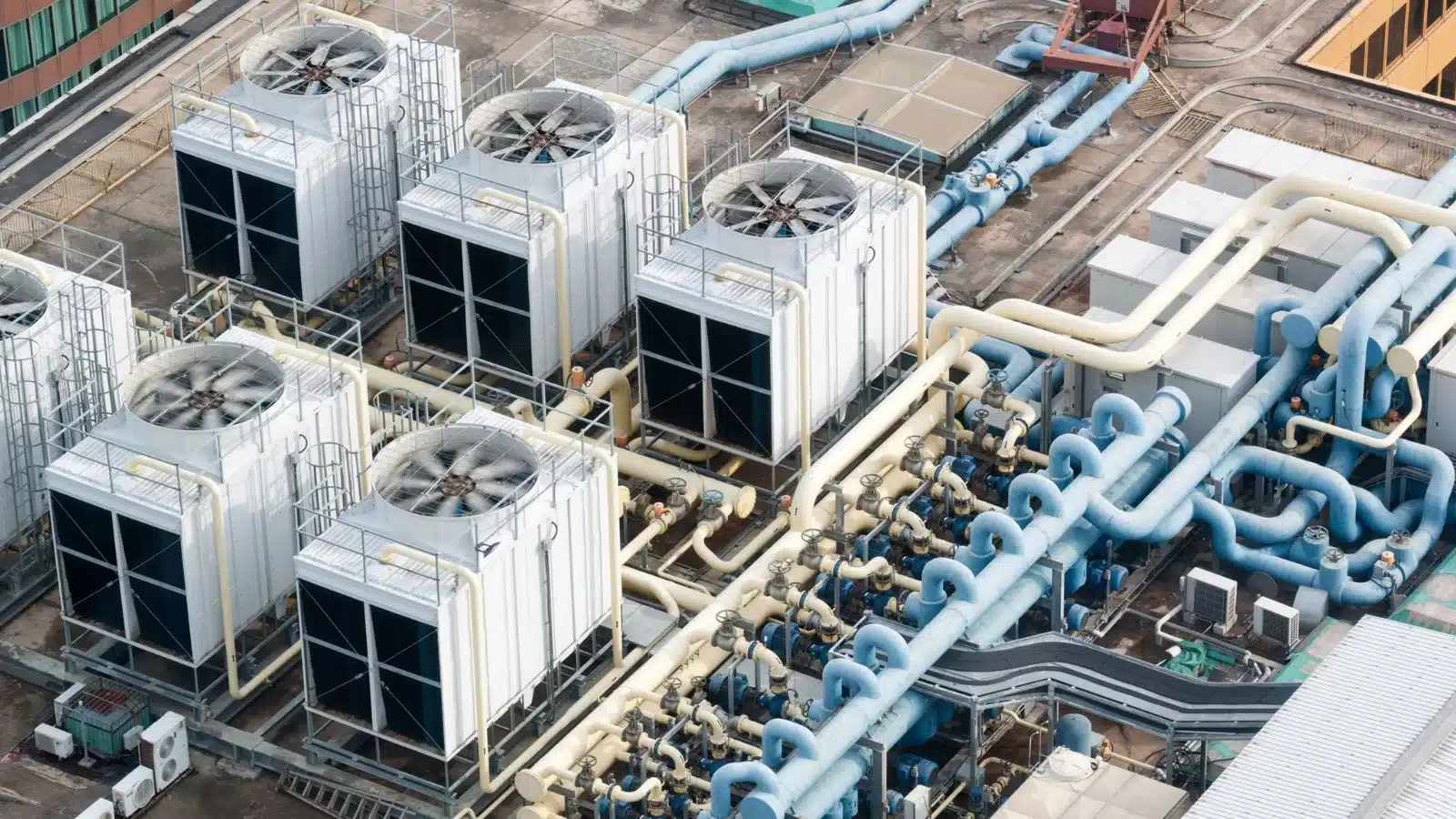
Different Types of Commercial HVAC Equipment in Saudi Arabia
AskA Solution
We firmly believe that the internet should be available and accessible to anyone, and are committed to providing a website that is accessible to the widest possible audience, regardless of circumstance and ability.
To fulfill this, we aim to adhere as strictly as possible to the World Wide Web Consortium’s (W3C) Web Content Accessibility Guidelines 2.1 (WCAG 2.1) at the AA level. These guidelines explain how to make web content accessible to people with a wide array of disabilities. Complying with those guidelines helps us ensure that the website is accessible to all people: blind people, people with motor impairments, visual impairment, cognitive disabilities, and more.
This website utilizes various technologies that are meant to make it as accessible as possible at all times. We utilize an accessibility interface that allows persons with specific disabilities to adjust the website’s UI (user interface) and design it to their personal needs.
Additionally, the website utilizes an AI-based application that runs in the background and optimizes its accessibility level constantly. This application remediates the website’s HTML, adapts Its functionality and behavior for screen-readers used by the blind users, and for keyboard functions used by individuals with motor impairments.
If you’ve found a malfunction or have ideas for improvement, we’ll be happy to hear from you. You can reach out to the website’s operators by using the following email
Our website implements the ARIA attributes (Accessible Rich Internet Applications) technique, alongside various different behavioral changes, to ensure blind users visiting with screen-readers are able to read, comprehend, and enjoy the website’s functions. As soon as a user with a screen-reader enters your site, they immediately receive a prompt to enter the Screen-Reader Profile so they can browse and operate your site effectively. Here’s how our website covers some of the most important screen-reader requirements, alongside console screenshots of code examples:
Screen-reader optimization: we run a background process that learns the website’s components from top to bottom, to ensure ongoing compliance even when updating the website. In this process, we provide screen-readers with meaningful data using the ARIA set of attributes. For example, we provide accurate form labels; descriptions for actionable icons (social media icons, search icons, cart icons, etc.); validation guidance for form inputs; element roles such as buttons, menus, modal dialogues (popups), and others. Additionally, the background process scans all the website’s images and provides an accurate and meaningful image-object-recognition-based description as an ALT (alternate text) tag for images that are not described. It will also extract texts that are embedded within the image, using an OCR (optical character recognition) technology. To turn on screen-reader adjustments at any time, users need only to press the Alt+1 keyboard combination. Screen-reader users also get automatic announcements to turn the Screen-reader mode on as soon as they enter the website.
These adjustments are compatible with all popular screen readers, including JAWS and NVDA.
Keyboard navigation optimization: The background process also adjusts the website’s HTML, and adds various behaviors using JavaScript code to make the website operable by the keyboard. This includes the ability to navigate the website using the Tab and Shift+Tab keys, operate dropdowns with the arrow keys, close them with Esc, trigger buttons and links using the Enter key, navigate between radio and checkbox elements using the arrow keys, and fill them in with the Spacebar or Enter key.Additionally, keyboard users will find quick-navigation and content-skip menus, available at any time by clicking Alt+1, or as the first elements of the site while navigating with the keyboard. The background process also handles triggered popups by moving the keyboard focus towards them as soon as they appear, and not allow the focus drift outside it.
Users can also use shortcuts such as “M” (menus), “H” (headings), “F” (forms), “B” (buttons), and “G” (graphics) to jump to specific elements.
We aim to support the widest array of browsers and assistive technologies as possible, so our users can choose the best fitting tools for them, with as few limitations as possible. Therefore, we have worked very hard to be able to support all major systems that comprise over 95% of the user market share including Google Chrome, Mozilla Firefox, Apple Safari, Opera and Microsoft Edge, JAWS and NVDA (screen readers).
Despite our very best efforts to allow anybody to adjust the website to their needs. There may still be pages or sections that are not fully accessible, are in the process of becoming accessible, or are lacking an adequate technological solution to make them accessible. Still, we are continually improving our accessibility, adding, updating and improving its options and features, and developing and adopting new technologies. All this is meant to reach the optimal level of accessibility, following technological advancements. For any assistance, please reach out to
We have received your inquiry and our team will review your requested items and get back to you as soon as possible.