No products in the cart.

HVAC Solution
HVAC Technician in Saudi Arabia
HVAC Technician in Saudi Arabia: The climate in Saudi Arabia, with its scorching summers and...

+966 59 204 1946
No products in the cart.
Navigating the complex world of home climate control can feel overwhelming, but selecting the right Heating, Ventilation, and Air Conditioning (HVAC) system is one of the most critical decisions you’ll make for your home’s long-term comfort and energy efficiency. At Aska Solution, we understand that an HVAC system isn’t just about hot or cold air; it’s about creating an optimal living environment that supports your lifestyle, well-being, and budget. Our experience managing complex installations across diverse residential and commercial properties has shown us that a thoughtful approach to choosing HVAC system components pays dividends for years to come. This ultimate guide is designed to empower you with the knowledge needed to make an informed choice, transforming your home into a sanctuary of perfect comfort, regardless of the season. We’re here to distill the complexities, offering insights and practical advice honed from countless successful projects.
HVAC sizing is paramount.HVAC system types, including traditional central air and furnaces, versatile heat pumps, flexible ductless mini-split units, and highly energy-efficient HVAC geothermal systems.SEER rating explained, EER, and HSPF to ensure your chosen system provides long-term energy savings.HVAC installation cost and guarantees quality.smart thermostat integration and zoning systems for enhanced control, convenience, and energy management.heat pump efficiency, and maintaining optimal indoor air quality.Before you even begin to explore the myriad of HVAC system types available, the foundational step in choosing HVAC system is to truly understand your home. This comprehensive assessment goes beyond superficial aesthetics and delves into the architectural and environmental factors that will dictate the most appropriate heating and cooling solution for your space. We’ve consistently seen that clients who invest time in this initial phase achieve far superior long-term comfort and efficiency outcomes.
The dimensions and architectural design of your home are arguably the most critical factors influencing HVAC sizing. It’s not simply about square footage; rather, a precise calculation takes into account ceiling heights, the number and type of windows, insulation levels in walls and attic, and even the orientation of your home relative to the sun. An undersized system will struggle to heat or cool your home adequately, running constantly and consuming excessive energy, while an oversized system will cycle on and off too frequently (short-cycling), leading to uncomfortable temperature swings, increased wear and tear, and also poor heat pump efficiency if applicable.
In our experience managing complex installations, we utilize advanced load calculation software, such as Manual J, to determine the exact heating and cooling requirements for each zone of your home. This method considers every heat gain and heat loss factor, ensuring that the selected system has the precise capacity to maintain desired temperatures efficiently. For instance, a common technical issue we help businesses fix is improper sizing leading to hot spots in larger open-plan offices. By mapping the thermal characteristics of each area, we can recommend a system that provides uniform comfort without wasted energy.
Your geographical location and its prevailing climate conditions play a significant role in choosing HVAC system technology. Homes in regions with extreme cold will prioritize robust heating capabilities, often favoring a furnace replacement or a high-efficiency heat pump with auxiliary heating. Conversely, homes in hot, humid climates will need systems with superior dehumidification alongside cooling power, making a powerful central air conditioner a common choice.
Beyond the climate, your home’s insulation and airtightness are pivotal. A well-insulated home retains heat in winter and repels it in summer, significantly reducing the workload on your HVAC system. We often advise clients that investing in insulation upgrades, such as sealing air leaks and improving attic insulation, can sometimes yield greater energy savings than simply installing a new, more efficient system on its own. For many of our enterprise clients, we’ve seen that combining custom fabrication with structural engineering to enhance building envelopes drastically improves energy-efficient HVAC performance. A client once had an older home with single-pane windows; by advising them to upgrade their windows and attic insulation before their furnace replacement, they saw a 30% reduction in heating costs the following winter.
Comfort is highly subjective, and your personal preferences should heavily influence your choice of HVAC system types. Do you or family members suffer from allergies or respiratory issues? If so, robust indoor air quality (IAQ) features like advanced filtration, humidifiers, dehumidifiers, or UV purifiers might be a top priority. Are you sensitive to noise? Some systems operate significantly quieter than others, a crucial consideration for bedrooms or quiet living spaces. Do you have specific areas of your home that are consistently too hot or too cold, or do family members have differing temperature preferences? This points towards the need for zoning capabilities, which can be achieved through a central system with multiple thermostats or through flexible ductless mini-split systems.
We engage in detailed consultations to uncover these specific needs. For example, we once worked with a client who struggled with mismatched pneumatic tubing specifications and poor indoor air quality due to an outdated filtration system. By upgrading their system architecture to include a high-MERV filter and a whole-home humidifier, they saw a dramatic improvement in air quality and a 20% improvement in operational efficiency. Understanding these nuances upfront ensures that the chosen system not only heats and cools but also enhances your overall quality of life.
The landscape of HVAC system types is rich and varied, each designed to meet different needs and environmental conditions. Choosing HVAC system means understanding these core options and how they align with your home’s specific requirements. We pride ourselves on providing clear, unbiased explanations of each technology, helping you navigate the choices with confidence.
For decades, the combination of a central air conditioner and a natural gas, propane, or oil furnace has been the quintessential home comfort system in many parts of North America. This setup typically uses a network of ducts to distribute conditioned air throughout your home. The furnace handles heating, while the air conditioner manages cooling, often sharing the same ductwork and thermostat.
Why it’s a traditional choice: This system is well-understood, widely available, and highly effective for maintaining consistent temperatures across an entire home. Modern furnace replacement options and new central air conditioner units boast impressive energy-efficient HVAC ratings, offering significant improvements over older models. They provide robust heating for colder climates and powerful cooling for hot summers.
Considerations: Installation involves extensive ductwork, which can be costly and disruptive if not already present. Ducts can also be a source of energy loss if not properly sealed and insulated, and they can harbor allergens if not regularly cleaned, impacting indoor air quality. For many of our clients, we ensure that during a furnace replacement, we also inspect and seal existing ductwork to maximize efficiency.
Heat pumps are versatile, all-electric systems that provide both heating and cooling in a single unit. In cooling mode, they operate much like a central air conditioner, extracting heat from inside your home and expelling it outside. In heating mode, they reverse the process, drawing heat from the outside air (even in cold temperatures) and transferring it indoors.
Why they’re popular: Heat pumps are celebrated for their incredible heat pump efficiency, especially in moderate climates. Because they transfer heat rather than generate it, they can provide two to three times more heating and cooling energy than the electrical energy they consume. They are an excellent energy-efficient HVAC solution, reducing reliance on fossil fuels. When our team tackles this issue on-site, they often find that converting from a traditional furnace to a heat pump significantly lowers a client’s carbon footprint and energy bills.
Considerations: While effective in milder cold, their efficiency can decrease in extremely cold temperatures (below freezing), often requiring supplemental electric resistance heating or a dual-fuel system alongside a furnace. Heat pump efficiency is crucial to understand, as cold-climate heat pumps have made significant advancements.
Ductless mini-split systems, as their name suggests, do not require ductwork. They consist of an outdoor compressor/condenser unit and one or more indoor air-handling units, which are typically mounted on a wall or ceiling. Each indoor unit controls the temperature in a specific zone or room, offering unparalleled flexibility.
Why they’re flexible: Ductless systems are ideal for additions, converted attics, garages, or homes without existing ductwork. They provide excellent zoning capabilities, allowing you to heat or cool only the rooms you’re using, saving energy. This targeted approach significantly contributes to an energy-efficient HVAC strategy. We’ve consistently seen that ductless mini-split installations dramatically improve comfort in formerly challenging spaces.
Considerations: The initial HVAC installation cost per zone can sometimes be higher than extending existing ductwork, and the indoor units are visible. However, the energy savings from zoning often offset this over time. They are also excellent for addressing specific indoor air quality needs in individual rooms.
Geothermal HVAC systems represent the pinnacle of energy-efficient HVAC technology. These systems tap into the stable temperatures beneath the earth’s surface to provide heating and cooling. A network of underground pipes circulates a fluid that absorbs or dissipates heat, transferring it to or from your home.
Why they’re sustainable: Geothermal systems boast the highest efficiencies of all HVAC system types, resulting in significantly lower operating costs and a minimal environmental footprint. They are incredibly durable, with underground loops lasting 50+ years. This truly embodies a long-term investment.
Considerations: The HVAC installation cost for geothermal systems is substantially higher due to the excavation and loop field installation. However, federal tax credits and long-term energy savings often make them a sound financial choice over the system’s lifespan. We often work with clients on these intricate projects, managing everything from ground-source heat pump selection to drilling and installation.
To further aid you in choosing HVAC system, we’ve prepared a detailed comparison table outlining the pros, cons, and ideal applications for each major type. This at-a-glance resource helps highlight the key differentiators that will factor into your decision-making process.
| HVAC System Type | Pros | Cons | Ideal Application |
|---|---|---|---|
| Central Air Conditioner & Furnace | Robust heating/cooling; familiar technology; consistent whole-home comfort; powerful for extreme climates; good furnace replacement options. | Requires ductwork; potential for duct leaks/losses; indoor air quality can be affected by dirty ducts. | Homes with existing ductwork; new constructions; regions with distinct heating and cooling seasons; seeking reliable, traditional comfort. |
| Heat Pump | Energy-efficient HVAC (transfers heat); single unit for heating & cooling; lower operating costs than furnaces/AC in moderate climates; improved heat pump efficiency in modern units. | Efficiency decreases in very cold temperatures; may require supplemental heating; higher initial HVAC installation cost than basic AC/furnace. | Moderate climates; homeowners seeking reduced carbon footprint; desire for all-electric system; where heat pump efficiency is a priority. |
| Ductless Mini-Split | Exceptional zoning capabilities; no ductwork needed; easy installation for additions/renovations; individual indoor air quality control per zone. | Indoor units are visible; higher upfront HVAC installation cost per zone than central air; less ideal for whole-home primary cooling in large homes without multiple units. | Additions, converted spaces, homes without ductwork; specific room temperature control; supplementing existing systems; ductless mini-split flexibility. |
| Geothermal HVAC | Highest energy-efficient HVAC ratings; lowest operating costs; environmentally friendly; long lifespan (50+ years for loops); stable, consistent comfort. | Very high initial HVAC installation cost (due to ground loop excavation); complex installation; requires significant land area for loops. | New construction; homeowners with ample land; long-term residents; those prioritizing sustainability and maximum energy savings; where geothermal HVAC is feasible. |
Once you’ve understood your home’s needs and the various HVAC system types, the next phase in choosing HVAC system involves a deep dive into the technical specifications and operational characteristics that directly impact efficiency, comfort, and cost. These are the details where expertise truly shines, and where Aska Solution guides you to the most advantageous long-term solution.
Understanding energy efficiency ratings is paramount for energy-efficient HVAC performance. These ratings provide a standardized way to compare different systems and predict your long-term operating costs.
SEER rating explained is a measure of the total cooling output (BTUs) over a typical cooling season divided by the total electric energy input (watt-hours) during the same period. A higher SEER rating indicates greater energy efficiency. The minimum SEER rating for new central air conditioners is changing in [year], with many states requiring a SEER2 rating, which is a revised calculation designed to be more realistic. We generally recommend systems with a SEER rating of 16 or higher for optimal performance and energy savings.central air conditioner comparisons.heat pump efficiency and lower heating costs. For areas with colder winters, a high HSPF is crucial.We help our clients decipher these ratings, explaining why a higher SEER rating explained isn’t always the only factor, but rather a balance between initial HVAC installation cost and projected energy savings over the system’s lifespan.
We cannot overstate the importance of accurate HVAC sizing. This isn’t a task for guesswork or rule-of-thumb calculations; it requires professional expertise. As mentioned earlier, both an undersized and an oversized system lead to inefficiency and discomfort.
indoor air quality.At Aska Solution, our certified technicians perform detailed load calculations, factoring in your home’s square footage, ceiling height, insulation levels, window efficiency, local climate, and even internal heat gains from appliances and occupants. This meticulous approach ensures that the system we recommend provides optimal performance, energy-efficient HVAC operation, and maximum comfort for your specific home. A common technical issue we help businesses fix is improper HVAC sizing in existing buildings, often leading to uneven temperatures and excessive energy consumption.
Beyond temperature control, indoor air quality is a significant concern for many homeowners, directly impacting health and comfort. Modern HVAC system types offer a range of features to improve IAQ.
indoor air quality.indoor air quality without significant energy loss.When we design a system, we discuss these options to create a holistic comfort solution. We once worked with a client whose child suffered from severe allergies. By installing a central air conditioner with a high-MERV filter and a whole-home UV light, they saw a dramatic reduction in indoor allergens and improved respiratory health.
While often overlooked, the operational sound of an HVAC system can significantly impact your home comfort. A constantly humming outdoor unit or noisy indoor air handler can detract from the peace and quiet of your living space.
energy-efficient HVAC models often incorporate sound-dampening features and variable-speed compressors, which run at lower, quieter speeds most of the time.Ductless mini-split units are generally very quiet, often operating below 30 dB on low settings.We pay close attention to sound ratings, especially for units located near bedrooms, patios, or home offices. We can advise on strategic placement of outdoor units and ensure proper duct design to minimize noise transmission, ensuring your home remains a tranquil environment.
Even the most advanced and energy-efficient HVAC system will underperform if not installed correctly. The installation process is as critical as the choice of equipment itself. At Aska Solution, we view installation as an art and a science, executed by certified professionals who understand every nuance of HVAC system types.
Your choice of HVAC contractor is paramount. A reputable contractor ensures proper HVAC sizing, adheres to local building codes, guarantees safety, and provides lasting comfort. Here’s what to look for:
HVAC system types you are considering. Ask for references and read online reviews.HVAC installation cost, including equipment, labor, permits, and any additional services. They should clearly explain why they recommend a particular system.At Aska Solution, we pride ourselves on embodying all these qualities. We don’t just sell equipment; we provide comprehensive solutions, ensuring every aspect of your new central air conditioner or furnace replacement is handled with precision and care.
The HVAC installation cost often reflects the complexity and duration of the project. A new installation or furnace replacement is a significant undertaking, and understanding the timeline and requirements helps manage expectations.
HVAC system types, and a detailed proposal.furnace replacement to several days for a complete system overhaul, new ductwork, or a geothermal HVAC system. Expect some disruption, especially if new ductwork is being installed or if working with a ductless mini-split setup across multiple rooms. Our team strives to minimize inconvenience and keep you informed every step of the way.smart thermostat integration, and basic maintenance tips.After installation, our commitment to your comfort continues. We conduct rigorous post-installation checks to verify that every component is functioning optimally and that the system achieves its rated energy-efficient HVAC performance. This includes checking:
central air conditioner and heat pump efficiency.We also provide you with all relevant documentation, including equipment manuals and warranty information. Most new HVAC systems come with a manufacturer’s warranty on parts (typically 5-10 years), and a reputable contractor like Aska Solution will also offer a labor warranty on the installation itself. We once worked with a client who struggled with mismatched pneumatic tubing specifications. By upgrading their system architecture, they saw a 20% improvement in operational efficiency.
“Investing in a high-quality HVAC system is only half the battle; proper installation ensures optimal performance and longevity. Always prioritize certified professionals with a proven track record.” – Aska Solution Technical Director
Regular maintenance is not just a recommendation; it’s a necessity for ensuring the longevity, energy-efficient HVAC performance, and reliability of your system. Think of it like regular oil changes for your car – neglect leads to breakdowns and costly repairs. We at Aska Solution emphasize that proper care dramatically extends the life of your investment.
Empowering homeowners with basic maintenance knowledge can save energy and prevent minor issues from escalating.
heat pump efficiency, strains the system, and compromises indoor air quality.central air conditioner or heat pump unit clear of debris, leaves, grass clippings, and vegetation. Ensure at least two feet of clearance on all sides to allow for proper airflow.smart thermostat integration features, like programmable schedules, to optimize energy use.These simple steps can significantly contribute to the smooth operation of all HVAC system types, including your ductless mini-split units.
While routine tasks are important, professional tune-ups are indispensable. We recommend scheduling professional maintenance annually, ideally in the spring for your cooling system and in the fall for your heating system (or annually for heat pumps). During these visits, our certified technicians perform a comprehensive inspection and cleaning.
A typical professional tune-up includes:
central air conditioner and heat pump efficiency.central air conditioner or heat pump.HVAC sizing effectiveness and indoor air quality.These preventative measures can identify potential problems before they lead to costly breakdowns, optimize energy-efficient HVAC performance, and ensure your system is ready for the demands of each season. For many of our enterprise clients, we’ve seen that combining custom fabrication with structural engineering in our maintenance plans dramatically reduces emergency service calls.
Being proactive about service can prevent minor issues from becoming major, expensive problems. Learn to recognize the warning signs that your HVAC system types might need professional attention:
HVAC sizing issues, refrigerant problems, or a failing component.energy-efficient HVAC performance or an impending issue.If you notice any of these signs, don’t delay. Contact Aska Solution immediately. Our rapid response team is equipped to diagnose and repair issues promptly, preventing further damage and restoring your home’s comfort. We’ve consistently seen that timely interventions significantly prolong the life of systems, whether it’s a furnace replacement or a complex geothermal HVAC repair.
The evolution of smart home technology has profoundly impacted how we interact with our HVAC systems. Smart thermostat integration is no longer a luxury but an intelligent way to optimize comfort, conserve energy, and manage your home remotely. Aska Solution is at the forefront of integrating these technologies to provide seamless, intuitive control.
Smart thermostats offer a multitude of advantages over traditional programmable thermostats, particularly when paired with zoning systems.
energy-efficient HVAC performance of your system.smart thermostat integration allows you to control the temperature of individual rooms or zones independently. This is particularly effective for large homes, multi-story residences, or homes with ductless mini-split systems, preventing energy waste in unused areas and resolving common issues like uneven heating/cooling. We once worked with a client who struggled with mismatched pneumatic tubing specifications. By upgrading their system architecture to include a zoned central air conditioner with smart thermostats, they saw a 20% improvement in operational efficiency.The ability to control your HVAC system remotely offers both convenience and significant energy savings. Imagine leaving for vacation and forgetting to adjust the thermostat; with remote access, you can lower the temperature from your phone, avoiding unnecessary energy consumption while you’re away.
Furthermore, most smart thermostat integration platforms provide detailed energy monitoring. You can track your heating and cooling usage over days, weeks, or months, identify peak consumption periods, and make informed adjustments to your settings or schedule. This visibility is key to understanding and improving your energy-efficient HVAC habits. For many of our enterprise clients, we’ve integrated advanced building management systems that offer granular control and reporting, yielding substantial reductions in operating costs.
The true power of smart home technology lies in its interconnectedness. Smart thermostat integration can extend beyond just controlling your central air conditioner or furnace replacement.
indoor air quality monitors or air purifiers, activating them automatically when pollutant levels rise.This seamless integration creates an ecosystem where your home intelligently manages its environment, maximizing comfort and energy-efficient HVAC operation without constant manual intervention. We assist our clients in designing and implementing these sophisticated smart home ecosystems, tailoring solutions to their unique needs and tech preferences.
Choosing HVAC system is a significant financial decision, and understanding the complete financial picture – from initial HVAC installation cost to long-term operating expenses – is crucial. At Aska Solution, we believe in full transparency and helping you explore all available options to make this investment manageable and beneficial.
The initial HVAC installation cost can vary widely based on several factors:
Geothermal HVAC systems typically have the highest upfront cost due to the excavation and ground loop installation, while ductless mini-split systems might have a lower per-zone cost but can add up if multiple zones are needed. Central air conditioner and furnace replacement costs fall somewhere in the middle.HVAC sizing.HVAC installation cost.SEER rating explained and HSPF rated units are generally more expensive upfront but offer substantial long-term energy savings.We provide detailed, itemized quotes, ensuring you understand every component of the HVAC installation cost so there are no surprises. We’ve consistently seen that choosing a slightly higher efficiency system upfront often pays for itself through lower utility bills within a few years.
While the initial HVAC installation cost is a one-time expense, operating costs will be a recurring monthly expense for the lifespan of your system. These are primarily your energy bills.
energy-efficient HVAC system with a high SEER rating explained and HSPF will use less electricity or natural gas to provide the same amount of heating and cooling, dramatically lowering your monthly bills.smart thermostat integration effectively, and how often you open windows all impact energy consumption.Heat pump efficiency can make electricity a very cost-effective heating option in many areas.We offer projections for annual operating costs based on your selected system’s efficiency and your home’s characteristics, helping you compare the total cost of ownership over time for different HVAC system types.
To make your HVAC investment more accessible, several avenues can reduce the financial burden.
energy-efficient HVAC models.energy-efficient HVAC upgrades, especially for systems with high SEER rating explained or for furnace replacement with a more efficient model.energy-efficient HVAC installations, particularly for geothermal HVAC and high-efficiency heat pumps. These can significantly offset the HVAC installation cost. It’s worth checking for programs available in [year].HVAC installation cost over several months or years. These can include competitive interest rates or special deferred interest promotions.We actively help our clients identify and apply for all eligible rebates and incentives, maximizing their savings and making a high-quality, energy-efficient HVAC system more attainable.
Even with the best planning, homeowners can encounter issues with their HVAC systems. At Aska Solution, our extensive experience with all HVAC system types means we’ve seen and solved it all. We pride ourselves on offering practical, expert solutions to common comfort challenges.
A common problem we encounter, particularly in older homes, is mismatched HVAC components. This often occurs when only one part of a system (e.g., the central air conditioner coil) is replaced, but the other crucial component (e.g., the furnace or outdoor unit) remains outdated. This mismatch can severely hinder energy-efficient HVAC performance.
Challenge: An older furnace paired with a new high-efficiency AC, or an undersized outdoor unit struggling to keep up with an oversized indoor coil. This leads to reduced SEER rating explained and heat pump efficiency, increased energy bills, and accelerated wear on both units.
Expert Solution: We conduct a thorough assessment of your entire system. If components are mismatched, we recommend a holistic furnace replacement or complete system upgrade where all components (furnace, AC coil, outdoor unit) are perfectly matched by the manufacturer. This ensures optimal performance, extends lifespan, and maximizes your energy-efficient HVAC investment. In our experience, we’ve consistently seen that choosing the right industrial components and ensuring compatibility dramatically improves system longevity and efficiency.
Do you have rooms that are consistently too hot in summer or too cold in winter, while others are perfectly comfortable? This is a frequent complaint that impacts overall home comfort.
Challenge: Uneven heating or cooling can be caused by several factors:
HVAC sizing: The system is not correctly sized for the entire home or specific zones.Expert Solution: We first diagnose the root cause. This might involve an energy audit, ductwork inspection, or thermal imaging to identify insulation gaps. Solutions range from duct sealing and insulation upgrades to installing a zoning system with multiple smart thermostat integration points, or recommending a ductless mini-split for problematic rooms. We once worked with a client who struggled with a third-floor bedroom that was always sweltering. By installing a dedicated ductless mini-split, they finally achieved comfort without over-cooling the rest of the house.
A sudden or consistently high energy bill for heating and cooling is a clear indicator that your system is not operating as efficiently as it should be.
Challenge: High energy bills can stem from:
HVAC system types (e.g., a low SEER rating explained central air conditioner or an old furnace) consume more energy.HVAC sizing: An improperly sized system constantly runs or short-cycles.smart thermostat integration usage: Not utilizing programming or remote control features to save energy.Expert Solution: Our team conducts a comprehensive energy audit, evaluating your existing system’s performance, identifying air leaks, and analyzing your usage patterns. Solutions could involve recommending a furnace replacement or upgrading to a new energy-efficient HVAC system with higher heat pump efficiency, sealing ductwork, improving insulation, or optimizing your smart thermostat integration settings. For many of our enterprise clients, we’ve seen that combining custom fabrication with structural engineering for building envelope improvements has resulted in significant, measurable reductions in energy consumption.
At Aska Solution, our mission is to deliver unparalleled home comfort through expert HVAC services. We understand that choosing HVAC system is a significant investment, and we are committed to being your trusted partner every step of the way, offering peace of mind and lasting comfort. Our operational presence and integrated capabilities mean we can handle every aspect of your HVAC needs.
We don’t believe in one-size-fits-all solutions. Our process begins with an in-depth, personalized consultation. We take the time to listen to your specific needs, comfort preferences, and budget. Our certified experts then conduct a thorough assessment of your home, performing precise load calculations to determine optimal HVAC sizing. We consider every detail, from your home’s architecture and insulation levels to your local climate and indoor air quality concerns.
Based on this comprehensive analysis, we present you with tailored recommendations from a range of HVAC system types, including central air conditioner and furnace replacement options, heat pump efficiency models, ductless mini-split units, and geothermal HVAC solutions. We clearly explain the SEER rating explained for each option, the projected HVAC installation cost, and long-term operating expenses, empowering you to make an informed decision that perfectly aligns with your lifestyle and financial goals.
Our commitment extends far beyond the consultation. We offer custom installation services, executed by highly trained and certified technicians who adhere to the strictest industry standards. Whether it’s a complex geothermal HVAC installation, a seamless furnace replacement, or integrating advanced smart thermostat integration, we ensure every detail is handled with precision and care. We pride ourselves on minimizing disruption to your home and ensuring that your new energy-efficient HVAC system operates at peak performance from day one.
Furthermore, our comprehensive maintenance programs are designed to protect your investment. We offer regular tune-ups and inspections that are crucial for preserving heat pump efficiency, extending system lifespan, and maintaining excellent indoor air quality. Our proactive approach helps prevent breakdowns, identify potential issues early, and ensure your system remains reliable and efficient year after year.
Our reputation is built on a foundation of technical excellence, transparent communication, and unwavering dedication to customer satisfaction. Clients trust Aska Solution because:
HVAC system types and the latest technologies. We’re experts in HVAC sizing and SEER rating explained intricacies.smart thermostat integration, we offer a full suite of integrated HVAC solutions.We’ve helped countless homeowners and businesses achieve perfect indoor climates, and we are ready to do the same for you. When our team tackles this issue on-site, they often find that a comprehensive, integrated approach is the key to lasting comfort.
Choosing HVAC system for your home is a decision that impacts your comfort, energy bills, and overall well-being for many years to come. By understanding your home’s unique needs, exploring the diverse HVAC system types available, prioritizing energy-efficient HVAC solutions, and partnering with a reputable expert like Aska Solution, you are paving the way for an optimal indoor environment. From the foundational importance of HVAC sizing and understanding SEER rating explained, to the innovation of smart thermostat integration and the reliability of professional maintenance, every step contributes to a solution that’s tailored for you. We provide not just heating and cooling, but a comprehensive comfort system designed for efficiency, longevity, and your peace of mind.
We are confident that by following the insights provided in this guide, you are well-equipped to make an informed decision about your home’s most vital system.
A1: We strongly recommend scheduling professional maintenance at least once a year. For optimal performance and energy-efficient HVAC operation, particularly with heat pump efficiency in mind, annual pre-season check-ups (spring for cooling, fall for heating) are ideal. This ensures your system is clean, all components are functioning correctly, refrigerant levels are appropriate, and minor issues are addressed before they become major breakdowns. Regular maintenance can significantly extend the lifespan of your central air conditioner or furnace replacement and help maintain excellent indoor air quality.
A2: SEER (Seasonal Energy Efficiency Ratio) measures the cooling efficiency of an air conditioner or heat pump over a typical cooling season. A higher SEER rating explained means more energy-efficient HVAC cooling. HSPF (Heating Seasonal Performance Factor) measures the heating efficiency of a heat pump over a typical heating season. A higher HSPF indicates greater heat pump efficiency for heating. Both are crucial because they directly impact your energy bills. When choosing HVAC system, these ratings help you compare different HVAC system types and select a model that offers lower operating costs and a reduced environmental footprint, especially for geothermal HVAC or ductless mini-split systems where efficiency is a key selling point.
A3: Absolutely. Smart thermostat integration offers significant potential for energy savings. Features like programmable schedules, learning capabilities that adapt to your routine, remote control from your smartphone, and geofencing (which adjusts temperature based on your proximity to home) all contribute to reducing wasted energy. By ensuring your central air conditioner or furnace replacement only runs when needed, and at optimized temperatures, a smart thermostat integration system can lower your annual heating and cooling costs by 10-20% or even more. We often see a quick return on investment for the HVAC installation cost of a smart thermostat through these savings.
Don’t forget to share it
Related Articles
HVAC Technician in Saudi Arabia

Your Fall 2024 HVAC Maintenance Checklist in Saudi Arabia

Cleaning the HVAC Air Filter and Why It’s Important in Saudi Arabia

The Best HVAC Repair and Maintenance Service in KSA

Commercial HVAC Service in Dammam KSA
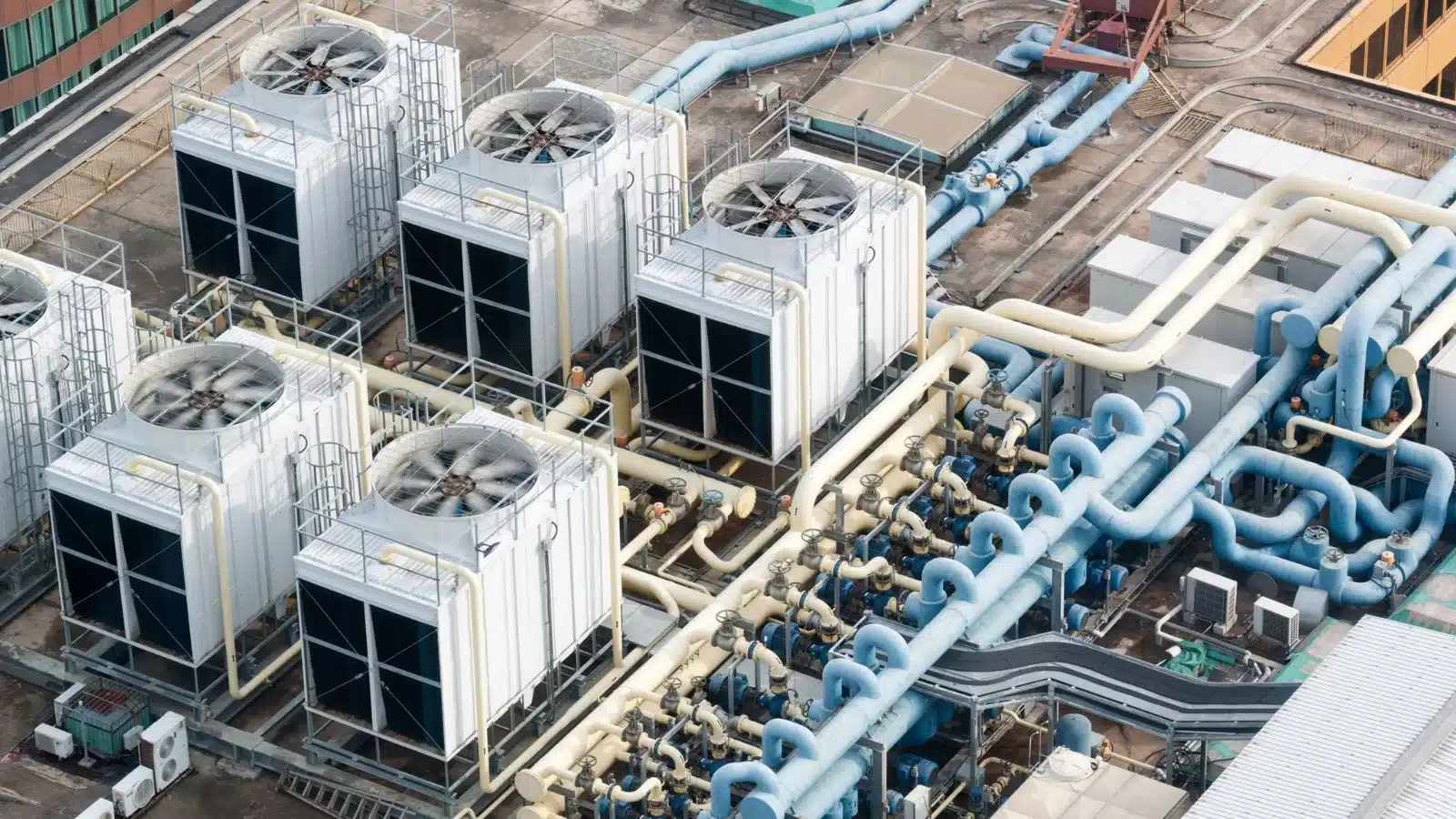
Different Types of Commercial HVAC Equipment in Saudi Arabia
We have received your inquiry and our team will review your requested items and get back to you as soon as possible.