No products in the cart.
Tools & Hardware
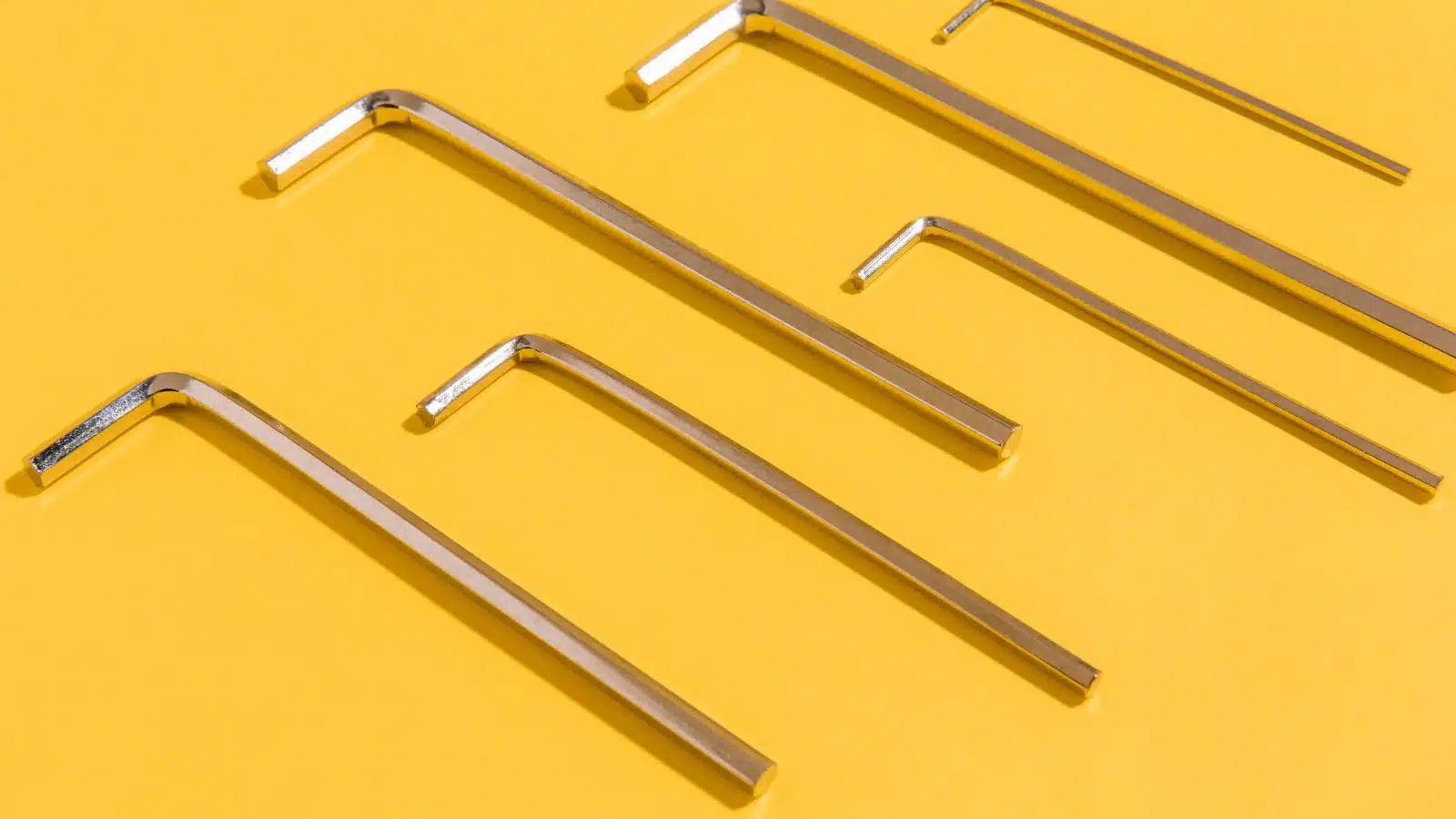
Why Choose Long Chrome Vanadium Allen Wrenches for Your Toolbox
Why Choose Long Chrome Vanadium Allen Wrenches for Your Toolbox: When it comes to equipping...

+966 59 204 1946
No products in the cart.
Embarking on a do-it-yourself (DIY) project can be incredibly rewarding, offering a sense of accomplishment and often significant savings. However, the path to successful DIY is often paved with unforeseen challenges, many of which stem directly from one fundamental aspect: the tools we choose and how we use them. At Aska Solution, we’ve observed countless times how the proper application of the right hand tools DIY tasks from frustrating failures into triumphs of craftsmanship.
Hand tools are the backbone of virtually every DIY endeavor, from hanging a picture to assembling furniture, and even undertaking significant renovations. They are the extensions of our hands, amplifying our strength and precision. Yet, they are often underestimated or chosen without due consideration, leading to compromised results, wasted effort, and sometimes even injury. Our deep experience in both hardware provision and engineering solutions consistently demonstrates that understanding and respecting your tools is paramount.
The difference between a flawlessly executed project and one fraught with imperfections often boils down to the right hand tools DIY. A project that should have been straightforward can become a frustrating ordeal if you’re trying to force an ill-suited wrench onto a bolt, or struggling with a dull saw. In our service experience, we’ve seen how clients attempting complex installations with inadequate tools face delays, material damage, and ultimately, higher costs. The choice of tool isn’t just about getting the job done; it’s about getting it done well, safely, and efficiently.
This comprehensive guide from Aska Solution aims to illuminate the most common hand tool blunders DIY enthusiasts make and, more importantly, provide actionable, expert-backed solutions. We will delve into why these mistakes occur, what their consequences are, and how you can avoid them to achieve truly professional DIY results. Our insights are drawn from years of equipping clients with not just the tools, but also the knowledge to master their projects.
Before we dive into the common pitfalls, it’s crucial to understand the foundational importance of selecting the right hand tools DIY. This isn’t merely about convenience; it’s about safety, efficiency, and the quality of your finished work. Many assume that any tool will suffice, but this perspective often leads to regrets.
The allure of a low-priced tool can be strong, especially when you’re just starting your DIY journey or working on a seemingly small project. However, in our view, “good enough” tools rarely are. Subpar tools are often made from inferior materials, have poor manufacturing tolerances, and are designed without an emphasis on longevity or performance. A cheap screwdriver might strip a screw head, ruining both the fastener and the material it’s holding, costing you more in replacements and repairs than the difference in price for a quality tool.
Consider a seemingly simple task like cutting wood. A low-quality handsaw might bind, bend, or have teeth that dull quickly, resulting in ragged, inaccurate cuts that require extensive sanding or even re-cutting the material. This not only wastes your time and effort but also leads to wasted materials, eroding any initial cost savings. In the long run, the cumulative cost of repeated purchases, project re-dos, and material waste far exceeds the initial investment in a set of durable, quality hand tools. We’ve guided countless customers through their tool selection, always emphasizing that investing in robust, reliable tools is an investment in the success and longevity of their projects.
Perhaps the most critical reason for choosing the right hand tools DIY is safety. Every year, thousands of DIY enthusiasts suffer injuries ranging from minor cuts and scrapes to severe lacerations, fractures, and even eye injuries, simply because they were using the wrong tool, a damaged tool, or were using a tool improperly. A worn-out wrench can slip, skinning knuckles or causing you to lose balance. A hammer with a loose head can send the head flying, posing a serious projectile risk.
Furthermore, using a tool for a purpose it wasn’t designed for significantly increases the risk of an accident. Trying to pry with a screwdriver, for instance, can cause the tip to snap off, sending sharp metal fragments flying, or cause the screwdriver to slip and pierce your hand. Our advice at Aska Solution always places home improvement safety at the forefront. We equip our clients with comprehensive tool selection guide resources, ensuring they understand the inherent risks and how the correct tool choice is your first line of defense against preventable injuries. When our technical teams handle an electro-mechanical installation, they ensure every technician has the correct, well-maintained tools, precisely because safety is non-negotiable.
The mark of a truly professional DIY result lies in its precision and finish. This is where the quality of your hand tools becomes undeniably apparent. Imagine trying to assemble a piece of furniture with poorly fitting screwdrivers that constantly cam out, stripping the screw heads and marring the wood. Or attempting to craft fine joinery with a dull chisel that splinters the wood instead of cleanly paring it. The outcome is frustration and an unsightly, structurally weaker result.
High-quality hand tools are designed and manufactured with precision, allowing for finer control, smoother operation, and consistent results. A well-balanced hammer provides better striking accuracy, reducing the risk of hitting your thumb or damaging the workpiece. A sharp, well-made plane shaves wood smoothly, creating perfect surfaces. These tools enable you to work with greater confidence and accuracy, allowing your skills to shine through and delivering those much-desired professional DIY results. We understand that the craftsmanship difference a good tool makes is immeasurable, transforming ordinary projects into extraordinary accomplishments.
A common misconception among DIYers is that a generic set of tools will suffice for almost any task. While a basic DIY tool kit is a great starting point, the specific requirements of each project often demand more specialized attention.
The “hammer trap” is a classic example of assuming one size fits all. Most homes have a single claw hammer, which is excellent for driving nails and prying them out. However, what if you need to tap delicate trim without marring it? A rubber mallet or a soft-face hammer would be far more appropriate. What if you’re working on concrete? A sledgehammer or a masonry hammer is required. Trying to use a standard claw hammer for these specialized tasks can lead to damaged materials, inefficient work, and even tool damage.
This principle extends to many other tool categories. A Phillips head screwdriver won’t help you with a Torx screw, and forcing it will strip the screw. A standard pair of pliers isn’t ideal for cutting wire, nor will it provide the leverage of a pipe wrench. Each tool is engineered for a specific function, and overlooking these distinctions severely limits your capabilities and the quality of your output. Understanding these nuances is a core part of developing true proficiency in using manual tools for home.
The dilemma of whether to borrow a specialized tool or buy a cheap version for a one-off project is common. While borrowing might seem economical, it often comes with hidden costs. Borrowed tools might be poorly maintained, dull, or simply not the right hand tools DIY for your specific application. Relying on them can lead to project delays, frustration, and potentially damaging someone else’s property.
Buying the cheapest possible version of a specialized tool often leads back to the issues of subpar quality discussed earlier. These tools break easily, perform poorly, and ultimately need replacement, costing more in the long run. We advocate for a balanced approach: identify your most frequent needs and invest in quality hand tools for those. For truly rare, highly specialized tasks, consider rental options from reputable suppliers who maintain their equipment. This approach ensures suitability and reliability without unnecessary long-term expenditure on tools you’ll seldom use.
The most effective solution to this mistake is a thorough pre-project tool assessment. Before you even buy materials, meticulously outline every step of your DIY project. For each step, identify the precise tools required. Do you need a specific type of saw for cross-cutting versus rip-cutting? Will you encounter different types of fasteners requiring various screwdriver bits or wrenches?
Create a detailed list, effectively a personalized DIY tool kit manifest for that specific project. Refer to reliable tool selection guide resources, and don’t hesitate to consult with experts. At Aska Solution, we often guide clients through this process, helping them specify not just the tool type but also the appropriate size, material, and features. This proactive approach ensures you have the right hand tools DIY at your disposal before you begin, preventing mid-project scrambles and costly improvisations.
The initial cost of a tool often overshadows its long-term value, leading many DIYers to compromise on quality and ergonomics. This is a short-sighted approach that can lead to disappointment and even injury.
Bargain bins are tempting, but the tools found there are typically mass-produced with cost-cutting measures that compromise durability, precision, and performance. A cheap tape measure might have an inaccurate scale or a flimsy blade that kinks easily. A budget wrench might have poor tolerances, leading to stripped bolt heads. A drill bit made of inferior steel will dull quickly, requiring frequent replacement or leading to slow, inefficient drilling.
The cumulative cost of replacing these low-grade tools, coupled with the frustration of repeated failures and subpar professional DIY results, invariably outweighs the initial savings. As we often tell our clients, a single high-quality tool that lasts for decades and performs flawlessly is a far better investment than a drawer full of cheap tools that constantly break or underperform. This philosophy is at the heart of our recommendations for quality hand tools.
Ergonomics, the science of designing tools for efficiency and comfort in the working environment, is often overlooked in tool selection. Yet, its impact on your DIY experience is profound. Tools with poorly designed handles, uncomfortable grips, or unbalanced weight can lead to hand fatigue, blisters, calluses, and even repetitive strain injuries over time. Imagine spending hours with a hammer that vibrates excessively or a screwdriver with a hard, angular handle.
Beyond discomfort, poor ergonomics directly impact control. A tool that feels unwieldy or forces your hand into an unnatural position reduces your ability to apply precise force or maintain a steady line. This increases the risk of mistakes, material damage, and, crucially, personal injury. For example, a poorly balanced saw can deviate from the cutting line, and a screwdriver that’s difficult to grip can slip, causing injury. Investing in ergonomic tools is not a luxury; it’s a necessity for comfort, safety, and achieving those desired professional DIY results.
The solution is straightforward: prioritize quality and ergonomics when building your DIY tool kit. This doesn’t necessarily mean buying the most expensive tools on the market, but rather seeking out reputable brands known for their craftsmanship and user-focused design. Look for tools made from high-grade materials, with comfortable, non-slip grips, and balanced designs.
Before purchasing, physically handle the tool if possible. Does it feel good in your hand? Is the weight distributed evenly? Does the grip feel secure? Consider the type of work you do most often. For tasks requiring repetitive motion, ergonomic tools are especially critical. A one-time investment in quality hand tools will pay dividends in increased efficiency, reduced fatigue, enhanced safety, and the satisfaction of tools that perform reliably for years, even decades. In our experience, clients who embrace this philosophy report significantly higher satisfaction with their DIY projects.
Possessing the right hand tools DIY is only half the battle; knowing how to use them correctly is equally vital. Many DIY blunders stem from a lack of understanding of proper technique, leading to frustration, damage, and potential injury.
A common error is applying excessive force where finesse is required, or vice-versa. Many DIYers mistakenly believe that brute strength is the answer to every stubborn problem. Forcing a screw that won’t turn can strip the head, damage the material, or break the screwdriver. Similarly, trying to saw through wood with insufficient pressure or the wrong technique can lead to binding, crooked cuts, or excessive effort.
Understanding the balance between force and finesse is crucial for maximizing tool effectiveness and preventing damage. Drilling, for instance, requires consistent, moderate pressure to allow the bit to cut efficiently, but too much pressure can overheat the bit, burn the material, or even break the bit. This nuanced understanding is what separates an amateur from someone achieving professional DIY results. It’s about letting the tool do the work, guided by your hand, rather than battling against it.
This is a classic and highly dangerous mistake. Using a screwdriver as a chisel, a pry bar, or even a punch is incredibly common but fraught with peril. Screwdrivers are designed to turn fasteners; their tips are not meant to withstand lateral prying forces or hammering. When misused, the tip can snap off, creating a sharp projectile, or the shaft can bend, rendering the tool useless. Similarly, trying to use a knife as a screwdriver or pliers as a hammer are equally hazardous practices.
The consequences extend beyond damaging the tool. Misusing tools can lead to severe personal injury (cuts, punctures, impact injuries) and irreparable damage to your project materials. A client once asked us about the necessity of specialized laboratory filters; we showed them how applying the correct grade led to a measurable lift in their quality control metrics. This same principle applies to tools: using the right one for its intended purpose is critical. This fundamental error highlights the importance of having a comprehensive DIY tool kit with the proper essential hand tools.
> “The single biggest cause of preventable DIY injuries is using the wrong tool for the job. It’s a fundamental misunderstanding of tool design and inherent safety.” – Dr. Eleanor Vance, Industrial Safety Consultant
The best defense against improper tool usage is education and practice. Before embarking on a new task or using an unfamiliar tool, take the time to learn the correct technique. There are abundant resources available: owner’s manuals, online tutorials, workshops, and expert advice. Pay attention to how professionals handle their manual tools for home.
Start with simple tasks, focusing on control, grip, and body posture. Practice makes perfect, and gradually you’ll develop the muscle memory and intuition required for more complex operations. Remember that our team at Aska Solution is always ready to provide guidance and a comprehensive tool selection guide to help you understand the nuances of various tools and their applications, ensuring you build confidence and competence with your right hand tools DIY.
Just like any other piece of equipment, hand tools require regular care and maintenance to perform optimally and last for years. Neglecting this crucial step is a common mistake that significantly shortens tool lifespan and compromises project quality.
One of the most visible signs of neglect is rust. Leaving metal tools exposed to moisture or storing them in damp environments without protection will inevitably lead to corrosion. A rusty wrench is not only unsightly but also less effective. Rust can seize moving parts, reduce grip on fasteners, and even compromise the tool’s structural integrity, making it dangerous to use. Similarly, leaving wood-handled tools in wet conditions can cause the wood to swell, crack, or rot.
Beyond rust, dirt, dust, and grime can accumulate in the moving parts of tools like pliers, clamps, or measuring tapes, causing them to stiffen, stick, or lose accuracy. This degradation directly impacts performance, making tasks harder and often leading to mistakes. The “rusty wrench syndrome” is a clear indicator that a tool has been neglected, diminishing its capacity to deliver professional DIY results.
For cutting tools—saws, chisels, planes, knives, drill bits—sharpness is paramount. A dull blade requires more force to cut, resulting in rougher edges, slower progress, and increased risk of the blade slipping and causing injury. Imagine trying to cut intricate joinery with a dull chisel that crushes wood fibers instead of cleanly slicing them. This inefficiency not only wastes your time and effort but also compromises the integrity and aesthetic of your project.
Similarly, cleaning tools is essential. Saw blades clogged with sap or resin will bind and cut poorly. Screwdriver tips covered in paint or grease lose their grip and are more likely to strip fasteners. Lubricating moving parts like those on pliers, snips, or folding rules ensures smooth operation. Neglecting these simple tool maintenance tips directly reduces the effectiveness of your essential hand tools and can even create unsafe working conditions.
The good news is that preventing tool degradation is relatively simple with a consistent care routine. After each use, take a few moments to clean your tools. Wipe off dirt, dust, and moisture. For metal tools, a light coat of oil or a rust-preventative spray can work wonders, especially before long-term storage. Store tools in a dry environment, ideally in a toolbox or cabinet that protects them from the elements.
For cutting tools, establish a regular sharpening schedule. Learning how to sharpen chisels, planes, and saws is a valuable skill that extends tool life and dramatically improves performance. Many DIY tool kit guides also include sections on basic tool maintenance. In our integrated approach to hardware and engineering services, we emphasize to our clients that proper maintenance is not an afterthought but a critical component of maximizing the value and performance of their quality hand tools.
One of the most dangerous mistakes DIYers make is underestimating the risks involved in seemingly minor tasks and, consequently, neglecting the use of Personal Protective Equipment (PPE). This oversight can lead to serious, life-altering injuries.
The pervasive myth that “it’s just a small job” or “I’ll only be a minute” is a major contributor to DIY accidents. Whether you’re hanging a picture, trimming a shrub, or drilling a single hole, there’s always a risk involved. A nail can deflect and strike an eye, a splinter can penetrate skin, or a power tool can kick back unexpectedly. Complacency is the enemy of home improvement safety.
We consistently observe that serious injuries often occur during routine or seemingly low-risk tasks precisely because the user lets their guard down. The absence of proper protection, even for a brief moment, can have catastrophic consequences. This fundamental misconception needs to be debunked to foster a safer DIY culture, one where the use of the right hand tools DIY is always paired with appropriate safety gear.
The human body is remarkably resilient, but certain areas are highly vulnerable to the hazards of DIY work.
These are not optional accessories; they are essential hand tools for personal safety. Our professional technicians never commence a task without ensuring all relevant PPE is in place, setting a standard for home improvement safety that all DIYers should emulate.
The solution is to make PPE an automatic, non-negotiable part of every DIY task, no matter how small. Before you even pick up a tool, put on your safety glasses. This requires developing a habit, much like buckling your seatbelt in a car. Create a dedicated space for your PPE so it’s easily accessible and visible.
Educate yourself and anyone helping you about the specific PPE required for different tasks. A good DIY tool kit should always include, at minimum, safety glasses, work gloves, and ear protection. For tasks involving dust, a dust mask might also be necessary. Prioritizing home improvement safety through consistent PPE use is a hallmark of truly competent and responsible DIYers, ensuring your projects are rewarding without risking your well-being.
The way you store and organize your tools has a profound impact on their longevity, your efficiency, and even your safety. A disorganized workspace and improper storage are common blunders with significant consequences.
Many DIYers are guilty of the “pile of tools” approach – a chaotic jumble of wrenches, screwdrivers, pliers, and other implements tossed haphazardly into a drawer, bucket, or corner of the workshop. This disorganization is a major time sink. Every time you need a specific tool, you waste precious minutes rummaging through the mess, disrupting your workflow and increasing frustration. This directly reduces project efficiency tools.
Beyond lost time, a cluttered pile of tools leads to damage. Delicate tool edges can be blunted, handles can be scratched, and precision components can be bent or broken when constantly banging against other tools. It also makes it harder to quickly identify and retrieve the right hand tools DIY requires, encouraging shortcuts or the use of improper tools simply because they are closer at hand.
Leaving tools exposed to the elements, especially in garages, sheds, or outdoor environments, is a recipe for accelerated wear and tear. Humidity, temperature fluctuations, and direct exposure to rain or condensation will quickly lead to rust and corrosion, even on otherwise quality hand tools. Moisture is the enemy of metal tools, causing them to degrade rapidly and rendering them ineffective or dangerous.
Wood-handled tools can crack, warp, or even grow mold when subjected to damp conditions. Tools with intricate mechanisms, like measuring tapes or power tool internals, can seize up if dust and debris are allowed to settle and mix with moisture. This neglect effectively shortens the lifespan of your valuable manual tools for home, costing you more in replacements and repairs over time.
The solution is to implement a systematic tool storage and organization strategy. This involves creating a dedicated home for every tool, ensuring it is protected from damage and the elements, and easily accessible. Options include:
Implementing these strategies improves project efficiency tools by minimizing search time, preserves the condition of your quality hand tools for longer, and creates a safer, more enjoyable workspace. Our expert guidance at Aska Solution often includes recommendations for optimal workshop layout and storage solutions, supporting our clients from initial hardware selection to long-term tool care.
Many DIYers, once they acquire a basic DIY tool kit, stop there, believing they have all they need. This reluctance to learn about new tools, techniques, or innovations is a significant oversight that can limit their potential and the quality of their projects.
While a core set of essential hand tools is vital, many tasks can be made significantly easier, faster, and more precise with the introduction of specialty tools. For instance, rather than struggling with a standard clamp for a complex glue-up, a specialized band clamp or corner clamp could provide superior pressure and alignment. Instead of manually cutting every piece of trim with a handsaw, a miter box or even a small miter saw (though technically a power tool, the concept applies) could drastically improve accuracy and speed.
Sticking only to the basics means you’re often working harder, not smarter. It can lead to frustration, slower project completion, and results that fall short of professional DIY results. The world of tools is constantly evolving, and a willingness to explore beyond your initial DIY tool kit can unlock new levels of capability and enjoyment in your projects.
The tool industry is vibrant and constantly innovating. New materials, ergonomic designs, and integrated technologies are continually being introduced to make DIY tasks safer, more efficient, and more enjoyable. From advancements in battery technology for cordless tools to the development of highly specialized jigs and measuring devices, there’s always something new that can enhance your capabilities.
Ignoring these innovations means missing out on opportunities to simplify complex tasks, improve accuracy, and reduce physical strain. For example, modern laser levels have revolutionized layout work, making it far more accurate and faster than traditional bubble levels for certain applications. Smart measuring tools and digital calipers offer unparalleled precision. Embracing these advancements can significantly elevate your professional DIY results.
The solution is a commitment to continuous learning and proactive tool exploration. Stay curious about what’s new in the market. Read tool reviews, watch instructional videos, attend workshops, and talk to experienced DIYers or professionals. Whenever you encounter a particularly challenging task, research if there’s a specialized tool designed to make it easier.
Regularly review your DIY tool kit and your project needs. Is there an ergonomic tools upgrade that could prevent fatigue? Are there project efficiency tools that could cut down your work time? Utilize resources like a comprehensive tool selection guide to understand the features and benefits of different tools. Aska Solution prides itself on being a resource for this journey, helping you discover the right hand tools DIY demands for every evolving skill and project. We provide not just the hardware but also the insights to empower your growth as a DIY enthusiast, ensuring you’re always equipped with the latest knowledge and best practices for tool maintenance tips and usage.
At Aska Solution, our mission extends far beyond simply selling tools and hardware. We are deeply invested in empowering our clients to achieve their DIY aspirations with confidence and competence. Our comprehensive understanding of both the intricacies of various tools and the practical challenges of project execution positions us as a unique partner in your DIY journey.
We understand that the sheer volume of tools available can be overwhelming. That’s why we don’t just provide a catalog; we offer a robust tool selection guide service rooted in practical experience. Whether you’re a seasoned pro looking for specific project efficiency tools or a beginner building your first DIY tool kit, our team takes the time to understand your needs, budget, and project scope. We guide you through the process, explaining the nuances between different types of quality hand tools, highlighting ergonomic benefits, and ensuring you make informed decisions that align with your long-term goals. In our service experience, this personalized consultation is invaluable for achieving professional DIY results.
What truly sets Aska Solution apart is our integrated approach. We don’t just supply manual tools for home; we connect the dots between the hardware you use and the engineering principles that underpin every successful project. When our technical teams handle an electro-mechanical installation, they ensure not only that the correct tools are used but also that the entire process adheres to stringent engineering standards. This holistic perspective informs our advice to DIYers. We can help you understand how specific fasteners interact with materials, how different cutting tools affect structural integrity, and how to maintain home improvement safety standards throughout your work. This integration ensures that when you choose the right hand tools DIY through us, you’re also gaining access to a wealth of applied knowledge, making your projects more robust and resilient.
The journey of DIY is incredibly rewarding, but it requires more than just enthusiasm; it demands the right hand tools DIY and the knowledge to wield them effectively. We’ve explored seven common blunders, from overlooking project-specific needs and neglecting tool quality to improper usage and disregarding safety. Each mistake carries consequences, impacting project quality, efficiency, and, most critically, your personal safety.
By actively addressing these pitfalls – investing in quality hand tools, understanding proper techniques, committing to regular tool maintenance tips, prioritizing home improvement safety with PPE, organizing your workspace, and continuously expanding your tool knowledge – you transform potential frustrations into opportunities for learning and success. The long-term benefits of this approach are immense: superior project outcomes, greater personal satisfaction, reduced costs from re-dos, and a safer, more enjoyable experience every time you pick up a tool. At Aska Solution, we believe that understanding and respecting your tools is the cornerstone of achieving truly professional DIY results.
—
A1: For a foundational DIY tool kit, we recommend starting with a claw hammer, a set of screwdrivers (Phillips and flathead in various sizes), a tape measure, a utility knife, a pair of pliers (combination and needle-nose), an adjustable wrench, a level, and a basic handsaw. These essential hand tools will cover a wide range of common manual tools for home tasks, allowing you to tackle many small projects with confidence and build towards professional DIY results.
A2: We recommend a quick clean and inspection of your tools after every use, and a more thorough maintenance session every 3-6 months, or before/after major projects. Critical tool maintenance tips include wiping tools clean to prevent rust, lubricating moving parts, sharpening cutting edges (saws, chisels, knives) when dull, and storing them in a dry, organized manner to maintain their effectiveness and longevity as quality hand tools.
A3: Absolutely, ergonomic tools make a significant difference and are far from a gimmick. They are designed to fit the human hand better, reduce strain, and minimize fatigue during prolonged use. This improves control, precision, and greatly enhances home improvement safety by reducing the risk of repetitive strain injuries and accidents caused by loss of grip or exhaustion. Investing in ergonomic tools is a smart choice for any serious DIYer, contributing to better project efficiency tools and a more comfortable experience.
A4: Ensuring home improvement safety starts with always wearing appropriate Personal Protective Equipment (PPE) like safety glasses, work gloves, and ear protection. Beyond that, always use the right hand tools DIY for the specific task, ensure tools are in good condition and properly maintained, understand the correct technique before you begin, and keep your workspace clear and organized. Never rush, and if unsure, consult a tool selection guide or seek expert advice.
A5: When selecting quality hand tools, focus on reputable brands known for their durability and performance. Read reviews, compare material construction (e.g., hardened steel, comfortable grip materials), and consider the warranty. While the cheapest option is often a false economy, you don’t always need the most expensive. Look for a balance of good reviews, solid construction, and a fair price. A comprehensive tool selection guide can help you identify value-for-money options that will deliver professional DIY results for years.
Don’t forget to share it
Related Articles
Why Choose Long Chrome Vanadium Allen Wrenches for Your Toolbox

Top 5 Uses for the Stanley 200mm Linesman Combination Plier
DIY Game Changers: Top Power Tools You Need Now
Master Your Workshop: The Ultimate Efficiency Guide
Mastering Workshop Organization: The Pro’s Efficiency Guide
Surprising Hardware Upgrades That Elevate Home Value
We have received your inquiry and our team will review your requested items and get back to you as soon as possible.