No products in the cart.

Fabrication Solution
The Best Material Fabrication in Saudi Arabia
The Best Material Fabrication in Saudi Arabia: The fabricators of the material need to be...


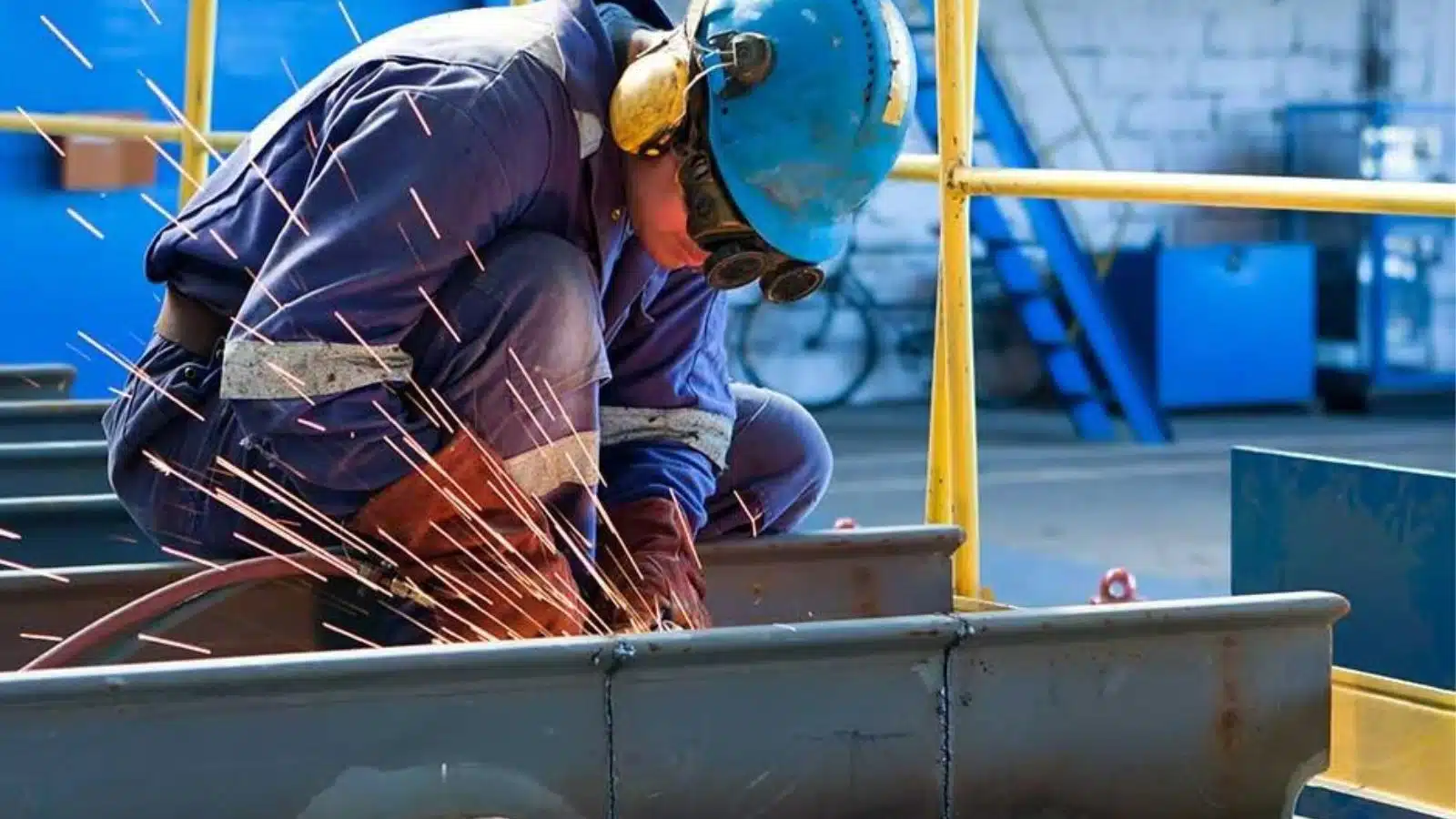
Understanding Welding Methods for Piping and Structural Connections: Welding is the backbone of industrial construction, particularly in sectors like oil and gas, petrochemicals, power generation, and manufacturing. At AskA Solution, a leading industrial services provider in Saudi Arabia, we specialize in providing precise and code-compliant welding solutions for piping systems and structural steel connections.
Whether it’s assembling a pipeline network or erecting heavy-duty steel frameworks, choosing the right welding method is essential to ensure strength, durability, safety, and compliance with industry standards. This blog aims to help clients, engineers, and project managers understand the most commonly used welding techniques at AskA Solution, their applications, and why they matter for Saudi Arabia’s industrial infrastructure.
In Saudi Arabia’s industrial environment, where extreme temperatures, corrosive conditions, and high operational pressures are common, welding quality is non-negotiable. A poorly welded joint can lead to pipeline failure, structural collapse, downtime, and safety incidents.
At AskA Solution, our certified welders and engineers use ASME, API, AWS, and ISO standards to ensure that welding quality meets international and local expectations, especially for critical clients like Saudi Aramco, SABIC, SEC, and Ma’aden.
Understanding the difference between welding in piping systems and structural connections helps clarify why different welding methods are used:
| Aspect | Piping Systems | Structural Steel |
|---|---|---|
| Primary Purpose | Transport of fluids/gases | Load-bearing framework |
| Design Considerations | Pressure containment, corrosion resistance | Load transfer, stress distribution |
| Codes/Standards | ASME B31.3, API 1104 | AWS D1.1, AISC |
| Common Materials | Carbon steel, stainless steel, alloy steel | Mild steel, structural steel |
| Typical Joints | Butt joints, socket welds, flanges | Fillet welds, groove welds, and beam-column connections |

Let’s break down the key welding techniques we use, along with their applications and benefits:
Applications:
Advantages:
Why We Use It at AskA:
SMAW is a go-to method for welding structural supports and pipelines in remote or hard-to-access industrial sites across Saudi Arabia. Our welders are Aramco-certified and trained to meet safety and quality benchmarks.
Applications:
Advantages:
Why We Use It at AskA:
GTAW is favored for critical piping systems, particularly in chemical plants and refineries, where clean and precise welds are essential to prevent contamination and ensure leak-proof performance.
Applications:
Advantages:
Why We Use It at AskA:
In our prefabrication workshops, GMAW is used for fabricating structural frames, skid packages, and modular equipment, ensuring faster turnaround times and quality welds.
Read Also: Key Roles and Responsibilities in an Industrial Installation Team
Applications:
Advantages:
Why We Use It at AskA:
FCAW is ideal for high-strength structural welding projects, such as the construction of storage tanks, pipe racks, and steel buildings under demanding timelines.
Applications:
Advantages:
Why We Use It at AskA:
For massive welding jobs like large tanks or offshore structures, SAW offers efficiency and strength, ensuring project scalability and code compliance.
Before any welding job begins, our engineers develop a Welding Procedure Specification (WPS) in line with ASME or AWS codes. The WPS defines:
We also perform Procedure Qualification Records (PQRs) and Welder Performance Qualification (WPQ) tests to ensure compliance with client and international expectations.
At AskA Solution, safety and quality go hand-in-hand with technical execution.
Our welders are trained in hot work permits, emergency response, and confined space safety, ensuring that every weld meets the highest safety criteria.
From desert pipelines in the Empty Quarter to coastal petrochemical plants in Jubail and Yanbu, welding in Saudi Arabia requires dealing with:
AskA Solution uses weather-appropriate procedures, climate-controlled environments, and protective welding shelters to minimize environmental effects and ensure weld integrity.

Welding is more than just joining metals—it’s about building reliable infrastructure that supports the Kingdom’s Vision 2030 ambitions. At AskA Solution, we take pride in offering tailored welding solutions using the right methods, certified personnel, and strict quality control for piping systems and structural steel installations.
Whether your project is in Dammam, Jubail, Riyadh, or Yanbu, trust us to deliver strong, secure, and sustainable welds that stand the test of time.
The Best Material Fabrication in Saudi Arabia

The Art of Structural Fabrication in Saudi Arabia

Top Welding Fabrication Company in Saudi Arabia

The Best Steel Fabrication in Saudi Arabia

Top Aluminium Fabrication Company in Saudi Arabia
Top Industrial Steel Fabrication Company in Dammam Saudi Arabia