No products in the cart.

Fabrication Solution
The Best Material Fabrication in Saudi Arabia
The Best Material Fabrication in Saudi Arabia: The fabricators of the material need to be...


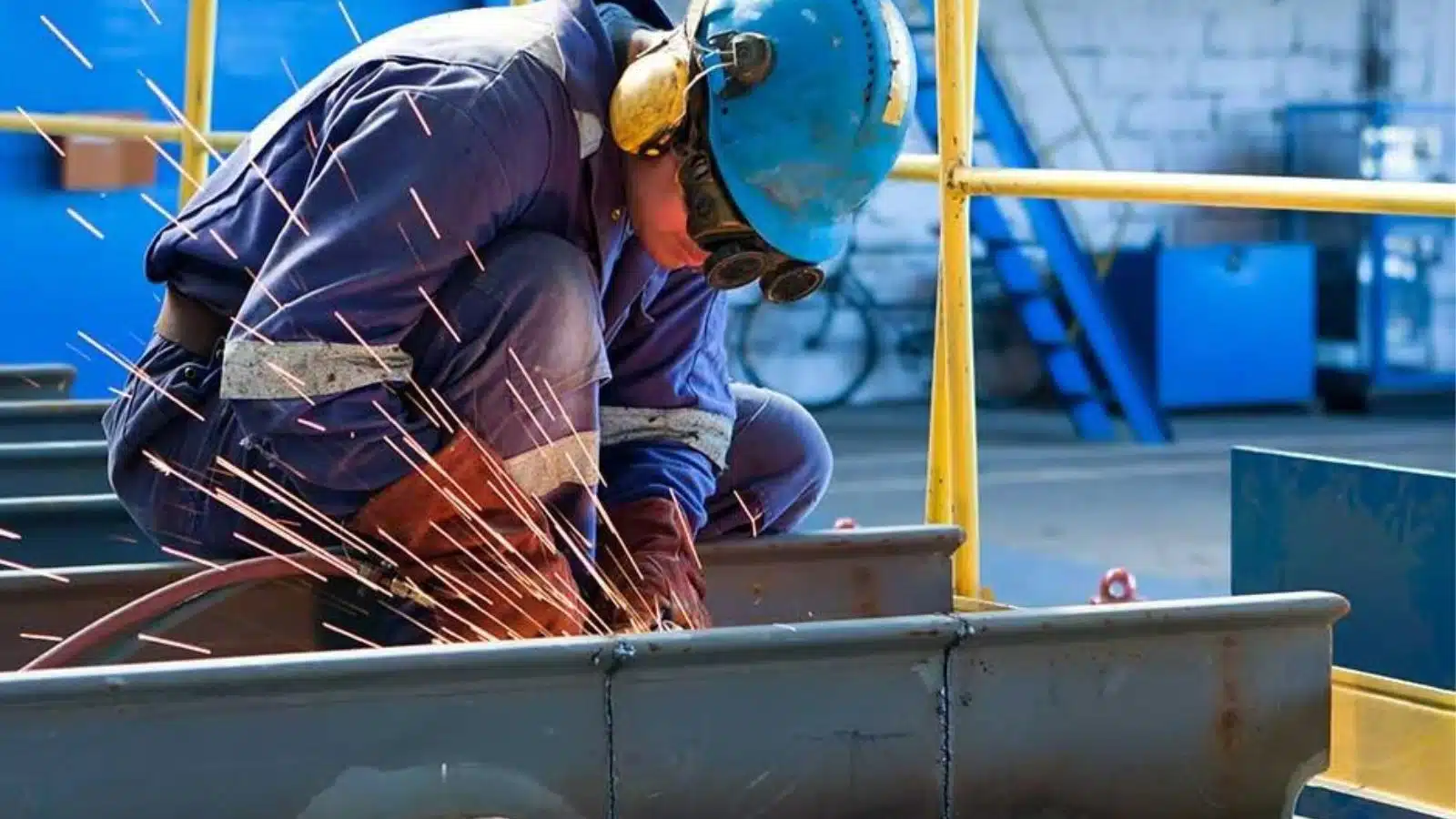
Top Welding and Assembly Innovations Revolutionizing Industry in 2025-26: In the heart of Saudi Arabia’s rapidly growing industrial economy, ASKA Solution continues to lead the charge by embracing advanced technologies and setting new standards in welding and assembly innovations. As we move through 2025 and into 2026, industries are seeing a paradigm shift driven by automation, artificial intelligence, sustainable practices, and smart fabrication systems.
To remain competitive in sectors like oil & gas, construction, power generation, and manufacturing, industrial firms in Saudi Arabia must adopt the latest innovations in welding and assembly processes. This blog explores the top game-changing trends and technologies that ASKA Solution is using to enhance quality, reduce costs, and improve operational efficiency, while maintaining a strong focus on safety, responsibility, and environmental sustainability.
The next two years will be pivotal for industries across Saudi Arabia. Vision 2030 continues to drive large-scale infrastructure and industrial development. Companies must modernize fabrication workflows to keep up with rising demand, strict environmental regulations, and the need for precision in large-scale projects.
At ASKA Solution, our investment in innovation ensures:

Let’s dive into the top trends shaping welding and assembly in 2025–26.
Read Also: How to Improve Your Welding and Assembly Workflow for Maximum Efficiency
Artificial Intelligence (AI) is transforming traditional welding processes into intelligent operations. AI-integrated welding machines can now:
ASKA Solution has begun integrating AI-driven control systems into MIG and TIG welders, allowing us to reduce rework rates by over 30% and ensure precise, repeatable results across complex projects in the petrochemical and construction industries.
In 2025, cobots will become a staple in advanced fabrication environments. Unlike traditional industrial robots, cobots work alongside human welders to improve productivity without replacing jobs.
ASKA Solution uses cobots for light structural assemblies and precision welding in compact environments. Our operators can program cobots to assist with parts positioning, tacking, and quality inspection, reducing overall welding time and enhancing accuracy.
Traditional welding training can be time-consuming and material-intensive. That’s where AR-based training steps in, simulating welding conditions in a digital environment.
We’ve implemented AR-based learning modules to upskill Saudi welders, especially in remote or rural regions. This ensures consistent standards across projects, regardless of location or manpower availability.
FSW is emerging as a go-to technique for welding non-ferrous metals like aluminum and copper, crucial for industries focusing on lightweight construction and energy efficiency.
ASKA Solution is one of the early adopters of FSW in the region, using it for components in renewable energy systems and high-performance machinery.
Additive manufacturing, or 3D metal printing, is no longer futuristic—it’s becoming a reality in welding and assembly shops.
ASKA Solution uses 3D printing for rapid prototyping and low-volume parts manufacturing. This reduces lead times and logistics costs, especially for clients in isolated oil and gas installations.
The Internet of Things (IoT) is revolutionizing how welding operations are monitored and controlled. Sensors embedded in machines provide:
We use smart sensors and cloud dashboards to track weld quality, energy usage, and operator performance across our facilities. This helps in predictive maintenance, avoiding costly downtimes, and maintaining ISO-compliant traceability.
Environmental sustainability is a key pillar of Saudi Arabia’s Vision 2030. ASKA Solution is committed to eco-friendly welding practices that align with national goals.
We’ve reduced our carbon footprint significantly through cleaner energy use and smart fabrication planning, contributing to a more sustainable Saudi industrial ecosystem.
Digital twins are virtual replicas of real-world assembly setups. These simulations allow teams to:
ASKA engineers use digital twins to simulate complex equipment installations. This ensures first-time-right execution, saving time, materials, and labor.
Worker safety remains paramount. In 2025–26, we’re seeing advanced wearables and monitoring systems that protect welders from hazards.
At ASKA Solution, we’ve deployed smart safety gear across all projects to minimize incidents and promote a culture of accountability and well-being.

As an industrial leader deeply rooted in Saudi Arabia, ASKA Solution is more than just a service provider—we are a technology-forward, quality-driven partner for the region’s most ambitious projects.
The future of industrial welding and assembly is smarter, safer, and more sustainable. From AI-powered welding and robotic cobots to green practices and digital simulations, the innovations of 2025–26 are setting new standards in Saudi Arabia’s industrial landscape.
ASKA Solution remains committed to embracing these technologies with a strong focus on human expertise, operational efficiency, and environmental responsibility. We invite industries across the Kingdom to partner with us as we build a future of innovation, precision, and excellence.
The Best Material Fabrication in Saudi Arabia

The Art of Structural Fabrication in Saudi Arabia

Top Welding Fabrication Company in Saudi Arabia

The Best Steel Fabrication in Saudi Arabia

Top Aluminium Fabrication Company in Saudi Arabia
Top Industrial Steel Fabrication Company in Dammam Saudi Arabia