No products in the cart.
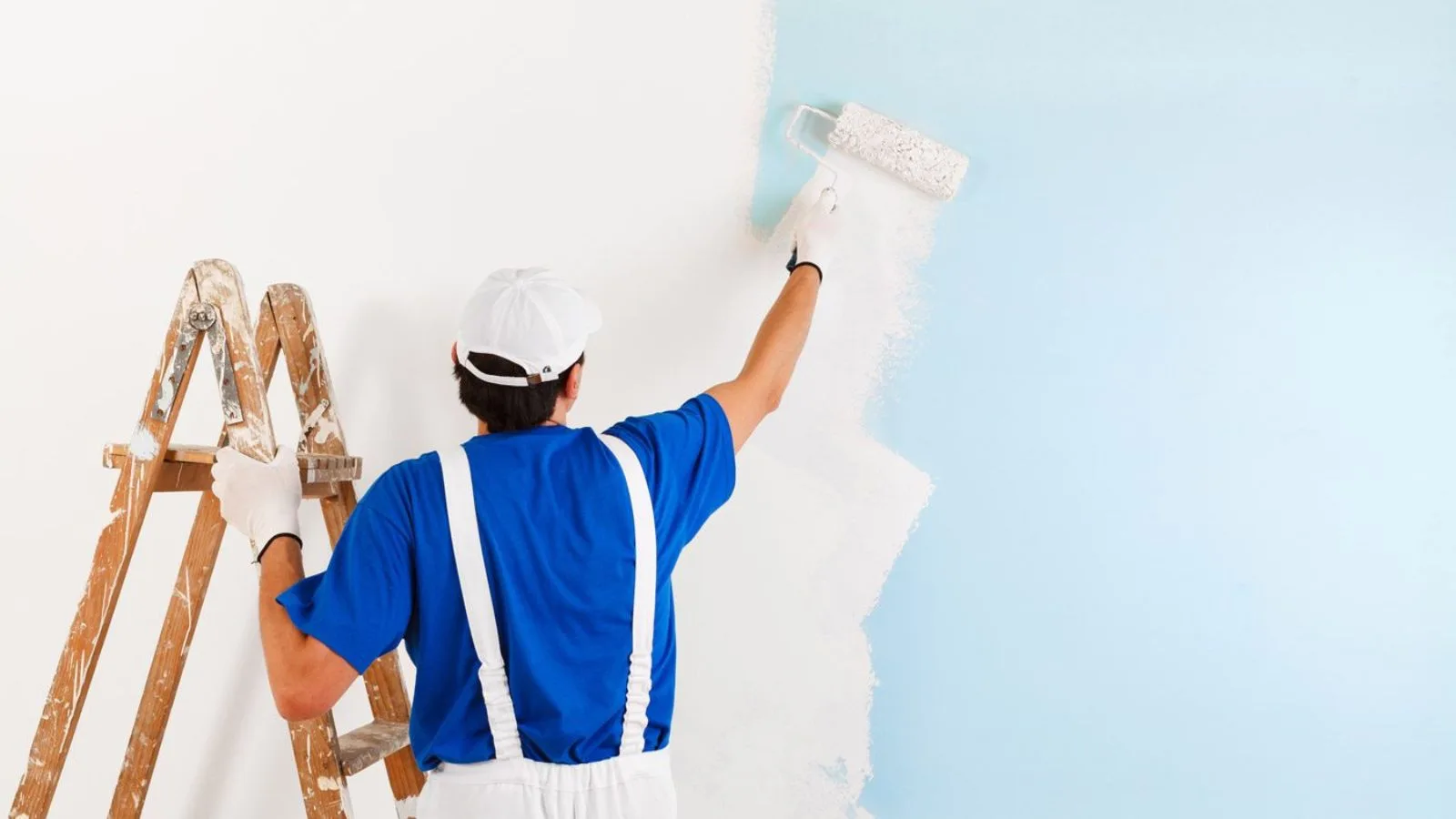
Painting Solution
The Best Industrial Painting ideas in Saudi Arabia
Industrial Painting ideas in Saudi Arabia: When it comes to giving your property a fresh...

+966 59 204 1946
No products in the cart.
Achieving true long-lasting paint durability is far more than just selecting a color; it’s a strategic investment in the protection, aesthetics, and overall lifecycle of your assets. As a leading expert in advanced coating systems at AskA Solution, we understand that every surface, from industrial machinery to architectural facades, demands a tailored approach to ensure its coating performs optimally under challenging conditions. In our extensive experience, a deep dive into the science of coatings, coupled with meticulous application protocols, is the only way to truly unlock enduring paint performance. This guide will walk you through the critical factors and advanced methodologies we employ to deliver coatings that not only look good but stand the test of time, significantly extending paint longevity and protecting your investments for years to come.
True long-lasting paint durability is the culmination of countless scientific principles working in harmony, designed to withstand the relentless assault of environmental and operational stressors. It’s a sophisticated engineering challenge that we at AskA Solution approach with data-driven insights and decades of practical application expertise. Our goal is to ensure your assets are not just coated, but genuinely protected, extending their operational life and aesthetic appeal.
Durability in paint and coatings extends far beyond the initial gloss or color retention. It encompasses the coating’s ability to maintain its protective and aesthetic properties throughout its projected industrial paint lifespan, resisting degradation from various external forces. We define durability by its functional integrity – its capacity to prevent corrosion, resist abrasion, withstand chemical exposure, and maintain adhesion to the substrate, all while preserving its visual quality. For instance, a coating might look fine on the surface, but if it’s allowing moisture ingress, its protective durability has already failed. This holistic view is central to our surface protection technology philosophy.
To quantify paint longevity and true long-lasting paint durability, we focus on several critical KPIs. These include adhesion strength, measured by pull-off tests (ASTM D4541), and impact resistance (ASTM D2794) to gauge mechanical toughness. Furthermore, we evaluate flexibility (ASTM D522), hardness (ASTM D3363), and critically, resistance to specific environmental conditions. This involves salt spray testing (ASTM B117) for corrosion resistance, QUV accelerated weathering (ASTM G154) for UV stability, and chemical immersion tests for chemical resistance coatings. By setting precise, measurable KPIs, we can objectively assess and predict the architectural coating performance of any system we recommend.
Paint degradation is a complex interplay of physical and chemical processes initiated by various stressors. UV radiation breaks down polymer bonds, leading to chalking and fading, a primary concern addressed by effective UV protection strategies. Moisture ingress can cause blistering and delamination, while temperature fluctuations induce stress through differential expansion and contraction. Mechanically, abrasion from foot traffic or industrial processes, and impact from falling objects, compromise the coating’s barrier, leading to abrasion resistance paint as a vital specification. Our understanding of these degradation pathways, informed by years of field experience, enables us to implement robust paint failure prevention strategies and engineer durable coatings solutions specifically for your operating environment.
In our experience at AskA Solution, approximately 75-80% of coating failures can be traced back to inadequate surface preparation. This isn’t merely an anecdotal observation; it’s a consistent finding across countless projects, underscoring why meticulous surface preparation is the absolute cornerstone of long-lasting paint durability. We consider it the critical first step in achieving advanced adhesion science and ensuring paint longevity.
Before any preparation begins, we conduct a thorough substrate analysis to identify the material composition, existing contaminants, and structural integrity. This involves visual inspections for rust, scale, and old coatings, alongside tests for soluble salt contamination, which can be a silent killer of new coatings. We often use methods like the Bresle patch test to measure salt levels, as chlorides can cause osmotic blistering and premature adhesion failure, even under seemingly pristine coatings. Understanding these hidden threats is crucial for paint failure prevention and tailoring the correct preparation method.
Mechanical preparation is often the most effective way to remove existing coatings, rust, and mill scale, while simultaneously creating an optimal surface profile for mechanical adhesion. We adhere strictly to industry standards such as SSPC (Society for Protective Coatings) and NACE (National Association of Corrosion Engineers). For instance, abrasive blasting to an SSPC-SP 10/NACE No. 2 “Near-White Metal” finish is frequently specified for critical applications requiring maximum long-lasting paint durability and industrial paint lifespan. For areas where blasting is impractical, power tool cleaning to SSPC-SP 11 (Power Tool Cleaning to Bare Metal) can achieve a suitable profile, albeit with varying degrees of profile consistency. These standards provide objective benchmarks, ensuring we remove all contaminants and achieve the required surface cleanliness for durable coatings solutions.
After mechanical preparation, chemical cleaning, particularly degreasing, plays a vital role. Oils, greases, and other organic contaminants can compromise even the best mechanical profile, acting as release agents and preventing proper wetting and adhesion of the primer. We utilize industrial-grade detergents and solvents, ensuring they are residue-free and rinsed thoroughly. For certain substrates, especially non-ferrous metals, pre-treatment chemicals like phosphatizers or chromates can significantly enhance advanced adhesion science by chemically altering the surface to promote stronger bond formation. Our team meticulously verifies the efficacy of these steps, ensuring a chemically inert and receptive surface.
The surface profile, or anchor pattern, created during mechanical preparation, is absolutely critical for mechanical adhesion, providing the ‘grip’ for the coating. We use profilometers and replica tape to accurately measure the peak-to-valley height and ensure it falls within the range specified by the coating manufacturer. A profile that is too low will not provide sufficient mechanical interlock, while one that is too high can lead to premature wear of the coating peaks and require excessive film build. Optimizing this profile is a precise science, directly contributing to the paint longevity and overall performance of the coating system, a key aspect of our coating specification process.
The primer layer is not just an undercoat; it’s the critical link between the prepared substrate and the entire coating system, often providing the primary source of surface protection technology. At AskA Solution, our analytical selection of primer systems is a cornerstone of achieving long-lasting paint durability, directly impacting the success and lifespan of the entire durable coatings solutions.
Primers perform two fundamental roles: promoting adhesion and providing barrier protection. Adhesion promoters penetrate the microscopic pores and irregularities of the substrate, creating a strong mechanical and often chemical bond that withstands stress and movement. This advanced adhesion science prevents delamination, a common cause of coating failure. Simultaneously, primers act as the first line of defense, forming a crucial barrier against moisture, chemicals, and corrosive agents trying to reach the substrate. They effectively inhibit corrosion and protect against environmental ingress, dramatically extending paint longevity.
For highly corrosive environments, the choice of primer is paramount. We frequently recommend zinc-rich primers, which offer galvanic protection to steel. The zinc sacrifices itself to protect the steel, preventing rust from forming even if the coating is scratched. Our performance data consistently shows superior corrosion resistance with zinc-rich systems in demanding conditions like marine environments or chemical processing plants. Alternatively, high-build epoxy primers provide excellent barrier protection and chemical resistance. They are incredibly tough and resist penetration by aggressive chemicals, making them suitable for areas exposed to spills or fumes. We often employ a combination, such as a zinc-rich epoxy primer, to leverage both galvanic and barrier protection for maximum industrial paint lifespan.
To verify the effectiveness of our primer application and the underlying surface preparation, we perform quantitative adhesion testing. The most common method is pull-off adhesion testing (ASTM D4541), where a dolly is glued to the cured coating and pulled off with a specialized device. This provides a numerical value in PSI or MPa, indicating the force required to detach the coating. This data is invaluable for quality control and provides objective evidence that the primer system has achieved the required advanced adhesion science. We compare these results against manufacturer specifications and project requirements to ensure optimal long-lasting paint durability.
A critical, often overlooked, aspect of primer selection is system compatibility. Not all primers are compatible with all topcoats, and incompatible layers can lead to intercoat adhesion failure, solvent entrapment, or premature degradation. At AskA Solution, we utilize detailed compatibility matrices provided by manufacturers and leverage our own field data to ensure every component of the coating system works together harmoniously. This involves considering solvent types, curing mechanisms, and surface energies to prevent adverse reactions between layers, ensuring the integrity and paint longevity of the entire durable coatings solutions.
The core of long-lasting paint durability lies in the sophisticated chemistry of the coating itself. At AskA Solution, we delve deep into the formulation, understanding how each component contributes to the overall surface protection technology and paint longevity. This informed approach allows us to specify durable coatings solutions that are precisely engineered for your unique challenges.
The resin system forms the backbone of the paint, dictating its fundamental properties. Acrylics are known for their excellent color and gloss retention, making them ideal for architectural coating performance where UV stability is crucial, leveraging strong UV protection strategies. Epoxies, on the other hand, offer exceptional hardness, chemical resistance coatings, and adhesion, making them staples for industrial paint lifespan in harsh environments. Polyurethanes combine the best of both worlds, offering superior toughness, abrasion resistance, and good weathering properties, often used as topcoats over epoxies. We analyze the specific performance characteristics of each polymer type, selecting the system that best matches the environmental and operational demands.
Beyond the resin, pigments and additives play crucial roles. Pigments provide color and opacity, but some, like titanium dioxide, also enhance UV protection strategies by scattering harmful UV radiation, thus contributing significantly to weathering resistance coatings. Additives are critical for fine-tuning performance. Fungicides and algaecides prevent biological growth, particularly important in humid climates. Flow modifiers ensure smooth application and film formation, while anti-settling agents keep pigments dispersed. Our expertise extends to understanding how these individual components interact to achieve the desired paint longevity and aesthetic qualities.
The total dry film thickness (DFT) and the layering strategy are vital for achieving optimal barrier properties and long-lasting paint durability. A single thick coat often performs worse than multiple thinner coats, as successive layers cure and reinforce each other, minimizing permeability pathways. We meticulously specify DFT ranges for each coat—primer, intermediate, and topcoat—based on the coating’s intended exposure and expected industrial paint lifespan. For example, a three-coat system might consist of a corrosion-inhibitive primer, a high-build epoxy intermediate for robust barrier protection, and a UV-stable polyurethane topcoat for weathering resistance coatings and aesthetics. Precise coating specification ensures the right film build for maximum protection.
In today’s regulatory landscape, VOC (Volatile Organic Compound) compliance is a significant factor in coating selection. Lower VOC paints reduce environmental impact and improve applicator safety. However, historically, lower VOC content could sometimes mean performance trade-offs, particularly in areas like drying time or application ease. At AskA Solution, we stay at the forefront of formulation advancements, leveraging data from regulatory standards and manufacturer testing to identify high-performance, low-VOC durable coatings solutions. We guide our clients through the complexities of selecting compliant systems that do not compromise on long-lasting paint durability, ensuring both environmental responsibility and excellent architectural coating performance.
Even the most scientifically advanced coating will fail prematurely if not applied correctly. Precision application techniques are fundamental to ensuring maximum uniformity, adherence, and ultimately, long-lasting paint durability. At AskA Solution, our certified application teams follow rigorous protocols, understanding that every detail impacts the final paint longevity and effectiveness of the surface protection technology.
Environmental conditions during application are paramount. Temperature affects drying and curing rates, while humidity can interfere with adhesion and lead to blushing or amine blush in epoxies. Critically, the dew point – the temperature at which moisture condenses – must be carefully monitored. Applying paint when the substrate temperature is below the dew point can trap moisture, leading to blistering and adhesion failure. We employ specialized equipment to continuously monitor and record ambient temperature, surface temperature, relative humidity, and dew point, ensuring conditions remain within the coating manufacturer’s specified window. This strict control is vital for paint failure prevention.
Choosing the correct application method is a balance of efficacy and efficiency. Spray application (airless, conventional, HVLP) is often preferred for large areas, offering excellent uniformity, speed, and a smooth finish, which contributes to overall architectural coating performance. However, it requires significant overspray control. Rollers are effective for smaller areas and can achieve higher film builds with certain coatings, but may leave texture. Brushes are best for intricate details, edges, and touch-ups, ensuring complete coverage in difficult areas. We analyze the project scope, coating type, and desired finish to select the optimal method, ensuring complete coverage and proper film thickness for maximum long-lasting paint durability.
For long-lasting paint durability, most durable coatings solutions involve multi-coat systems. Each layer serves a distinct purpose, from adhesion promotion to barrier protection to aesthetic finishing. The success of these systems hinges on excellent intercoat adhesion, meaning each subsequent coat must bond effectively to the previous one. This is heavily influenced by curing windows – the specific time frame after a coat is applied during which the next coat can be applied without surface preparation. Applying too early can lead to solvent entrapment; too late may require roughening the surface to ensure proper mechanical bonding. Our teams meticulously adhere to these windows to prevent premature intercoat delamination and optimize industrial paint lifespan.
Quality control is an ongoing process during application, not just a final check. Our field inspectors conduct real-time monitoring of wet film thickness (WFT) to predict dry film thickness (DFT), ensuring uniform application and adherence to coating specification. We perform visual inspections for holidays (uncoated areas), sags, and drips. Data logging of environmental conditions provides a verifiable record of compliance. This meticulous attention to detail at every stage, from surface preparation to final coat, is how we guarantee the highest level of long-lasting paint durability and accountability for our clients.
The curing process is where a liquid coating transforms into a solid, durable film, effectively ‘locking in’ the long-lasting paint durability. It’s a critical phase that often dictates the final paint longevity and protective qualities. At AskA Solution, we understand that proper curing is just as important as the application itself, and our post-application science ensures optimal performance for our durable coatings solutions.
Different coatings cure through distinct mechanisms. Solvent evaporation is common for single-component paints like many acrylics; as solvents evaporate, the resin particles coalesce and harden. This process is generally reversible with solvents. In contrast, two-component (2K) coatings, such as epoxies and polyurethanes, cure via chemical cross-linking. A hardener (catalyst) reacts with the base resin, forming a dense, irreversible polymer network. This chemical transformation results in significantly stronger films with enhanced chemical resistance coatings, abrasion resistance paint, and overall weathering resistance coatings, making them ideal for maximum industrial paint lifespan. Understanding these mechanisms is key to specifying appropriate curing conditions.
Environmental factors continue to play a crucial role during the curing phase. Temperature directly influences the rate of chemical reactions; higher temperatures generally accelerate curing, while lower temperatures can significantly slow it down or even halt it, potentially leading to incomplete cure and compromised properties. Humidity can affect certain curing reactions, with some polyurethanes requiring moisture to cure. Adequate airflow is essential, especially for solvent-evaporation cures, to carry away solvent vapors efficiently. In enclosed spaces, we often employ forced ventilation and climate control to ensure optimal conditions for a complete and robust cure, directly impacting paint longevity.
Once a coating has fully cured, we conduct a series of post-cure tests to verify its mechanical properties and ensure it meets coating specification. Hardness tests (e.g., Pencil Hardness, Rockwell, Shore D) measure the coating’s resistance to indentation, a key indicator for abrasion resistance paint. Flexibility tests (e.g., Conical Mandrel Bend Test) assess the coating’s ability to bend without cracking, crucial for structures that experience movement or thermal expansion. Impact resistance tests (e.g., Falling Weight Impact Test) measure the coating’s resilience against sudden shocks. These metrics provide objective proof that the coating has achieved its engineered long-lasting paint durability and is ready to perform in its intended environment.
Even after a coating appears dry, it may still be undergoing final curing or property development. Rushing an asset back into service prematurely can compromise the coating’s long-term performance. We establish optimal return-to-service protocols, specifying the minimum time required before an asset can be subjected to its operational environment, heavy traffic, or chemical exposure. For example, while a floor coating might be walkable in 24 hours, full chemical resistance might not develop for several days or even weeks. Adhering to these protocols is a vital paint failure prevention measure, safeguarding the investment in long-lasting paint durability and ensuring the full industrial paint lifespan.
Even the most advanced durable coatings solutions benefit from proactive maintenance and timely repairs. At AskA Solution, we understand that sustaining long-lasting paint durability is an ongoing process, not a one-time application. Implementing a strategic maintenance plan can significantly extend paint longevity and prevent minor issues from escalating into costly failures, ultimately preserving surface protection technology.
Regular, scheduled inspections are the cornerstone of proactive maintenance. Our certified inspectors visually assess coatings for early signs of deterioration such as hairline cracks, localized blistering, chalking, fading, or minor abrasions. These early indicators, though seemingly small, can be precursors to widespread failure if left unaddressed. We utilize systematic inspection checklists and often employ drone technology for large structures to efficiently cover vast areas. Early detection is key to effective paint failure prevention and preserving the architectural coating performance.
When damage is identified, our approach to repair is data-driven. For localized damage, such as a scratch or a small area of rust bloom, a spot repair is often the most economical and efficient solution. This involves careful surface preparation of the affected area, feathering the edges of the existing coating, and applying a compatible repair system. However, if deterioration is widespread, if the substrate is compromised, or if the current coating system has reached the end of its projected industrial paint lifespan, a full re-coating may be more cost-effective in the long run. We provide comprehensive assessments to determine the most appropriate and cost-effective repair protocol.
Regular cleaning is not just about aesthetics; it’s a vital part of preserving surface integrity and paint longevity. Accumulated dirt, grime, biological growth, and industrial fallout can trap moisture, promote mildew, and even harbor corrosive agents, accelerating coating degradation. We recommend specific cleaning agents and methods tailored to the coating type and environmental exposure, ensuring they do not harm the coating itself. For example, power washing might be appropriate for some weathering resistance coatings, while others might require gentler chemical cleaning, all designed to maintain surface protection technology.
For assets subjected to extreme conditions, additional protective measures can further enhance long-lasting paint durability. Sacrificial coatings, like wax or clear topcoats with superior UV blockers, can take the brunt of environmental assault and be easily reapplied without disturbing the primary protective layers. Environmental barriers, such as physical guards against impact or localized shielding from continuous chemical splashes, can prevent direct damage to the coating. We advise clients on integrating these supplementary measures to maximize the effectiveness of their durable coatings solutions and ensure an extended industrial paint lifespan.
Understanding why coatings fail is paramount to achieving long-lasting paint durability. At AskA Solution, we don’t just apply coatings; we are experts in diagnosing failures and implementing robust paint failure prevention strategies. Each failure mode tells a story about the challenges a coating faced and how it responded.
Adhesion loss manifests as peeling, blistering, or delamination, where the coating separates from the substrate or from previous layers. The root causes are typically inadequate surface preparation (e.g., poor cleaning, insufficient profile), moisture entrapment (e.g., application below dew point, osmotic blistering from soluble salts), or incompatible coating systems. For instance, we once worked with a client whose new floor coating began delaminating within months. Our analysis revealed high levels of soluble salts in the concrete slab, which had not been properly tested or remediated during surface preparation. By identifying this, we rectified the issue with a specialized moisture-tolerant primer and proper substrate decontamination, achieving true long-lasting paint durability. This is a prime example of why advanced adhesion science is so crucial.
Surface degradation, including chalking, fading, and cracking, is primarily a result of environmental exposure, particularly UV radiation and weathering. Chalking occurs when the resin binder degrades, leaving behind loose pigment particles, often a sign of insufficient UV protection strategies. Fading is the loss of color saturation due to pigment degradation or bleaching. Cracking can arise from the coating’s inability to flex with substrate movement or from excessive internal stress due to improper curing. These issues directly impact architectural coating performance and visual appeal. Our focus on weathering resistance coatings with high-quality pigments and robust polymer systems helps mitigate these effects, ensuring extended paint longevity.
Chemical attack occurs when aggressive chemicals degrade the coating film, leading to softening, discoloration, blistering, or complete destruction. The severity depends on the type and concentration of the chemical, exposure duration, and the coating’s inherent chemical resistance coatings properties. Our material selection process involves rigorous review of chemical resistance data for specific coating systems against a client’s anticipated chemical exposures. For instance, in a pharmaceutical plant, we might specify novolac epoxies known for their broad-spectrum chemical resistance, even against strong acids and solvents, ensuring long-lasting paint durability in highly aggressive environments.
Abrasion and impact damage result from physical wear and tear, common in high-traffic areas or industrial settings. Abrasion resistance paint is designed to withstand rubbing, scraping, and erosion from foot traffic, vehicles, or abrasive materials. Impact resistance coatings resist sudden shocks from dropped tools or falling objects. Failure in these areas can compromise the barrier protection, exposing the substrate to corrosion. We specify coatings with high cross-link density and toughness, such as polyurethanes or specialized epoxy mortars, to provide excellent abrasion resistance paint. This proactive coating specification ensures the industrial paint lifespan is maximized even under rigorous physical demands.
Investing in superior long-lasting paint durability is not an expense; it’s a strategic financial decision that yields significant returns over the lifecycle of your assets. At AskA Solution, we help our clients understand the tangible ROI of choosing durable coatings solutions that are engineered for extended paint longevity.
While high-performance coatings may have a higher initial material and application cost, a comprehensive cost-benefit analysis consistently demonstrates substantial lifecycle savings. The extended industrial paint lifespan means fewer re-coating cycles, deferring capital expenditure. For example, a standard coating might last 5 years, while a high-performance system might last 15-20 years. Over a 30-year period, this means two high-performance applications versus six standard applications, leading to significant savings in labor, materials, and associated downtime costs. This holistic view is crucial for justifying the investment in true long-lasting paint durability.
One of the most compelling aspects of superior surface protection technology is the dramatic reduction in downtime. Re-coating operations often require shutting down production lines, disrupting traffic flow, or evacuating buildings—all of which incur significant costs from lost productivity. By extending the paint longevity through durable coatings solutions, we minimize these disruptions, allowing businesses to operate more efficiently and consistently. Our operational efficiency data from various clients shows that investing in long-lasting paint durability leads to measurable reductions in annual maintenance budgets and improved asset utilization. We once worked with a large manufacturing facility that was recoating their critical production floor every three years. After implementing our long-lasting paint durability system, they saw an extension to 10 years, saving them an estimated $500,000 in downtime and labor costs over that period.
Beyond pure protection, coatings contribute significantly to the aesthetic appeal and perceived value of an asset. A well-maintained, aesthetically pleasing facility or piece of equipment projects professionalism and care. Architectural coating performance that retains its color, gloss, and structural integrity for years enhances brand image and property value. For infrastructure projects, long-lasting paint durability ensures public safety and trust. We help clients quantify these long-term benefits, demonstrating how premium coatings contribute to overall asset management strategies and elevate both the functional and visual aspects of their investments.
Modern durable coatings solutions also offer significant environmental benefits, aligning with corporate sustainability goals. Longer-lasting coatings mean less frequent manufacturing, transportation, and disposal of materials, reducing the overall carbon footprint. Furthermore, advances in low-VOC formulations contribute to improved air quality and reduced exposure to harmful chemicals. By choosing coatings engineered for long-lasting paint durability, companies can demonstrate their commitment to environmental stewardship, benefiting both the planet and their public image, leveraging our expertise in surface protection technology.
At AskA Solution, our commitment to long-lasting paint durability is proven through our successful project portfolio. These case studies highlight how our analytical approach and precision application translate into tangible, enduring results, showcasing our expertise in durable coatings solutions.
In [year-3], we undertook a challenging project for a large chemical processing plant exposed to highly corrosive fumes and frequent chemical spills. The existing coating system failed within 18 months, leading to extensive substrate corrosion and costly downtime. We implemented a multi-layer system featuring a zinc-rich epoxy primer for galvanic protection, followed by a high-build novolac epoxy intermediate coat engineered for extreme chemical resistance coatings, and topped with a high-solids polyurethane for abrasion resistance paint and UV protection strategies. A multi-year performance review reveals the coating is still performing flawlessly, significantly exceeding its projected industrial paint lifespan and saving the client millions in prevented corrosion and maintenance. This project is a testament to what a well-engineered coating specification can achieve.
For a historic public landmark in [year-5], preserving the original aesthetic while providing modern surface protection technology was paramount. The structure suffered from extensive efflorescence and moisture ingress. Our solution involved a breathable, moisture-tolerant epoxy primer, followed by an elastomeric intermediate coat to bridge existing hairline cracks, and finished with a high-performance acrylic-urethane topcoat specifically formulated for superior weathering resistance coatings and color retention. The result is an aesthetically preserved facade with significantly enhanced paint longevity, requiring minimal maintenance since its application. This project showcased our ability to blend architectural coating performance with historical preservation, delivering long-lasting paint durability without compromising heritage.
In [year-2], we were tasked with coating a critical bridge structure exposed to severe coastal weather, including constant salt spray, high winds, and temperature extremes. The previous coating failed due to widespread delamination. Our team applied a robust 3-coat system: an inorganic zinc silicate primer for unparalleled corrosion protection, an epoxy tie-coat, and a fluoropolymer topcoat renowned for its exceptional paint longevity and UV protection strategies against harsh elements. Independent third-party inspections confirm the coating system’s integrity and vibrant color retention, showcasing its long-lasting paint durability even in one of the most aggressive environments, far surpassing the typical industrial paint lifespan for such structures.
The field of coatings is continuously evolving, with exciting innovations promising even greater long-lasting paint durability and paint longevity. At AskA Solution, we constantly monitor and integrate these advancements to provide our clients with cutting-edge durable coatings solutions and superior surface protection technology.
The future of long-lasting paint durability lies in smart coatings. Self-healing coatings, for instance, can autonomously repair minor scratches or cracks, significantly extending industrial paint lifespan by preventing small defects from escalating. These systems often incorporate microcapsules filled with healing agents that are released upon damage. Sensor-integrated coatings can monitor their own condition, detecting early signs of corrosion, moisture ingress, or stress, providing real-time data for proactive maintenance. This intelligent surface protection technology revolutionizes paint failure prevention by moving from reactive repairs to predictive intervention.
Nanotechnology is transforming coating performance by incorporating nanomaterials (particles smaller than 100 nanometers) into paint formulations. Nanoparticles can create denser, more impermeable barriers, dramatically improving chemical resistance coatings and weathering resistance coatings. For example, nanoceramic particles can enhance abrasion resistance paint, while nano-zinc oxide or titanium dioxide can boost UV protection strategies without affecting transparency. These innovations are leading to thinner, yet far more resilient, films, pushing the boundaries of long-lasting paint durability and enabling groundbreaking architectural coating performance.
The drive for sustainability is accelerating the development of bio-based and environmentally friendly coatings. These coatings are formulated using renewable resources and often have significantly reduced VOC content. The challenge lies in achieving comparable long-lasting paint durability and performance to traditional solvent-based systems. However, advancements in polymer chemistry are rapidly closing this gap, offering durable coatings solutions that are both effective and eco-conscious. We actively evaluate and integrate these sustainable options into our coating specification recommendations, balancing environmental stewardship with uncompromised paint longevity.
Looking ahead, predictive analytics, powered by AI and machine learning, will revolutionize how we manage and predict long-lasting paint durability. By analyzing vast datasets of environmental conditions, application parameters, inspection results, and failure modes, AI algorithms can accurately predict the remaining industrial paint lifespan of a coating system. This allows for optimized maintenance schedules, proactive repair planning, and more precise coating specification, moving away from calendar-based maintenance to condition-based maintenance. AskA Solution is at the forefront of exploring how these technologies can provide unparalleled insights into paint longevity and asset management.
Achieving long-lasting paint durability is a complex, multi-faceted endeavor that demands a scientific approach, meticulous execution, and a commitment to continuous improvement. From the foundational importance of surface preparation and the analytical selection of primer systems to the advanced chemistry of topcoats and precision application techniques, every step contributes to the ultimate paint longevity of your assets. At AskA Solution, we pride ourselves on delivering durable coatings solutions that go beyond mere aesthetics, providing robust surface protection technology that withstands environmental, chemical, and mechanical stressors. We empower our clients with the knowledge and expertise to make informed decisions, ensuring their investments are protected for the longest possible industrial paint lifespan, backed by our proven advanced adhesion science and paint failure prevention strategies. We are confident that by partnering with us, you can unlock the full potential of your coating investments.
Q1: What is the most critical factor for ensuring long-lasting paint durability?
A1: While many factors contribute, the most critical is proper surface preparation. It accounts for approximately 75-80% of coating failures. Without a clean, properly profiled, and contaminant-free surface, even the highest quality coating will fail prematurely, undermining advanced adhesion science and overall paint longevity.
Q2: How do environmental factors like UV radiation affect paint longevity?
A2: UV radiation is a major culprit in paint degradation. It breaks down the polymer bonds in the coating’s resin, leading to chalking, fading, and cracking. Effective UV protection strategies, often incorporated into weathering resistance coatings, are crucial to mitigate these effects and ensure long-lasting paint durability, especially for architectural coating performance.
Q3: What are “smart coatings” and how will they enhance paint durability?
A3: Smart coatings are innovative materials that can respond to their environment. This includes self-healing coatings that repair minor damage autonomously, and sensor-integrated coatings that monitor conditions like corrosion or stress. These technologies promise to significantly extend industrial paint lifespan by providing proactive surface protection technology and reducing the need for manual maintenance and repairs.
Q4: Is a higher initial cost for a coating system always worth it for long-lasting paint durability?
A4: Almost always, yes. While high-performance durable coatings solutions may have a greater upfront cost, a comprehensive lifecycle cost-benefit analysis typically reveals significant long-term savings. These savings come from reduced frequency of re-coating, minimized downtime, lower maintenance costs, and enhanced asset value, proving the ROI of superior paint longevity.
Q5: What role does a “coating specification” play in ensuring long-lasting paint durability?
A5: A detailed coating specification is absolutely vital. It outlines every aspect of the coating project, from specific surface preparation standards (e.g., SSPC/NACE) and primer systems to required film thicknesses, application methods, and quality control measures. A precise coating specification, tailored to the environment and substrate, is the blueprint for achieving maximum long-lasting paint durability and ensuring proper paint failure prevention.
Don’t forget to share it
Related Articles
The Best Industrial Painting ideas in Saudi Arabia
Stunning Building Painting Designs and Color Trends in Saudi Arabia

Commercial and Industrial Painting Contractor in Saudi Arabia

A Complete Guide to Evolis YMCKO Ribbons – Part # R5F202M100

Top Surface Cleaning & Preparation Methods for Industrial Projects

The Hidden Power of Surface Preparation in Construction and Industry
We have received your inquiry and our team will review your requested items and get back to you as soon as possible.