No products in the cart.

Fabrication Solution
The Best Material Fabrication in Saudi Arabia
The Best Material Fabrication in Saudi Arabia: The fabricators of the material need to be...


How We Help Clients Choose the Right Materials for Fabrication: When it comes to metal fabrication, the choice of material plays a critical role in determining the durability, strength, cost-effectiveness, and long-term performance of a final product. At ASKA Solution, a trusted provider of custom fabrication services in Saudi Arabia, we know that selecting the right materials is not just a technical decision—it’s a strategic one.
Our mission is to empower industrial, commercial, and oil & gas sector clients to make informed material choices that enhance performance, reduce downtime, and maximize value. Whether you’re building a structural frame, a pressure vessel, or precision components, ASKA Solution offers expert guidance backed by years of experience, local industry knowledge, and global best practices.
In this article, we’ll walk you through how ASKA Solution helps clients choose the right materials for fabrication projects and why our approach ensures both quality and sustainability in Saudi Arabia’s demanding industrial environment.
Choosing the wrong material can lead to premature failure, costly repairs, or even safety hazards. The right material, on the other hand, improves:

At ASKA Solution, we treat material selection as a collaborative engineering process, not a one-size-fits-all approach. Every project has unique requirements, and our team is trained to align those needs with the best material options available in the local and global market.
Read Also: Moon Tool’s Expertise in Machined Tool Steel Components Explained
The first step in our process is understanding the project scope and goals. We consult with clients to gather detailed specifications, including:
In the Kingdom of Saudi Arabia, where conditions such as extreme heat, dust, and corrosive environments (especially near coastal areas like Dammam and Jubail) are common, we factor these elements heavily into the selection process.
Our team includes engineers and materials experts who understand the chemical and mechanical properties of materials used in fabrication. These include, but are not limited to:
We match materials to your project’s performance criteria, ensuring the selected metal meets both international standards (like ASTM, ASME) and Saudi Arabian regulatory requirements.
In Saudi Arabia’s industrial zones, such as Riyadh, Yanbu, and the Eastern Province, different environments impose different challenges:
ASKA Solution evaluates these factors during the initial consultation and site assessment, so we can recommend materials that will last longer and perform better under actual working conditions.
Some materials are easier to fabricate, cut, weld, or machine than others. Our recommendations also take into account:
For example, austenitic stainless steel is commonly chosen in the petrochemical sector for its formability and corrosion resistance. However, if weldability and cost are bigger priorities, carbon steel with protective coating might be more appropriate.
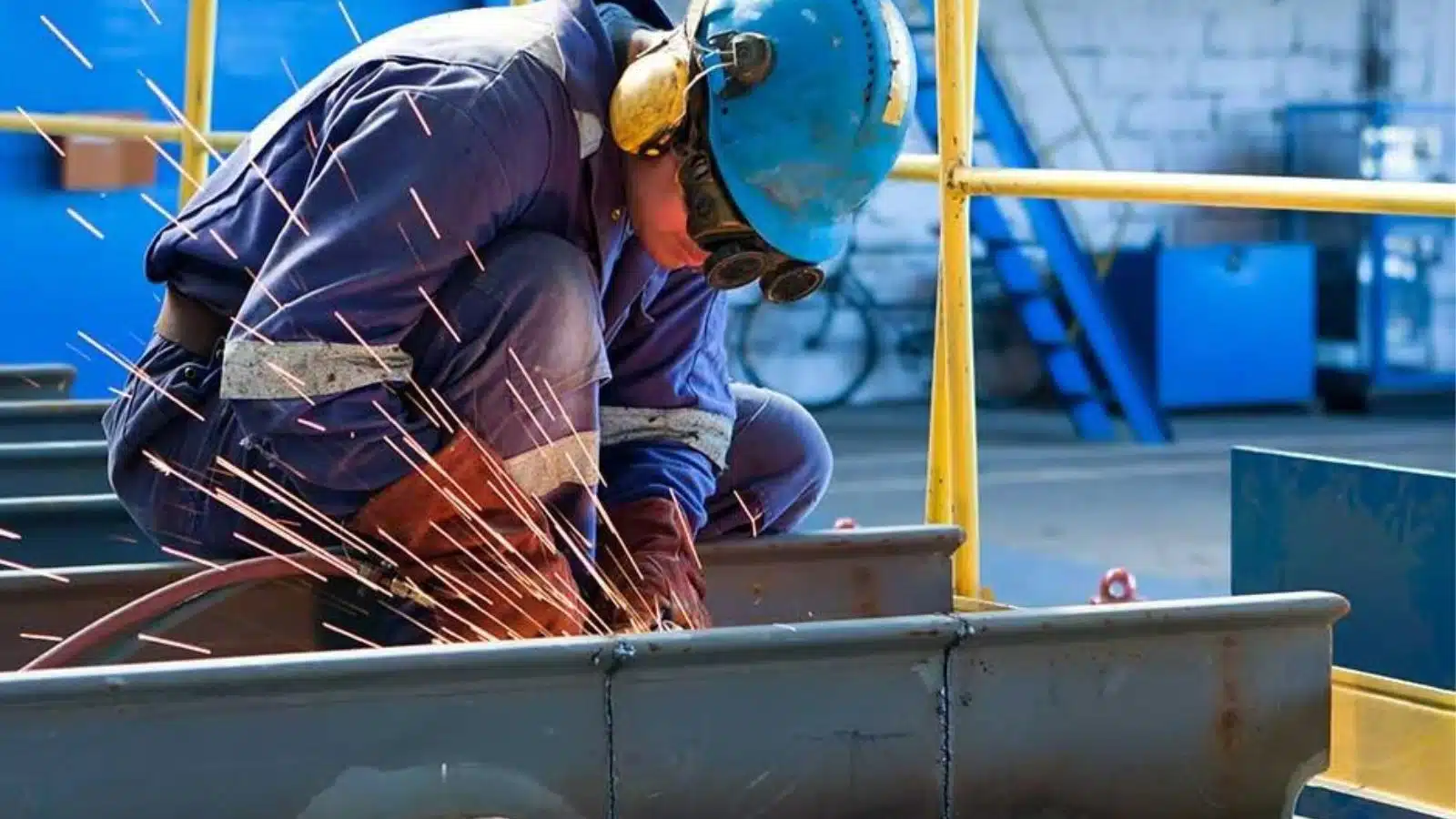
Our in-house fabrication capabilities include CNC machining, TIG/MIG welding, laser cutting, and surface treatments, and we ensure materials are compatible with these technologies.
At ASKA Solution, we strictly follow ISO, ASTM, and Saudi Aramco standards for all fabrication work. Our material recommendations always reflect:
This is especially crucial for clients working on mega-projects in Saudi Arabia’s Vision 2030 framework, where compliance and traceability are key to avoiding project delays and penalties.
We understand that every project has a budget. But we also emphasize long-term value over short-term savings.
For instance, a higher-grade stainless steel may cost more upfront but can save thousands in future maintenance or replacements in corrosive environments. We educate clients on Total Cost of Ownership (TCO) and recommend options with the best lifecycle value.
When applicable, we also explore alternative materials or hybrid solutions that balance durability, availability, and cost.
To ensure consistent material quality, ASKA Solution partners with reliable local and international suppliers, giving us access to:
This network allows us to meet tight deadlines, even on custom fabrication projects or emergency repair jobs in sectors like oil & gas, petrochemicals, and water treatment.
ASKA Solution is committed to environmentally responsible practices. Our material selection process considers:
We also advise clients on coatings, paints, and treatments that are compliant with Saudi environmental regulations and safer for workers and ecosystems.
A client required hygienic-grade components resistant to frequent washing and chemical exposure. We recommended 316L stainless steel, which met both local hygiene standards and international compliance, resulting in improved production uptime and safety.
An electrical equipment client needed lightweight yet strong enclosures that could withstand harsh sun exposure. Our team selected marine-grade aluminum (5083) with a custom powder coating, reducing product weight by 40% and improving corrosion resistance.
A petrochemical client needed skid-mounted equipment frames. ASKA Solution selected ASTM A36 carbon steel with sandblasting and epoxy coating, ensuring both strength and corrosion protection while staying within budget.
Even after materials are selected, our team continues to support clients with:
This commitment ensures that every fabrication project meets the high standards of reliability and safety that Saudi industries demand.

Choosing the right material for fabrication isn’t just about what’s available or affordable—it’s about what’s right for your project’s environment, function, and future. At ASKA Solution, we take the time to understand your needs, apply technical expertise, and deliver solutions that go beyond expectations.
Whether you’re planning a small fabrication job or a large-scale industrial development, our team is here to help you make confident, informed decisions that stand the test of time.
The Best Material Fabrication in Saudi Arabia

The Art of Structural Fabrication in Saudi Arabia

Top Welding Fabrication Company in Saudi Arabia

The Best Steel Fabrication in Saudi Arabia

Top Aluminium Fabrication Company in Saudi Arabia
Top Industrial Steel Fabrication Company in Dammam Saudi Arabia