No products in the cart.

Fabrication Solution
The Best Material Fabrication in Saudi Arabia
The Best Material Fabrication in Saudi Arabia: The fabricators of the material need to be...

+966 59 204 1946
No products in the cart.
At Aska Solution, we’ve witnessed firsthand how industries are constantly evolving, demanding not just components, but solutions perfectly aligned with unique operational realities. This evolution underscores the paramount importance of Custom Fabrication Solutions. Far from being a niche luxury, bespoke manufacturing has emerged as a strategic imperative for businesses aiming for peak performance, unparalleled precision, and sustainable innovation in an increasingly competitive landscape. Our integrated approach, encompassing design, engineering, and advanced manufacturing, positions us uniquely to guide our clients through the complexities and immense benefits of tailored production.
Custom Fabrication Solutions represent a manufacturing paradigm shift, moving beyond the limitations of mass-produced, standardized parts to embrace bespoke creations designed for exact specifications. It’s about building precisely what’s needed, not just making do with what’s available. In our service experience, clients often begin by looking for off-the-shelf components, only to discover that the compromises required negatively impact their overall system performance or project longevity. We show them how tailored solutions overcome these hurdles, leading to superior outcomes.
Bespoke manufacturing, at its core, refers to the creation of products or components that are custom-designed and custom-built to meet a specific set of requirements from an individual client or project. This isn’t about minor modifications to existing designs; it’s about starting from a blank canvas to develop a unique item. In our experience with diverse industrial fabrication services, the process begins with an in-depth understanding of the client’s needs, often involving a detailed consultation to capture every nuance of their application. This collaborative approach ensures that the final product, whether it’s a specialized machine part or a complex structural assembly, is perfectly aligned with its intended function and environment. The emphasis is always on delivering precision engineering solutions that address the specific challenges our clients face, ensuring optimal integration and performance.
The essence of bespoke manufacturing lies in its ability to adapt and innovate. When a client needs a solution for a highly specialized environment – perhaps an ultra-high vacuum chamber component or a lightweight aerospace bracket with unique geometric constraints – off-the-shelf options simply fall short. This is where our expertise in bespoke manufacturing truly shines. We leverage advanced material fabrication techniques and cutting-edge design tools to translate complex requirements into tangible, high-performance tailored mechanical components. Every aspect, from material composition to surface finish, is carefully considered and engineered to guarantee the required functionality, durability, and efficiency.
The fundamental difference between Custom Fabrication Solutions and standardized production lies in their objectives and methodologies. Standardized production focuses on economies of scale, producing large volumes of identical items quickly and cost-effectively, often with minimal variations. The goal is broad market appeal and efficiency through repetition. While this model is suitable for many applications, it inherently involves compromises when specific, non-standard requirements arise. For example, a standard bolt might be readily available, but if your application demands a specific alloy for corrosion resistance in a marine environment or a unique head design for tamper-proofing, standard options simply won’t suffice.
Conversely, custom fabrication prioritizes precision, performance, and specific functionality over mass production efficiency. It’s about achieving a “perfect fit” where standard parts only offer “good enough.” In our work providing industrial fabrication services, we often compare this to the difference between buying a suit off the rack versus having one custom-tailored; one might fit, but the other is designed specifically for your exact measurements and preferences. We engage in prototyping and custom manufacturing to refine designs and processes, ensuring that every detail, down to the micron, meets stringent requirements. This dedication to precision engineering solutions means that the initial investment might be higher, but the long-term benefits in performance, reliability, and reduced maintenance far outweigh the upfront costs.
The versatility of Custom Fabrication Solutions means they are indispensable across a breathtaking array of industries, each with its own unique demands for precision and performance. From the stratospheric requirements of aerospace to the microscopic exactitude of medical devices, bespoke manufacturing underpins innovation and operational excellence.
In aerospace, for instance, every gram of weight reduction translates into significant fuel savings and increased payload capacity. This drives the need for ultra-lightweight, high-strength alloys and advanced material fabrication techniques, often involving complex geometries that cannot be mass-produced. We’ve worked on projects requiring custom machinery parts for aircraft engines, where tolerances are measured in micrometers and material integrity is non-negotiable. Similarly, the defense sector relies heavily on custom fabrication for specialized vehicles, communication systems, and weaponry, where durability, stealth, and mission-specific functionality are paramount.
The medical device industry exemplifies another critical application area. Here, custom solutions are vital for devices that interact directly with the human body, demanding biocompatibility, extreme precision, and sterility. Whether it’s a custom implant designed for a patient’s unique anatomy, specialized surgical instruments, or intricate components for diagnostic equipment, the ability to create OEM custom parts with exact specifications is essential. We’ve assisted clients in developing complex sensor housings and miniature components where the margin for error is virtually zero, leveraging our expertise in cleanroom fabrication and precision engineering solutions.
Beyond these high-stakes sectors, custom fabrication is equally critical in automotive for unique vehicle components, in energy for specialized turbine parts or robust structural steel fabrication for power plants, and in industrial manufacturing for bespoke automation equipment and tailored mechanical components. Each application underscores the value of moving beyond standard offerings to embrace solutions engineered precisely for the task at hand.
In today’s fast-paced industrial landscape, achieving a competitive edge often hinges on the ability to innovate and optimize processes beyond what generic solutions can offer. This is where Custom Fabrication Solutions transform from a mere option into a strategic imperative. We see companies across various sectors, from intricate sheet metal fabrication solutions for electronics to heavy structural steel fabrication for infrastructure, recognizing that custom parts are not just about meeting a need, but about creating significant business advantages.
Every organization faces unique operational challenges that standardized equipment and components simply cannot fully resolve. These challenges often stem from specific environmental conditions, unusual space constraints, unique workflow demands, or the need to integrate with legacy systems. Attempting to force off-the-shelf parts into these situations invariably leads to suboptimal performance, frequent breakdowns, increased maintenance, and ultimately, higher long-term costs. This is the “perfect fit” paradigm that bespoke manufacturing champions.
In our consulting and engineering experience, we’ve encountered scenarios where a client needed a specialized bracket to mount a sensor in an area with extreme vibrations and limited access. A standard bracket would fail prematurely or couldn’t be installed effectively. Our Custom Fabrication Solutions allowed us to design a tailored mechanical component using specific damping materials and a geometry optimized for the confined space, ensuring reliable sensor operation and avoiding costly system downtime. This bespoke approach not only solved the immediate problem but also prevented a cascade of potential issues, demonstrating the profound impact of precision engineering solutions on operational continuity and efficiency.
One of the most compelling reasons to opt for custom fabrication is the inherent ability to optimize performance and efficiency without compromise. When components are designed and manufactured precisely for their intended application, every aspect—from material properties to dimensional tolerances—is geared towards achieving peak functionality. This contrasts sharply with standard parts, which are often designed for broad applicability and thus may not fully leverage the potential of a specific system.
Consider a custom machinery part for a high-speed production line. A standard gear might meet basic dimensional requirements, but a custom-fabricated gear, made from a specific hardened alloy, with precisely machined tooth profiles and a tailored surface treatment, can dramatically reduce wear, minimize friction, and significantly extend the operational life of the machinery. This translates directly into fewer breakdowns, reduced maintenance costs, and sustained high-speed output. We’ve consistently observed that when our technical teams provide custom solutions, they lead to a measurable lift in overall equipment effectiveness (OEE). This focus on eliminating compromises is crucial for businesses striving for lean manufacturing and continuous improvement, where every marginal gain in efficiency contributes to a stronger bottom line.
In a marketplace where innovation is key to survival, Custom Fabrication Solutions offer a powerful avenue for competitive differentiation. By developing unique components and systems, companies can introduce products or services that are superior, more efficient, or simply unavailable from competitors. This bespoke approach fosters a culture of innovation, allowing businesses to push boundaries and create true market leadership.
We’ve partnered with clients who used custom fabrication to develop proprietary components that became the core intellectual property of their new product lines. For instance, an OEM custom parts manufacturer might engage us for prototyping and custom manufacturing of a unique enclosure that offers superior electromagnetic shielding, giving their final product a distinct advantage. This not only sets them apart from competitors relying on generic housings but also provides a strong patentable asset. Furthermore, the ability to quickly develop and iterate on custom prototypes allows for faster product development cycles, enabling companies to respond to market demands with agility and introduce groundbreaking innovations ahead of the curve. This strategic advantage is invaluable in maintaining relevance and growth in rapidly evolving industries.
“The ability to customize is no longer a luxury, but a necessity for industries seeking to push the boundaries of performance and efficiency. It’s about creating an exact fit for an exact purpose, unlocking potential that off-the-shelf solutions simply cannot.” – Dr. Eleanor Vance, Industrial Engineering Lead
The success of Custom Fabrication Solutions hinges on a meticulous adherence to core principles that govern every stage of production: intelligent design, appropriate material selection, and optimized manufacturing processes. At Aska Solution, our expertise spans all three, ensuring that every project benefits from a holistic and integrated approach. When our technical teams handle an electro-mechanical installation or a complex industrial fabrication service, they ensure that these principles are not just followed but are deeply embedded in the project’s DNA.
Effective custom fabrication begins long before any material is cut or shaped, starting with Design for Manufacturability (DFM) and Design for Assembly (DFA). These methodologies are crucial for translating complex ideas into practical, cost-effective, and efficient components. DFM focuses on designing a product in such a way that it is easy and economical to manufacture, considering the specific capabilities of the chosen fabrication processes. DFA, on the other hand, aims to simplify the product structure and reduce the number of parts, making assembly easier, faster, and less prone to error.
At the heart of modern DFM and DFA lies sophisticated CAD/CAM (Computer-Aided Design/Computer-Aided Manufacturing) integration. Our engineers utilize advanced CAD software to create detailed 3D models of components and assemblies, allowing for precise visualization and iterative design refinement. This virtual environment enables us to identify potential manufacturing hurdles or assembly issues long before physical prototyping begins, saving significant time and resources. Once the design is finalized, CAM software takes over, translating the CAD model directly into machine-readable instructions. This seamless integration ensures that the design intent is perfectly translated into the manufacturing process, making our industrial fabrication services highly efficient and accurate. This is particularly vital when producing complex OEM custom parts where every detail matters.
For example, when developing bespoke manufacturing for a new robotic arm component, CAD allows us to simulate stress points and movement kinematics. CAM then generates the toolpaths for CNC machining, ensuring that the precision engineering solutions are realized with minimal material waste and maximum accuracy. This digital thread from design to production is a cornerstone of our ability to deliver high-quality Custom Fabrication Solutions.
Precision is paramount in custom fabrication, and a critical aspect of achieving this is through tolerance stacking analysis. This analytical technique is used to determine the cumulative effect of individual component tolerances on the overall fit and function of an assembly. Even small variations within acceptable tolerances on individual parts can add up, potentially leading to significant deviations in the final assembly. Without careful analysis, this can result in parts that don’t fit, don’t function correctly, or require extensive rework.
We rigorously apply tolerance stacking analysis to prevent such issues, especially in applications requiring highly tailored mechanical components. By understanding how tolerances accumulate, we can adjust individual part specifications to ensure the entire assembly meets its performance requirements. This proactive approach not only guarantees the precision fit and function of complex custom machinery parts but also helps in optimizing manufacturing costs by preventing over-tolerancing where it isn’t necessary, while ensuring critical dimensions are held tight. This level of detail is a hallmark of our commitment to delivering superior precision engineering solutions.
The choice of material is fundamental to the success of any custom fabrication project. It directly impacts the component’s strength, durability, weight, corrosion resistance, and overall performance characteristics. At Aska Solution, our material scientists and engineers possess deep expertise in guiding clients through the complex world of material selection, ensuring that the chosen advanced material fabrication aligns perfectly with the application’s demands.
Modern engineering often calls for materials that go beyond conventional metals. Advanced alloys and composites offer a spectrum of properties that can be precisely matched to demanding applications. For instance, in high-temperature environments, superalloys like Inconel are indispensable due for their strength retention at extreme heat. For lightweight yet strong structures, especially in aerospace or high-performance automotive sectors, carbon fiber composites offer an unmatched strength-to-weight ratio.
Our team continuously evaluates new materials and processes in advanced material fabrication. A client once required a lightweight housing for a portable medical device that also needed to be extremely robust. We guided them towards a specific medical-grade composite, which provided the necessary impact resistance and weight reduction without compromising biocompatibility or ease of sterilization. This meticulous matching of material properties to application demands is a cornerstone of effective Custom Fabrication Solutions, ensuring optimal performance and longevity for bespoke manufacturing projects.
Beyond the base material, surface treatments and coatings play a crucial role in enhancing the durability, corrosion resistance, wear resistance, and even aesthetic appeal of fabricated components. These treatments can extend the lifespan of a part significantly, especially in harsh operating environments. Options range from anodizing and electroplating to specialized thermal sprays and polymer coatings, each offering distinct advantages.
For example, in marine industrial fabrication services, we often recommend specific ceramic coatings for structural steel fabrication and custom machinery parts to protect against saltwater corrosion and abrasion. For components requiring reduced friction, we might suggest a specialized low-friction coating. In cleanroom applications, a polished and passivated surface is critical to prevent particulate shedding. Our ability to specify and apply the right surface treatment is integral to delivering high-performance Custom Fabrication Solutions that withstand the rigors of their intended use, demonstrating our comprehensive approach to precision engineering solutions.
The journey from a digital design to a physical product in custom fabrication is defined by the manufacturing processes employed. Optimizing these processes is essential for achieving the desired precision, efficiency, and cost-effectiveness. Our facilities are equipped with state-of-the-art machinery and our technicians are skilled in a wide array of fabrication methodologies.
Precision machining techniques like CNC (Computer Numerical Control) milling, turning, and grinding are fundamental to creating custom machinery parts with incredibly tight tolerances and complex geometries. CNC milling involves rotating cutting tools that remove material from a stationary workpiece, ideal for creating intricate 3D shapes. CNC turning, conversely, rotates the workpiece against a stationary cutting tool, perfect for cylindrical parts. Grinding provides the final surface finish and extreme dimensional accuracy required for critical components.
These processes are indispensable for Custom Fabrication Solutions where accuracy is paramount. A client needed specialized hydraulic manifold blocks with complex internal passages and precise valve seats. Our CNC milling capabilities allowed us to machine these intricate designs with the required precision, ensuring leak-free operation and optimal fluid dynamics. The ability to control these processes digitally guarantees repeatability and consistency, even for bespoke manufacturing in small batches.
Welding is often a critical step in assembling fabricated components, and advanced welding techniques are necessary for joining dissimilar metals, achieving high-strength bonds, and working with sensitive materials. Tungsten Inert Gas (TIG) and Metal Inert Gas (MIG) welding are versatile techniques used for a broad range of materials and applications, offering clean and strong welds. For even higher precision and minimal heat distortion, especially with thin materials or in vacuum environments, laser welding and electron beam welding are employed.
Our expertise in a full spectrum of welding and assembly services ensures that connections are not just strong but also meet aesthetic and functional requirements. For structural steel fabrication projects, our certified welders utilize techniques appropriate for heavy-duty load-bearing structures. For delicate medical components, laser welding provides the necessary precision to join miniature parts without damage. These advanced techniques are integral to our ability to deliver robust and reliable Custom Fabrication Solutions.
For applications requiring sheet metal fabrication solutions, forming and bending processes are key. Press brakes are used to create precise bends in sheet metal, forming angles and channels with high accuracy. Roll forming continuously bends metal through a series of rollers to create complex cross-sectional profiles, ideal for long, consistent parts. Hydroforming uses high-pressure fluid to shape ductile metals into complex geometries, often used for parts requiring high strength-to-weight ratios and seamless construction.
These techniques allow for the creation of intricate enclosures, chassis, and structural components used in diverse industries. We utilize these methods to produce custom enclosures for sensitive electronics, complex automotive body panels, and specialized profiles for construction. The choice of forming technique depends on material thickness, desired geometry, and production volume, all carefully selected to optimize the quality and cost-effectiveness of our Custom Fabrication Solutions.
The landscape of Custom Fabrication Solutions is continuously being reshaped by technological advancements. At Aska Solution, we pride ourselves on integrating cutting-edge techniques and technologies to deliver superior results, enhancing precision, efficiency, and the scope of what’s possible in bespoke manufacturing and industrial fabrication services.
Additive manufacturing, commonly known as 3D printing, has revolutionized prototyping and tooling processes within custom fabrication. Instead of subtracting material, 3D printing builds parts layer by layer from a digital design, allowing for the creation of incredibly complex geometries that would be impossible or prohibitively expensive with traditional subtractive methods.
For our clients, this means significantly faster turnaround times for prototyping and custom manufacturing. We can rapidly produce functional prototypes of custom machinery parts or OEM custom parts, allowing for quick design validation and iterative improvements. This drastically reduces the time and cost associated with product development. Furthermore, 3D printing is increasingly used for creating custom jigs, fixtures, and molds, enhancing the efficiency and precision of conventional manufacturing processes without the need for expensive, long-lead-time tooling. This capability is a game-changer for accelerating the development of Custom Fabrication Solutions.
Laser cutting and waterjet cutting are indispensable technologies for precision material processing in custom fabrication. Laser cutting uses a highly focused laser beam to melt, burn, or vaporize material, offering exceptional accuracy and speed for a wide range of metals and non-metals. It’s particularly effective for intricate designs and producing parts with clean, burr-free edges, making it ideal for high-precision sheet metal fabrication solutions.
Waterjet cutting, which uses a high-pressure stream of water (often mixed with abrasive particles), is preferred for materials sensitive to heat, such as certain plastics, composites, or very thick metals. It produces no heat-affected zone, preserving the material’s original properties, and can cut almost any material, regardless of its hardness. Both techniques offer immense versatility and efficiency, allowing us to produce highly complex and accurate custom components from various advanced material fabrication types, minimizing waste and maximizing material utilization. These processes are foundational to our ability to deliver the intricate designs often required for Custom Fabrication Solutions.
The integration of robotics and automation into fabrication processes has transformed the industry, bringing unprecedented levels of consistency, speed, and safety. Robotic systems can perform repetitive or hazardous tasks with unwavering precision, reducing human error and improving overall efficiency. This is particularly beneficial for large-volume bespoke manufacturing or complex welding and assembly services where consistency across thousands of parts is critical.
From robotic welding cells that ensure perfectly uniform welds to automated material handling systems that optimize workflow, automation enhances every aspect of our industrial fabrication services. It allows our human technicians to focus on higher-value tasks such as design, quality control, and problem-solving. A client required hundreds of identical structural steel fabrication components, and our automated welding system ensured each piece met the exact specifications with a level of consistency unattainable by manual methods, significantly reducing production time and costs while upholding the highest quality standards for Custom Fabrication Solutions.
Quality assurance and control are non-negotiable in Custom Fabrication Solutions. An integrated approach, utilizing advanced non-destructive testing (NDT), metrology, and digital inspection techniques, ensures that every component meets the most stringent specifications and performs as intended. NDT methods, such as ultrasonic testing, X-ray inspection, and magnetic particle inspection, allow us to detect internal flaws or material inconsistencies without damaging the part.
Metrology involves the science of measurement, using precision instruments like CMMs (Coordinate Measuring Machines), laser scanners, and optical comparators to verify dimensional accuracy down to micrometers. Digital inspection, often employing vision systems and AI, allows for rapid and objective defect detection and measurement validation. We combine these techniques throughout the fabrication process—from raw material inspection to in-process checks and final product validation—to guarantee the integrity and precision of every custom machinery part and tailored mechanical component we produce. This commitment to rigorous quality control is fundamental to our reputation for delivering reliable precision engineering solutions.
Embracing Custom Fabrication Solutions is a strategic decision that offers a multitude of benefits, extending far beyond simply acquiring a part. For businesses operating in a complex and demanding world, these benefits translate directly into enhanced operational efficiency, superior product performance, and a significant competitive advantage. We’ve seen these advantages realized time and again across various industrial fabrication services we provide.
One of the most immediate and impactful benefits of custom fabrication is the unparalleled precision and perfect fit it delivers. Unlike off-the-shelf components that often require modifications, shims, or compromises to integrate into an existing system, custom-fabricated parts are designed and manufactured to exact specifications. This ensures seamless integration, eliminating the need for costly rework, additional machining, or compensatory design adjustments.
In our service experience, a client once struggled with a critical interface component that, despite being a standard part, always had a slight wobble in their assembly, leading to premature wear. Through bespoke manufacturing, we engineered a custom machinery part with exact tolerances that eliminated the wobble entirely, extending the lifespan of the entire system and drastically reducing maintenance downtime. This level of precision is a hallmark of our precision engineering solutions, saving time and resources over the long term.
When a component is engineered specifically for its intended application, every aspect of its design—from material selection to structural geometry—is optimized for performance and reliability. This “built for purpose” philosophy ensures that the part can withstand the specific stresses, environmental conditions, and operational demands it will encounter. This directly translates to enhanced performance and significantly greater longevity compared to generic alternatives.
We’ve observed that custom-fabricated OEM custom parts, made from advanced material fabrication, consistently outperform their standard counterparts in demanding applications. For instance, tailored mechanical components designed for extreme temperatures or corrosive environments will last longer and function more reliably than mass-produced parts made from less suitable materials. This enhanced reliability reduces the frequency of failures, minimizing costly downtime and improving overall system uptime for our clients.
While the initial investment in Custom Fabrication Solutions might sometimes be higher than for standardized parts, the long-term cost-efficiency is often superior. This is achieved through optimization at every stage. Custom design allows for material optimization, reducing waste by cutting only what is needed and using materials with the exact properties required, avoiding over-engineering. Furthermore, optimized performance and increased reliability lead to significantly lower lifecycle costs.
By minimizing breakdowns, reducing maintenance requirements, and extending the operational lifespan of equipment, custom parts save money over years of operation. A client approached us for a critical component for their processing plant. Although the initial custom fabrication cost was higher, the bespoke manufacturing part lasted three times longer than their previous off-the-shelf solution, resulting in substantial savings on replacement parts, labor, and lost production due to downtime. This demonstrates how precision engineering solutions are an investment in long-term operational savings.
In competitive markets, the speed at which new products can be brought to market is a critical differentiator. Custom Fabrication Solutions, particularly through efficient prototyping and custom manufacturing, play a vital role in accelerating this process. The ability to rapidly design, prototype, and refine custom components means that product development cycles can be significantly shortened.
Instead of waiting for off-the-shelf parts that might require extensive modification or be on backorder, companies can commission bespoke manufacturing of unique components. Our integrated design and fabrication capabilities allow us to swiftly move from concept to functional prototype, facilitating rapid testing and validation. This agility enables our clients to be first-to-market with innovative products, capturing market share and establishing leadership. For example, our sheet metal fabrication solutions can quickly produce custom enclosures for new electronic devices, allowing for rapid product launch.
Investing in Custom Fabrication Solutions also offers inherent scalability and future-proofing advantages. When a bespoke component is designed, the intellectual property and design specifications remain with the client, allowing for future modifications, upgrades, or scaled production as needs evolve. This is a significant advantage over relying on a third-party’s standard product line, which might be discontinued or changed without notice.
As a project grows or specifications change, the existing custom design can be easily adapted and iterated upon. Our detailed documentation and engineering records for bespoke manufacturing ensure that components can be reproduced or modified accurately. This flexibility provides a solid foundation for long-term project viability, ensuring that investments in custom machinery parts and structural steel fabrication can adapt to future innovations and market demands, safeguarding against obsolescence and providing a clear path for expansion.
Successfully engaging in Custom Fabrication Solutions requires a structured, collaborative approach. At Aska Solution, we guide our clients through a comprehensive process, ensuring transparency, precision, and alignment at every stage, from initial concept to final delivery. This methodical approach is critical for effective bespoke manufacturing and industrial fabrication services.
The journey begins with a thorough initial consultation. This is a critical phase where our engineering team collaborates closely with the client to understand the fundamental needs, objectives, and constraints of the project. We delve deep into the application, discussing environmental factors, performance expectations, desired lifespan, regulatory compliance, and budget considerations. This stage is about defining the scope and specifications with absolute clarity.
We ask probing questions like: What problem are you trying to solve? What are the critical performance metrics? What materials must be avoided? What are the integration challenges? This detailed requirements gathering ensures that the foundation for the Custom Fabrication Solutions is robust, preventing misinterpretations and costly revisions down the line. It’s where we translate a client’s vision into actionable engineering parameters for their tailored mechanical components.
Once the requirements are clearly defined, our design engineers embark on conceptual design. This involves generating initial design ideas, sketches, and preliminary 3D models to explore potential solutions. This phase is iterative, often involving several rounds of feedback with the client to refine concepts and ensure they align with the initial vision.
Alongside conceptual design, we conduct comprehensive feasibility studies. This involves assessing the technical viability of proposed designs, evaluating material suitability, identifying potential manufacturing challenges, and estimating preliminary costs and timelines. We perform risk assessments to identify any show-stopping issues early on. This collaborative design and rigorous analysis ensure that the chosen approach for prototyping and custom manufacturing is not only innovative but also practical and achievable, setting the stage for successful Custom Fabrication Solutions.
With a feasible concept in hand, the process moves to detailed engineering. This stage involves creating comprehensive engineering drawings, precise 3D models with all tolerances specified, and material specifications. Every dimension, every finish, and every assembly instruction is meticulously documented. This is where our expertise in precision engineering solutions truly shines, turning concepts into fully engineered designs.
Following detailed engineering, prototyping begins. We utilize advanced techniques like additive manufacturing or precision machining to create functional prototypes of custom machinery parts. These prototypes are crucial for testing and validation, allowing us to physically evaluate the component’s performance, fit, and functionality in a real-world context. Feedback from prototype testing is then used for design refinement, ensuring that the final design for our bespoke manufacturing is optimized for both performance and manufacturability. This iterative loop of design, prototype, test, and refine is vital for delivering reliable Custom Fabrication Solutions.
Once the design is validated through prototyping, we move into comprehensive production planning. This involves detailing the manufacturing workflow, selecting the most appropriate advanced material fabrication processes, scheduling production, sourcing raw materials, and allocating resources. Our aim is to create a streamlined and efficient manufacturing plan that minimizes lead times and optimizes cost.
During manufacturing execution, our skilled technicians and automated systems bring the design to life. Whether it’s sheet metal fabrication solutions, complex welding and assembly services, or intricate machining, every step is performed with meticulous attention to detail and adherence to the defined specifications. Our integrated facilities ensure that all aspects of industrial fabrication services are coordinated seamlessly, from initial material processing to final assembly, ensuring the high quality of the OEM custom parts.
Quality assurance is embedded throughout our entire process, not just at the end. However, a final, rigorous round of testing and inspection is performed on all finished Custom Fabrication Solutions to ensure they meet every specified requirement. This includes dimensional verification using metrology tools, material integrity checks, and functional testing to simulate real-world conditions.
Upon successful completion of all quality checks, the custom-fabricated components are prepared for delivery. But our commitment doesn’t end there. We provide comprehensive post-fabrication support, offering installation guidance, operational advice, and ongoing maintenance support. This ensures that our clients receive a complete solution and continue to achieve optimal performance from their custom machinery parts long after delivery. This holistic approach underscores our dedication to long-term client success.
Despite the clear advantages, we often encounter certain misconceptions about Custom Fabrication Solutions that can deter businesses from exploring their full potential. At Aska Solution, we believe in transparency and empowering our clients with accurate information, so let’s debunk some common myths.
This is perhaps the most pervasive myth, and while the upfront cost of a custom-fabricated component can sometimes be higher than a mass-produced, generic alternative, this perspective overlooks the long-term value. In our experience, clients often focus solely on the initial purchase price, failing to account for hidden costs associated with off-the-shelf parts. These hidden costs include the labor and time required for modifications to make a standard part fit, the performance compromises that lead to inefficiencies, increased maintenance frequency, premature wear, and ultimately, shorter lifespan.
When we engage in a bespoke manufacturing project, we meticulously optimize the design and material selection for the specific application. This often leads to a component that performs better, lasts longer, and requires less maintenance, resulting in a significantly lower total cost of ownership (TCO) over its lifecycle. A client once told us, “A specialized laboratory filter seemed expensive initially, but applying the correct grade, designed by your precision engineering solutions team, led to a measurable lift in their quality control metrics and reduced downtime from filter changes.” We showed them how the custom solution, although pricier upfront, saved them more than 20% in operational costs annually by reducing material waste and production interruptions. So, while the sticker price might be higher, the return on investment for Custom Fabrication Solutions is often far superior.
Another common concern is that custom fabrication projects are inherently slow and prone to delays. While custom work does involve a design and development phase that standard products bypass, modern Custom Fabrication Solutions leverage advanced technologies and streamlined processes to minimize lead times. The perception of long timelines often comes from outdated views of bespoke manufacturing.
At Aska Solution, our integrated capabilities, from CAD/CAM design to advanced material fabrication and automated production, significantly accelerate the process. Our rigorous project management ensures clear communication and realistic timelines. Furthermore, the iterative prototyping and custom manufacturing process, especially with additive manufacturing, allows for rapid testing and refinement, actually shortening the overall product development cycle compared to modifying existing standard products or waiting for specific off-the-shelf parts to become available. We prioritize efficient production planning for all our industrial fabrication services, whether it’s structural steel fabrication or custom machinery parts, aiming for timely delivery without compromising quality.
This myth suggests that Custom Fabrication Solutions are only accessible to companies with massive budgets. In reality, businesses of all sizes can and do benefit from custom fabrication, especially when precision, performance, and specific functionality are critical to their operations or product offerings. The value of bespoke manufacturing isn’t tied to company size but to the impact of tailored solutions on competitive advantage and operational efficiency.
Small to medium-sized enterprises (SMEs) often find that custom solutions offer a pathway to innovation and differentiation that allows them to compete effectively with larger players. A small startup developing a unique sensor technology might require specialized OEM custom parts that simply don’t exist off-the-shelf. By investing in Custom Fabrication Solutions, they can create a proprietary component that becomes a core differentiator. We frequently work with SMEs, providing tailored mechanical components and sheet metal fabrication solutions that empower them to bring unique products to market or optimize their internal processes, demonstrating that the strategic benefits are accessible to all.
Choosing the right partner for your Custom Fabrication Solutions is a pivotal decision that will directly impact the success of your project. It’s not just about finding a manufacturer; it’s about establishing a collaborative relationship with an expert who understands your vision and can bring it to life with precision and efficiency. At Aska Solution, we believe in transparent evaluation criteria to help you make an informed choice.
The first and most critical factor is the partner’s expertise and experience. Look for a provider with a proven track record in your specific industry or with projects similar in complexity to yours. Industry-specific knowledge means they understand your unique challenges, regulatory requirements, and material demands. Ask about their past projects, the types of materials they regularly work with, and the precision levels they can consistently achieve.
Our extensive experience across diverse sectors, from aerospace to medical and industrial manufacturing, provides us with invaluable insights into various application needs. When considering Custom Fabrication Solutions, a partner who can demonstrate how they’ve tackled similar engineering challenges successfully is far more valuable than one who merely claims general capabilities. We openly share our case studies and project portfolio to showcase our deep expertise in bespoke manufacturing and precision engineering solutions.
A truly comprehensive custom fabrication partner offers integrated capabilities, meaning they can handle multiple stages of your project under one roof. This minimizes the complexities of managing multiple vendors, streamlines communication, and ensures a seamless transition from one phase to the next. Ideally, your partner should offer everything from initial design and engineering to advanced material fabrication, welding and assembly services, and even installation support.
At Aska Solution, our integrated model is designed precisely for this purpose. We provide end-to-end industrial fabrication services, which means our clients don’t have to juggle separate design firms, machining shops, and assemblers. When our technical teams handle an electro-mechanical installation, they ensure seamless integration because they’ve been involved in every step of the custom machinery parts’ creation. This holistic approach ensures consistency, reduces risks, and significantly improves project efficiency for our Custom Fabrication Solutions.
Quality is non-negotiable in custom fabrication. A reputable partner will have robust quality control processes embedded throughout their operations, not just at the final inspection stage. Inquire about their quality management systems, certifications (e.g., ISO 9001, AS9100 for aerospace, ISO 13485 for medical devices), and their adherence to industry-specific compliance standards.
Our commitment to quality is unwavering, backed by stringent quality assurance protocols and relevant certifications. We understand that for OEM custom parts, especially in critical applications, failure is not an option. Our facilities utilize advanced metrology and inspection techniques to ensure every component meets the highest standards of precision and reliability. Choosing a partner with a strong emphasis on quality control provides peace of mind and guarantees that your Custom Fabrication Solutions will perform exactly as expected.
Finally, a strong custom fabrication partner will be able to provide tangible evidence of their success. Reviewing client testimonials, detailed case studies, and their project portfolio offers real-world insights into their capabilities, problem-solving skills, and customer satisfaction. These resources demonstrate not just what they can do, but how effectively they deliver results.
We encourage prospective clients to explore our portfolio of sheet metal fabrication solutions, structural steel fabrication projects, and complex tailored mechanical components. Hearing directly from other businesses about their positive experiences with our Custom Fabrication Solutions and seeing examples of the intricate work we’ve completed provides a clear picture of our expertise and dedication to client success.
The true power of Custom Fabrication Solutions is best illustrated through real-world applications where bespoke manufacturing has directly led to significant advancements and problem-solving. These examples underscore the strategic value of moving beyond standardized parts.
A leading aerospace manufacturer approached us with a critical challenge: they needed to reduce the weight of a crucial structural bracket for a new generation aircraft while simultaneously increasing its fatigue life. Standard manufacturing methods and materials had reached their limits.
Our Custom Fabrication Solutions team initiated a comprehensive design analysis, leveraging generative design software to explore novel geometries. We then utilized advanced material fabrication, specifically a high-strength, lightweight titanium alloy, combined with precision CNC machining and electron beam welding for the assembly. The resulting custom machinery part was not only 25% lighter than its predecessor but also demonstrated a 30% increase in fatigue resistance during simulated stress tests. This bespoke manufacturing achievement contributed significantly to fuel efficiency and extended maintenance intervals for the aircraft, showcasing the profound impact of precision engineering solutions in a high-stakes industry.
A medical device company was developing a next-generation implantable sensor that required extreme miniaturization and absolute biocompatibility. The component needed intricate internal channels for fluid flow and an external housing that would safely interact with human tissue for decades.
Through our Custom Fabrication Solutions, we engaged in an intensive prototyping and custom manufacturing process. Using medical-grade advanced material fabrication and ultra-precision laser machining, we developed an OEM custom part that met the stringent dimensional requirements—some features were only tens of microns wide. Our welding and assembly services ensured hermetic sealing, and meticulous surface treatments provided the required biocompatibility and sterility. This custom-fabricated sensor not only met all performance specifications but also accelerated the client’s FDA approval process due to the rigorous quality control and bespoke manufacturing process, setting a new standard for medical device capabilities.
An industrial client operating a large-scale processing plant faced frequent breakdowns of a critical conveyor system component. The standard part was not designed for the abrasive environment and high-impact loads, leading to costly downtime and lost production.
We were engaged to provide Custom Fabrication Solutions to address this recurring issue. Our engineers redesigned the tailored mechanical component, specifying a hardened, wear-resistant alloy and integrating a custom-designed dampening mechanism. Using structural steel fabrication techniques, we produced a more robust and durable part that could withstand the harsh operating conditions. The result was a custom machinery part that increased the conveyor system’s uptime by 40% and extended the component’s lifespan by over 200%, translating into significant operational savings and improved overall plant efficiency for the client. This exemplifies how targeted industrial fabrication services can dramatically enhance performance and longevity.
The landscape of Custom Fabrication Solutions is dynamic, constantly evolving with groundbreaking technologies and innovative approaches. At Aska Solution, we are at the forefront of these changes, continually integrating new advancements to provide our clients with the most cutting-edge bespoke manufacturing capabilities. The future promises even greater precision, efficiency, and sustainability in industrial fabrication services.
Artificial intelligence (AI) and machine learning (ML) are rapidly transforming custom fabrication. In predictive maintenance, AI algorithms analyze sensor data from manufacturing equipment to anticipate potential failures, allowing for proactive maintenance before costly breakdowns occur. This enhances uptime and efficiency across all our industrial fabrication services.
More profoundly, generative design, powered by AI, is revolutionizing the design phase of Custom Fabrication Solutions. Engineers input design goals and constraints (e.g., weight, strength, material, manufacturing method), and AI algorithms explore thousands of design permutations, often creating optimized structures that human designers might not conceive. These designs are then perfectly suited for advanced material fabrication techniques like additive manufacturing, allowing for the creation of incredibly efficient and complex custom machinery parts. This symbiotic relationship between AI and fabrication is pushing the boundaries of what’s possible in precision engineering solutions.
Sustainability is no longer an option but a necessity in modern manufacturing. The future of Custom Fabrication Solutions will see an even greater emphasis on environmentally responsible practices. This includes optimizing material usage through advanced design and cutting techniques (e.g., nesting in sheet metal fabrication solutions to minimize scrap), promoting the use of recycled and recyclable advanced material fabrication, and implementing energy-efficient machinery and processes.
We are actively investing in technologies that reduce our environmental footprint. For example, our waterjet cutting systems reuse and filter water, and our CNC machines are optimized for minimal energy consumption. Furthermore, designing for disassembly and end-of-life recycling is becoming integral to the bespoke manufacturing process, ensuring that custom machinery parts contribute to a circular economy. This commitment to sustainable practices aligns with our vision for responsible and forward-thinking industrial fabrication services.
Hybrid manufacturing represents a significant innovation, combining the strengths of additive manufacturing (3D printing) with subtractive manufacturing (machining) in a single process or integrated workflow. This approach offers unparalleled flexibility and precision for Custom Fabrication Solutions. For example, a complex internal geometry can be 3D printed, and then critical external surfaces can be precisely machined to achieve tight tolerances and superior finishes.
This allows for the creation of OEM custom parts with internal features impossible to machine, while still guaranteeing the surface accuracy required for interfaces. For intricate tailored mechanical components, this can significantly reduce material waste and production time compared to purely subtractive methods, while overcoming the surface finish limitations of purely additive techniques. Hybrid manufacturing is particularly promising for prototyping and custom manufacturing complex aerospace and medical devices, offering truly novel solutions that combine intricate internal structures with external precision.
Digital twin technology is set to transform how Custom Fabrication Solutions are managed and optimized. A digital twin is a virtual replica of a physical component, process, or system. In fabrication, it allows for real-time simulation, monitoring, and analysis of manufacturing operations. This means we can create a digital twin of a production line, run simulations to optimize workflow, predict potential bottlenecks, and fine-tune machine parameters before implementing changes in the physical world.
For custom fabrication, a digital twin can monitor the entire lifecycle of a bespoke manufacturing project, from design validation to material processing and ongoing performance. It provides invaluable insights for continuous process improvement, predictive maintenance, and quality control. This ability to simulate and optimize complex industrial fabrication services in a virtual environment will lead to even greater efficiency, precision, and reliability in future Custom Fabrication Solutions, ensuring that every custom machinery part and structural steel fabrication project is executed with maximum foresight and control.
Understanding and embracing Custom Fabrication Solutions is no longer a luxury but a fundamental necessity for any business striving for operational excellence, innovation, and a sustainable competitive edge. From the unparalleled precision of bespoke manufacturing to the strategic advantage of tailored mechanical components, the benefits are clear and profound. We’ve seen how custom solutions directly address unique operational challenges, optimize performance, and drive significant long-term cost efficiencies, often debunking common myths about cost and timelines in the process.
At Aska Solution, our integrated capabilities, from advanced design engineering to cutting-edge advanced material fabrication and comprehensive welding and assembly services, ensure that we can be your trusted partner in bringing complex visions to life. We are committed to delivering precision engineering solutions that are not just parts, but strategic assets designed for your success. We empower businesses to move beyond the limitations of off-the-shelf and achieve the “perfect fit” that truly elevates their projects.
Q1: What exactly are Custom Fabrication Solutions?
A1: Custom Fabrication Solutions involve the design and manufacturing of components, parts, or structures specifically tailored to meet a client’s unique requirements and specifications. Unlike mass-produced items, these solutions are bespoke, meaning they are created from scratch to fit a precise application, material, and performance criteria, often using techniques like precision engineering solutions and advanced material fabrication.
Q2: How do Custom Fabrication Solutions differ from standard manufacturing?
A2: The primary difference lies in purpose and scale. Standard manufacturing focuses on mass production of identical items for broad markets, prioritizing economies of scale. Custom Fabrication Solutions, conversely, prioritize precision, optimal performance, and specific functionality for a unique application, often involving bespoke manufacturing for custom machinery parts or OEM custom parts, with every detail engineered for a perfect fit.
Q3: Are Custom Fabrication Solutions always more expensive?
A3: Not necessarily in the long run. While initial upfront costs might sometimes be higher, custom solutions often lead to significant cost efficiencies over their lifecycle. They reduce the need for modifications, minimize downtime due to better fit and reliability, lower maintenance costs, and extend operational lifespans, resulting in a lower total cost of ownership compared to generic alternatives.
Q4: What industries benefit most from Custom Fabrication Solutions?
A4: A wide range of industries benefit, particularly those with demanding requirements for precision, specific materials, or unique geometries. This includes aerospace, medical devices, automotive, energy, defense, robotics, and specialized industrial manufacturing, all of whom often require tailored mechanical components, structural steel fabrication, or intricate sheet metal fabrication solutions.
Q5: What is the typical process for a Custom Fabrication project with AskA Solution?
A5: Our process begins with an initial consultation to gather detailed requirements. This is followed by conceptual design and feasibility studies, then detailed engineering and prototyping for validation. Once approved, we move to production planning and manufacturing execution, concluding with rigorous quality assurance, testing, and post-fabrication support. This holistic approach ensures comprehensive industrial fabrication services from concept to completion.
Q6: How does AskA Solution ensure quality in Custom Fabrication?
A6: We embed quality assurance throughout every stage, from meticulous design for manufacturability (DFM) to in-process checks and final inspection. We utilize advanced metrology tools, non-destructive testing (NDT), and adhere to strict industry certifications and compliance standards. Our commitment to precision engineering solutions means every custom part undergoes rigorous scrutiny to meet or exceed specifications.
Q7: Can Custom Fabrication help with accelerating product development?
A7: Absolutely. Through efficient prototyping and custom manufacturing, especially utilizing technologies like 3D printing, custom fabrication can significantly reduce the time needed to develop and refine new products. This agility allows businesses to bring innovative OEM custom parts or entire products to market faster, gaining a competitive edge.
Q8: What kind of materials can be used in Custom Fabrication?
A8: Custom fabrication can utilize a vast array of materials, from standard metals like steel and aluminum to advanced alloys (e.g., titanium, Inconel), various plastics, composites (e.g., carbon fiber), and even ceramics. The selection of advanced material fabrication is always matched precisely to the application’s specific demands for strength, weight, corrosion resistance, and other properties.
Q9: What are welding and assembly services, and are they part of custom fabrication?
A9: Yes, welding and assembly services are often integral to custom fabrication. After individual components are fabricated, they frequently need to be joined and assembled into a complete product or sub-assembly. We employ a variety of advanced welding techniques (TIG, MIG, laser, electron beam) and precision assembly methods to ensure strong, reliable, and functional final products for bespoke manufacturing projects.
Q10: What future trends are impacting Custom Fabrication Solutions?
A10: Key trends include the integration of AI and machine learning for generative design and predictive maintenance, a strong focus on sustainable fabrication practices, the rise of hybrid manufacturing combining additive and subtractive techniques, and the implementation of digital twin technology for enhanced process simulation and optimization, all contributing to more advanced and efficient Custom Fabrication Solutions.
Don’t forget to share it
Related Articles
The Best Material Fabrication in Saudi Arabia

The Art of Structural Fabrication in Saudi Arabia

Top Welding Fabrication Company in Saudi Arabia

The Best Steel Fabrication in Saudi Arabia

Top Aluminium Fabrication Company in Saudi Arabia
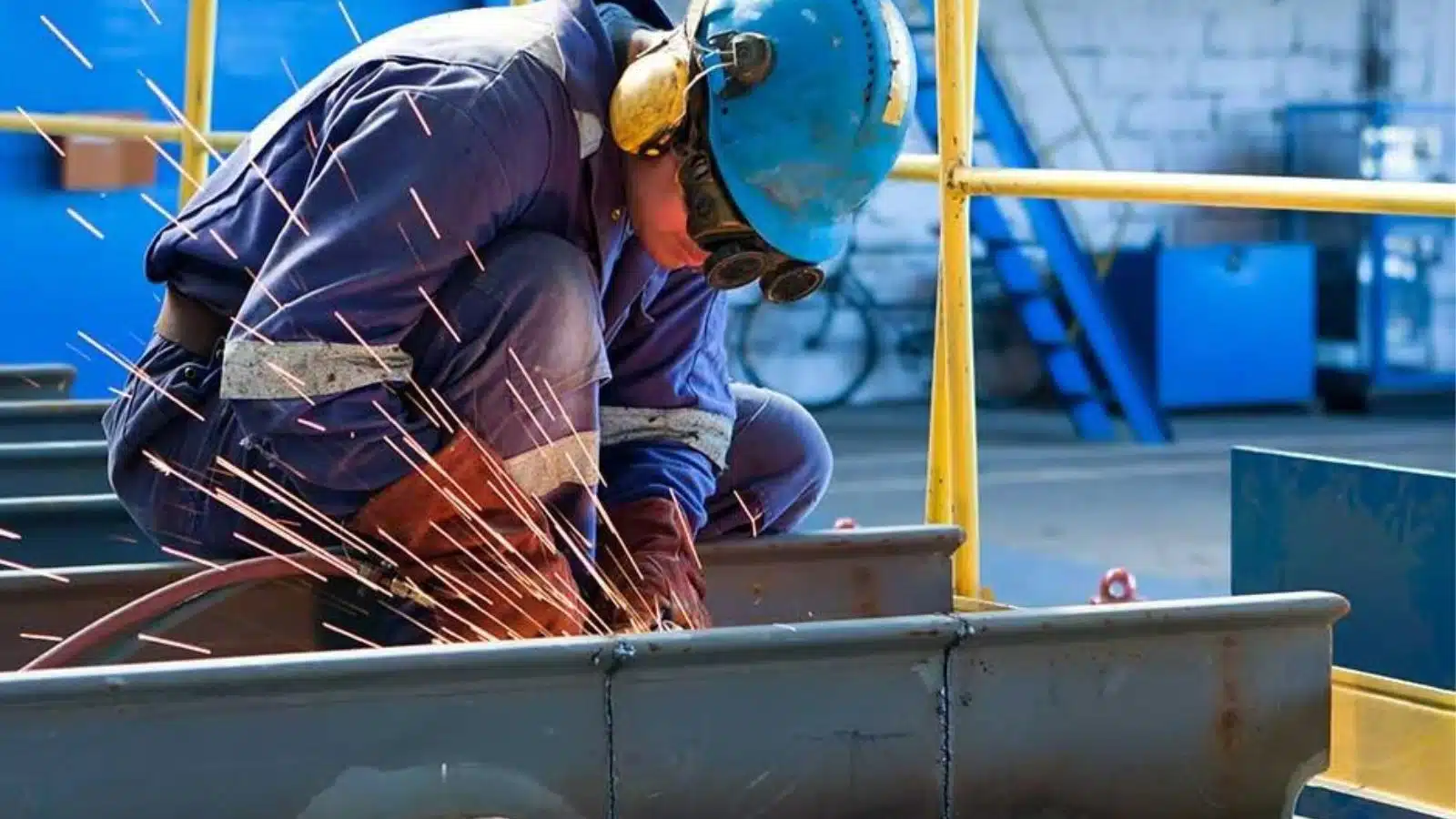
Top Industrial Steel Fabrication Company in Dammam Saudi Arabia
AskA Solution
We firmly believe that the internet should be available and accessible to anyone, and are committed to providing a website that is accessible to the widest possible audience, regardless of circumstance and ability.
To fulfill this, we aim to adhere as strictly as possible to the World Wide Web Consortium’s (W3C) Web Content Accessibility Guidelines 2.1 (WCAG 2.1) at the AA level. These guidelines explain how to make web content accessible to people with a wide array of disabilities. Complying with those guidelines helps us ensure that the website is accessible to all people: blind people, people with motor impairments, visual impairment, cognitive disabilities, and more.
This website utilizes various technologies that are meant to make it as accessible as possible at all times. We utilize an accessibility interface that allows persons with specific disabilities to adjust the website’s UI (user interface) and design it to their personal needs.
Additionally, the website utilizes an AI-based application that runs in the background and optimizes its accessibility level constantly. This application remediates the website’s HTML, adapts Its functionality and behavior for screen-readers used by the blind users, and for keyboard functions used by individuals with motor impairments.
If you’ve found a malfunction or have ideas for improvement, we’ll be happy to hear from you. You can reach out to the website’s operators by using the following email
Our website implements the ARIA attributes (Accessible Rich Internet Applications) technique, alongside various different behavioral changes, to ensure blind users visiting with screen-readers are able to read, comprehend, and enjoy the website’s functions. As soon as a user with a screen-reader enters your site, they immediately receive a prompt to enter the Screen-Reader Profile so they can browse and operate your site effectively. Here’s how our website covers some of the most important screen-reader requirements, alongside console screenshots of code examples:
Screen-reader optimization: we run a background process that learns the website’s components from top to bottom, to ensure ongoing compliance even when updating the website. In this process, we provide screen-readers with meaningful data using the ARIA set of attributes. For example, we provide accurate form labels; descriptions for actionable icons (social media icons, search icons, cart icons, etc.); validation guidance for form inputs; element roles such as buttons, menus, modal dialogues (popups), and others. Additionally, the background process scans all the website’s images and provides an accurate and meaningful image-object-recognition-based description as an ALT (alternate text) tag for images that are not described. It will also extract texts that are embedded within the image, using an OCR (optical character recognition) technology. To turn on screen-reader adjustments at any time, users need only to press the Alt+1 keyboard combination. Screen-reader users also get automatic announcements to turn the Screen-reader mode on as soon as they enter the website.
These adjustments are compatible with all popular screen readers, including JAWS and NVDA.
Keyboard navigation optimization: The background process also adjusts the website’s HTML, and adds various behaviors using JavaScript code to make the website operable by the keyboard. This includes the ability to navigate the website using the Tab and Shift+Tab keys, operate dropdowns with the arrow keys, close them with Esc, trigger buttons and links using the Enter key, navigate between radio and checkbox elements using the arrow keys, and fill them in with the Spacebar or Enter key.Additionally, keyboard users will find quick-navigation and content-skip menus, available at any time by clicking Alt+1, or as the first elements of the site while navigating with the keyboard. The background process also handles triggered popups by moving the keyboard focus towards them as soon as they appear, and not allow the focus drift outside it.
Users can also use shortcuts such as “M” (menus), “H” (headings), “F” (forms), “B” (buttons), and “G” (graphics) to jump to specific elements.
We aim to support the widest array of browsers and assistive technologies as possible, so our users can choose the best fitting tools for them, with as few limitations as possible. Therefore, we have worked very hard to be able to support all major systems that comprise over 95% of the user market share including Google Chrome, Mozilla Firefox, Apple Safari, Opera and Microsoft Edge, JAWS and NVDA (screen readers).
Despite our very best efforts to allow anybody to adjust the website to their needs. There may still be pages or sections that are not fully accessible, are in the process of becoming accessible, or are lacking an adequate technological solution to make them accessible. Still, we are continually improving our accessibility, adding, updating and improving its options and features, and developing and adopting new technologies. All this is meant to reach the optimal level of accessibility, following technological advancements. For any assistance, please reach out to
We have received your inquiry and our team will review your requested items and get back to you as soon as possible.