No products in the cart.
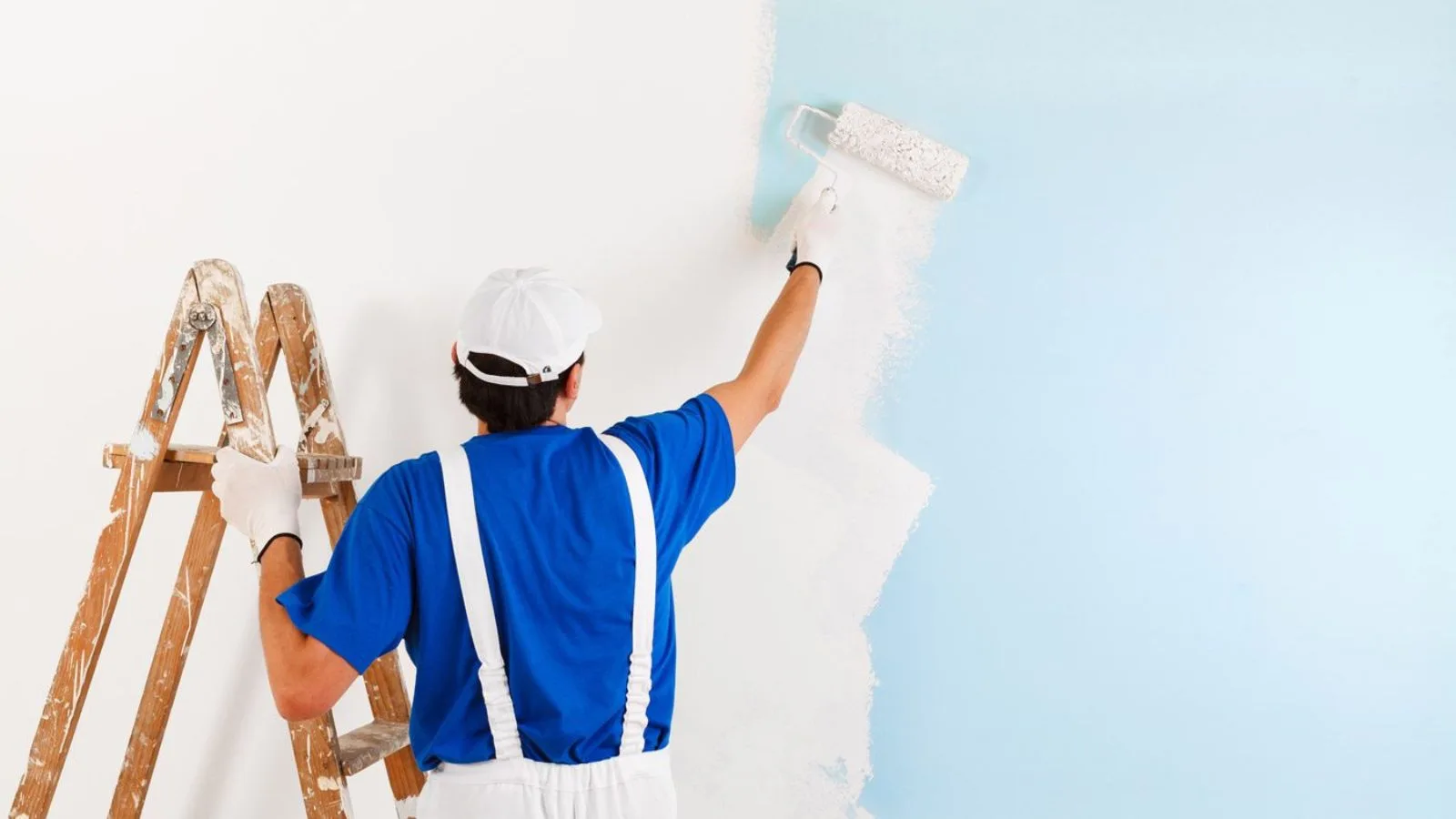
Painting Solution
The Best Industrial Painting ideas in Saudi Arabia
Industrial Painting ideas in Saudi Arabia: When it comes to giving your property a fresh...

+966 59 204 1946
No products in the cart.
Achieving a truly beautiful, streak-free paint job can feel like an elusive dream for many DIY enthusiasts and even some experienced painters. The frustration of stepping back to admire your freshly painted walls, only to spot unsightly streaks, lap marks, or uneven finishes, is all too common. At AskA Solution, we understand that painting isn’t just about applying color; it’s about crafting an atmosphere, enhancing your living space, and achieving a professional finish that brings pride and joy. This comprehensive guide is designed to equip you with the knowledge, techniques, and insider secrets necessary to banish streaks forever and achieve a flawless painting result every single time.
The desire for a perfectly painted room is universal. We spend countless hours picking out the ideal color, envisioning the transformation, and dedicating our precious time to the task. Yet, the reality often falls short, leaving us with a visual reminder of imperfections that detract from the overall aesthetic.
Imagine spending a weekend meticulously applying coat after coat, only to discover subtle lines, inconsistent sheen, or visible roller marks when the light hits the wall just right. This scenario is incredibly common and can be deeply frustrating. What was meant to be a rejuvenating project turns into a source of disappointment. Many believe they lack the inherent talent for painting, when in reality, it’s often a matter of missing crucial interior painting tips and specific techniques that differentiate a good job from a great one. Achieving a truly smooth wall finish requires understanding these nuances.
A home is more than just a structure; it’s a sanctuary, a reflection of personal style, and a backdrop for life’s most precious moments. A well-executed streak-free paint job contributes significantly to the overall ambiance, making a room feel cleaner, more spacious, and more inviting. Conversely, a poor paint job, characterized by streaks and unevenness, can create a sense of incompleteness or even sloppiness. This can subconsciously impact your mood and how you perceive your own space. We believe everyone deserves to feel absolute pride in their home’s appearance, right down to the last brushstroke.
At AskA Solution, our mission is to empower you with the expertise needed to tackle home improvement projects with confidence. We’ve distilled years of experience from our field engineers and painting experts into this easy-to-follow guide. We promise to demystify the process, revealing the precise steps and advanced paint roller technique and paint brush techniques that lead to a truly no streak painting outcome. By the end of this guide, you will possess the foundational knowledge for a professional paint finish, ready to transform your walls with unwavering skill.
Before we can eliminate streaks, we must first understand their origins. Streaks are not random occurrences; they are tell-tale signs of specific issues in paint application, preparation, or environmental conditions. Recognizing these causes is the first step toward preventing them.
Paint dries through a process of solvent evaporation and polymer coagulation. When paint is applied inconsistently – either too thickly, too thinly, or with uneven pressure – different sections of the wall will dry at different rates. Areas where paint is thinner or where the roller applied less pressure will dry faster, leading to a subtle difference in sheen and texture. This phenomenon is often exacerbated by rapid drying conditions, which don’t allow enough “open time” for the paint to level itself out seamlessly. This uneven drying is the primary culprit behind visible streaks and lap marks, hindering a truly smooth wall finish.
Many common mistakes contribute to streaky walls. One prevalent misconception is that more paint on the roller or brush equals better coverage. In reality, overloading tools leads to drips, runs, and inconsistent application. Another error is rushing the process, failing to allow adequate drying time between coats, or applying paint in improper patterns. Some believe that simply using high-quality paint guarantees a streak-free paint job, but even premium products require correct application techniques. Overlooking wall preparation for painting is another significant pitfall, as dirty or uneven surfaces will always show through the paint. We often encounter individuals who focus solely on the color, neglecting the importance of proper paint application techniques.
“We once had a dedicated homeowner, a client from the [year] fall season, who spent an entire long weekend meticulously painting their living room. Despite their best efforts and the use of seemingly good quality paint, they were heartbroken to discover prominent roller marks and streaks across every wall once the paint dried. The culprit, as we quickly identified during our consultation, was a combination of using the wrong roller nap for their semi-smooth walls and failing to maintain a ‘wet edge.’ We demonstrated how adjusting their paint roller technique to a consistent ‘W’ pattern, maintaining even pressure, and overlapping slightly while the paint was still wet could completely eliminate these issues. By explaining the ‘why’ behind each step, and not just the ‘how,’ they were able to repaint one wall using our methods. The transformation was remarkable, achieving a beautiful, no streak painting finish that they were incredibly proud of. This experience underscored for us the critical difference that proper technique makes in avoiding paint marks and achieving a professional outcome.”
A truly streak-free paint job begins long before the first drop of paint is applied. The quality of your preparation directly correlates with the quality of your finish. Neglecting this crucial stage is a surefire way to invite streaks, unevenness, and premature peeling.
Walls accumulate dust, dirt, grease, and grime over time. Painting directly over these contaminants is like trying to write on a dusty blackboard – the paint won’t adhere properly, leading to an uneven texture and potential peeling. Dust particles can also get trapped in the wet paint, creating small bumps and an undesirable finish. For a truly smooth wall finish, thorough cleaning is non-negotiable.
⚙️ Begin by wiping down your walls with a damp cloth or sponge, using a mild household cleaner or a TSP (trisodium phosphate) substitute solution for heavily soiled areas.
✅ Pay special attention to high-traffic zones, kitchen areas, and around light switches where grease and fingerprints are common.
💡 Ensure you rinse the walls thoroughly with clean water to remove any cleaner residue, as this can interfere with paint adhesion. Allow ample time for the walls to dry completely before proceeding.
Even clean walls can have imperfections like nail holes, cracks, or dents. Addressing these issues before painting is essential for a professional paint finish.
⚙️ Fill any holes or cracks with spackle or lightweight joint compound. For larger holes, mesh tape might be necessary before applying compound.
✅ Once dry, sand the patched areas smooth with fine-grit sandpaper (around 180-220 grit). The goal is to make the repair imperceptible to both the eye and touch.
💡 After sanding, wipe away all dust with a tack cloth or damp rag. Even fine dust can cause texture issues.
⚙️ Priming serves multiple critical functions: it seals porous surfaces, promotes adhesion, blocks stains, and ensures a uniform base color for your topcoats.
✅ Apply a high-quality primer, especially over newly repaired areas, dark colors you’re trying to cover, or if you’re switching from an oil-based to a water-based paint.
💡 A tinted primer (close to your finish color) can significantly improve coverage and reduce the number of topcoats needed, contributing to a more even, streak-free paint job. This is a vital step in wall preparation for painting.
Precise masking is key to achieving sharp, clean lines where walls meet trim, ceilings, or other surfaces. Sloppy taping leads to bleed-through and a messy appearance.
⚙️ Use high-quality painter’s tape designed for clean removal. Apply it in short, overlapping strips, pressing firmly along the entire edge to create a tight seal.
✅ Run a putty knife or your finger along the taped edge to fully seal it and prevent paint from seeping underneath.
💡 For the sharpest lines, consider “sealing” the tape by painting a thin coat of the original wall color or primer over the tape edge before applying your new paint. This fills any tiny gaps, and any bleed-through will match the existing color, making it invisible. This technique is invaluable for cutting in paint lines effectively.
You wouldn’t try to carve wood with a butter knife, so don’t attempt a streak-free paint job with subpar tools. The quality and type of your brushes, rollers, and paint have a profound impact on the final outcome. Investing wisely here will save you headaches and produce a far superior professional paint finish.
The “nap” refers to the thickness of the roller cover’s fibers. The right nap ensures even paint distribution and coverage, crucial for a smooth wall finish.
⚙️ Different wall textures require different roller naps. Using the wrong nap can lead to uneven coverage, excessive texture, or a lack of adhesion.
✅ For very smooth surfaces (like new drywall or plaster), a 1/4″ or 3/8″ nap is ideal for a fine finish.
💡 For lightly textured walls (common with orange peel or knockdown finishes), a 3/8″ or 1/2″ nap works best. Heavily textured surfaces (like stucco or popcorn ceilings) might require a 3/4″ or 1″ nap.
| Surface Type | Recommended Roller Nap (Thickness) | Ideal Finish | Notes on Application |
|---|---|---|---|
| Very Smooth (New Drywall, Plaster, Trim) | 1/4″ – 3/8″ (6mm – 10mm) | Ultra-smooth, almost spray-like smooth wall finish | Minimizes stippling, requires careful loading to avoid dry spots. Excellent for no streak painting. |
| Lightly Textured (Light Orange Peel, Previously Painted Walls) | 3/8″ – 1/2″ (10mm – 13mm) | Good balance of coverage and smoothness | Most versatile choice for typical interior walls. Essential for consistent paint roller technique. |
| Medium Textured (Medium Orange Peel, Knockdown) | 1/2″ – 3/4″ (13mm – 19mm) | Fills texture effectively, provides good coverage | Helps achieve uniform coverage on varied surfaces. Contributes to proper paint application. |
| Heavily Textured (Stucco, Popcorn Ceiling, Masonry) | 3/4″ – 1″ (19mm – 25mm) | Maximum paint delivery, fills deep texture | Designed to penetrate uneven surfaces. May leave more stippling. |
Brushes are indispensable for cutting in paint lines, edges, corners, and detail work that rollers can’t reach. Different brush types excel at different tasks.
⚙️ For latex (water-based) paints, synthetic brushes (nylon, polyester) are ideal because they hold their shape and release paint smoothly.
✅ For oil-based paints, natural bristle brushes are preferred as they absorb and release oil paint effectively.
💡 Choose angled brushes (2-3 inches wide) for cutting in paint lines along ceilings, trim, and corners, as the angle provides greater control. Flat brushes are good for broader strokes on flat surfaces or trim. Mastering paint brush techniques is crucial for detail work.
The quality of your paint and primer makes a significant difference. Don’t skimp here; high-quality products offer better coverage, durability, and a more forgiving application, making it easier to achieve a streak-free paint job.
⚙️ Opt for premium-grade paints. They typically have a higher solids content, meaning better hiding power and fewer coats needed. They also often contain leveling agents that help the paint dry to a smoother finish, actively avoiding paint marks.
✅ Select the appropriate sheen for your area:
Flat/Matte: Hides imperfections, low reflectivity, often used for ceilings or low-traffic areas.
Eggshell/Satin: Durable, easy to clean, slight sheen, popular for walls in living rooms and bedrooms.
Semi-Gloss/Gloss: Very durable, highly reflective, ideal for trim, doors, and high-moisture areas like bathrooms and kitchens.
💡 Always use a high-quality primer that is compatible with your chosen paint type and formulated for your specific surface. This ensures optimal adhesion and contributes directly to a no streak painting outcome.
This is where the magic happens. Even with the best preparation and tools, improper application techniques will lead to streaks. Mastering these methods is the cornerstone of a professional paint finish.
This technique ensures even coverage and helps blend sections seamlessly, critical for avoiding paint marks and achieving a streak-free paint job.
⚙️ Dip your roller into the paint tray, rolling it back and forth on the ribbed section to evenly distribute paint over the entire nap. Avoid oversaturating; the roller should be wet but not dripping.
✅ The goal is to get a consistent, even coat of paint across the entire roller surface, ready for a flawless paint roller technique.
⚙️ Start by rolling a vertical strip about two feet from a corner. Then, without lifting the roller, move diagonally up and then down, forming a “W” or “M” shape.
✅ Fill in the “W” or “M” by rolling back and forth within that section, overlapping each stroke slightly. Maintain consistent pressure.
💡 Always finish a section by rolling lightly from top to bottom, feathering out any heavy edges. This consistent direction helps blend the paint and prevent lap marks. This is a fundamental proper paint application method.
This principle is perhaps the most crucial for preventing streaks and lap marks. It’s about ensuring that the paint you’re applying always meets paint that is still wet, allowing it to blend smoothly.
⚙️ Work in manageable sections (about 2-3 feet wide) and move quickly but deliberately.
✅ As you move from one section to the next, overlap your previous wet section by about half a roller width. This allows the new paint to seamlessly integrate with the still-wet paint, preventing visible lines.
💡 If paint starts to dry before you can blend it, do not go back over it with a roller. This will create texture differences and exacerbate streaks. Instead, let it dry completely and plan for a second coat to correct. This strategy is key to a streak-free paint job and truly no streak painting.
Cutting in paint lines requires a steady hand and excellent paint brush techniques. It’s done before* rolling the main wall sections.
⚙️ Dip about one-third of your brush bristles into the paint. Tap off excess paint on the side of the can, do not wipe it on the rim like a paintbrush.
✅ Start about an inch or two away from the edge you’re cutting in against. Apply the paint in a controlled motion, then slowly move the brush toward the edge, letting the bristles fan out slightly to create a clean line.
💡 Use long, smooth strokes. Once you’ve established your line, you can blend the cut-in area into the wall by brushing a wider swath outwards. Don’t overload the brush; several lighter coats are better than one heavy, drippy one. For ceiling lines, paint approximately 3-4 inches down from the ceiling line to give your roller room to blend without hitting the ceiling.
“The secret to perfectly straight cut-in lines isn’t just a steady hand; it’s about proper brush loading and knowing when to ‘feather’ your strokes. Don’t press too hard, let the brush do the work, and always work towards the trim, not away from it.” – Maria Sanchez, Master Painter Instructor
Once the paint is on the walls, your job isn’t quite finished. How the paint dries and cures plays a critical role in the durability and final appearance of your smooth wall finish. Rushing this stage can undermine all your careful work.
Paint typically has two important drying times: “dry to touch” and “recoat time.” “Dry to touch” means the surface won’t transfer paint when gently touched. “Recoat time” is the minimum time you should wait before applying the next coat.
⚙️ Always refer to the manufacturer’s instructions on the paint can for specific recoat times. These can vary significantly between different paint types and brands.
✅ Applying a second coat too soon can reactivate the first coat, leading to streaks, uneven texture, and poor adhesion.
💡 Generally, interior latex paints require 2-4 hours between coats. For darker colors or in humid conditions, extending this time can be beneficial for a truly streak-free paint job.
The ambient conditions in your room heavily influence how paint dries. Ideal conditions promote smooth, even drying, which helps in avoiding paint marks.
⚙️ Aim for a room temperature between 65-75°F (18-24°C) and moderate humidity (around 50-70%).
✅ Avoid painting in extreme heat or cold, as this can cause paint to dry too quickly or too slowly, respectively, leading to problems like brush marks, poor leveling, or sagging.
💡 Ensure good ventilation by opening windows or using fans (but don’t aim fans directly at freshly painted walls, as this can cause rapid, uneven drying). Good air circulation helps remove solvents and promotes an even dry. This supports a no streak painting result.
While paint may feel dry to the touch within hours, it takes much longer to fully cure and reach its maximum hardness and durability.
⚙️ Most paints take several days, sometimes even weeks, to fully cure. During this period, the paint film is still somewhat vulnerable.
✅ Avoid scrubbing or aggressively cleaning newly painted walls until they have fully cured. Gentle dusting is usually fine.
💡 Be mindful of placing furniture or hanging pictures against freshly painted walls. If necessary, use felt pads on furniture legs to prevent marring the surface. This final patience ensures your professional paint finish lasts.
Even with the best intentions, errors can occur. Anticipating these common problems and knowing how to address them is crucial for maintaining a streak-free paint job. This troubleshooting section offers practical interior painting tips to keep your project on track.
Lap marks are those visible lines or streaks where one section of paint overlaps another that has already begun to dry. They are a primary obstacle to a smooth wall finish.
Drips and runs are unsightly and indicate too much paint was applied or collected in one spot. This detracts significantly from any attempt at a flawless painting.
Sometimes, what appears to be a streak or an uneven finish is simply paint that hasn’t fully dried or cured.
The effort you put into following these detailed interior painting tips will culminate in a truly transformative result. Beyond the technical achievement, there’s a profound sense of satisfaction that comes with a beautifully painted room.
There’s nothing quite like the feeling of stepping back into a room and seeing crisp, clean lines and a flawlessly painted surface. The absence of streaks, the uniformity of color, and the smooth wall finish contribute to a refined aesthetic that speaks volumes about the care and attention to detail you invested. This visual reward makes every step of preparation and precise application worthwhile, elevating your space from ordinary to exceptional. It’s the ultimate validation of your successful streak-free paint job.
A fresh, no streak painting enhances more than just the visual appeal of a room; it profoundly affects its atmosphere and, by extension, your mood. A poorly painted room can feel unfinished, neglected, or even stressful. In contrast, a beautifully painted space feels clean, harmonious, and inviting. It can inspire a sense of calm, boost productivity, or simply make coming home a more joyful experience. We often hear from clients how a professional paint finish transformed not just their walls, but their entire outlook on a particular room.
Our operational presence spans countless homes and businesses, and our field engineering team frequently observes the meticulous care that homeowners put into their properties. “When our field engineering team tackles an HVAC or electrical issue on-site,” notes one of our lead engineers from the [year] service deployments, “they often find beautifully maintained interiors, which speaks volumes about the care homeowners put into their spaces. A perfect paint job is a significant part of that.” This observation underscores that a flawless painting job isn’t just about aesthetics; it’s a testament to pride of ownership and a fundamental element of a well-cared-for home. Achieving a streak-free paint job contributes directly to this overall impression of excellence.
You’ve embarked on a journey to master the art of painting, moving beyond common frustrations to embrace techniques that yield truly professional results. This guide has equipped you with comprehensive interior painting tips and strategies.
You now understand that a streak-free paint job is not a matter of luck, but the result of meticulous preparation, informed tool selection, and precise application techniques. You’ve learned the importance of wall preparation for painting, the nuances of paint roller technique and paint brush techniques, the art of cutting in paint lines, and how to ensure proper paint application to prevent avoiding paint marks. These insights are the foundation of no streak painting and a lasting smooth wall finish.
By diligently applying the principles outlined here, you’ve not only painted walls but have also created a flawless painting experience. You’ve transformed your space with a professional paint finish that stands up to scrutiny, reflecting your attention to detail and newly acquired expertise. We are confident that your future painting projects will be marked by success and satisfaction.
A1: Dark colors are indeed more prone to showing streaks due to higher pigment load and often requiring more precise application. The key is meticulous wall preparation for painting, using a high-quality, tinted primer (tinted to a similar shade as your topcoat), and applying thin, even coats. Maintaining a consistent “wet edge” is absolutely critical with dark colors. Avoid going back over partially dried areas at all costs. Often, a third thin coat, applied with precision using proper paint roller technique, can eliminate any lingering streaks.
A2: One of the biggest mistakes is skipping or rushing the wall preparation for painting phase. This includes inadequate cleaning, not patching and sanding imperfections smooth, and failing to prime correctly. Any flaw on the wall’s surface will be magnified once paint is applied, preventing a truly smooth wall finish regardless of how well the paint is applied. Another common error is overloading the roller or brush, which leads to drips, runs, and uneven coverage, making avoiding paint marks much harder.
A3: The choice of sheen significantly impacts the appearance and durability of your professional paint finish. For general walls in living areas and bedrooms, eggshell or satin finishes are popular as they offer a subtle sheen, are durable, and are relatively easy to clean. For ceilings, a flat or matte finish is usually preferred as it hides imperfections and minimizes glare. For high-traffic areas, trim, doors, or bathrooms where durability and washability are paramount, semi-gloss or gloss finishes are ideal. Consider the light in the room, as higher sheens reflect more light and can highlight wall imperfections.
A4: Visible roller marks, or “stippling,” can be due to using a roller nap that’s too thick for your wall’s texture, applying too much pressure, or paint drying too quickly. To fix this for a no streak painting result, ensure you’re using the correct roller nap (refer to our table in the guide). For the next coat, try loading your roller more evenly, applying slightly less pressure, and maintaining a consistent “wet edge” to allow paint to flow and level. If the stippling is severe, a light sanding with fine-grit sandpaper (e.g., 220-grit) after the paint has fully dried, followed by a final, carefully applied coat, can help achieve a smoother surface.
A5: While experienced professionals might freehand cutting in paint lines with impressive precision, for the average homeowner aiming for a flawless painting job, painter’s tape is highly recommended. It acts as a safety net, allowing you to achieve sharper, cleaner lines without the risk of accidentally painting onto trim or ceilings. The small investment in time for proper taping (and sealing the tape edge) is far less than the time and frustration involved in correcting mistakes. It’s a key step in ensuring a truly streak-free paint job.
Don’t forget to share it
Related Articles
The Best Industrial Painting ideas in Saudi Arabia
Stunning Building Painting Designs and Color Trends in Saudi Arabia

Commercial and Industrial Painting Contractor in Saudi Arabia

A Complete Guide to Evolis YMCKO Ribbons – Part # R5F202M100

Top Surface Cleaning & Preparation Methods for Industrial Projects

The Hidden Power of Surface Preparation in Construction and Industry
We have received your inquiry and our team will review your requested items and get back to you as soon as possible.